Hoffman EV Turns Used Teslas Into Modular Badger Vans
Wisconsin's Hoffman EV showed an 11-seat Badger built from a used Tesla. It plans finished vehicles and conversion kits for buyers seeking a flexible electric van.

The short answer: Hoffman EV's Badger is a modular vehicle built around parts from a used Tesla Model 3 or Model Y. According to Not a Tesla App, sales are planned for 2027, with finished vehicles and kits expected to cost between $26,000 and $77,000.
Wisconsin company Hoffman EV has shown the Badger, a modular electric vehicle built using parts from a used Tesla Model 3 or Model Y. The version displayed at the SEMA show in Las Vegas was presented as an 11-seat bus, but its removable body parts and seats are intended to support other uses. For buyers seeking an electric van or work vehicle, the concept is a way to turn an existing Tesla into a different kind of vehicle, according to Not a Tesla App.
Hoffman EV plans to sell both finished Badgers and kits for customers who bring their own donor Tesla, Not a Tesla App reports. The outlet says pricing is expected to fall between $26,000 and $77,000, with sales planned for 2027. Those are expected prices, rather than a breakdown by configuration or purchase method. Final details are still to come before sales begin.
How Hoffman builds the Badger
According to Not a Tesla App, Hoffman removes hardware and software from a donor Model 3 or Model Y and installs them in its own aluminum chassis. The reused components include the motors, battery, seats, steering wheel, center screen, wireless chargers, and door handles. That approach makes the donor car central to the conversion: the Badger's propulsion system and much of its familiar cabin equipment come from the Tesla, while Hoffman supplies the chassis and body that give it a different shape and purpose.
The SEMA vehicle has flat, angular body panels, pronounced wheel arches, and a large upright windshield, Not a Tesla App reports. Its cabin retains recognizable Model 3 elements, while a Tesla charge port is visible on a rear quarter panel. The outlet says the battery sits about 1.5 inches higher than it did in the original car and that the Badger has eight inches of ground clearance. Those details describe the displayed conversion; Hoffman has not published a Badger driving range.
Keeping Tesla components also preserves functions that would matter to a buyer planning longer trips. According to Not a Tesla App, the prototype was driven from Wisconsin to Las Vegas and charged at Tesla Superchargers on the way. The outlet attributes reports that Autopilot and Full Self-Driving features still work to Out of Spec Studios' Kyle Conner. Those reports concern the vehicle shown at SEMA; they do not establish how every future Badger or customer-built kit will function.
One vehicle, several proposed uses
The Badger on display was advertised as an 11-seat bus, according to Not a Tesla App. Its doors, roof, and most of its seats can be removed. At the back, the vehicle has a drop-down tailgate, a spare tire, and a hitch receiver. The removable parts are central to Hoffman's plan: an enclosed passenger vehicle could be changed for a different task without starting with another donor car.
Hoffman's SEMA display showed proposed configurations ranging from delivery vans and pickups with livestock beds to a pop-top camper and safari-style shuttle, Not a Tesla App reports. Other concepts included a snow plow and a convertible, along with versions shown towing a boat or carrying an ATV. These are examples of the uses Hoffman is exploring. The report does not establish that each configuration will be available when sales start or specify how much any one of them will cost.
The breadth of those concepts helps explain why Hoffman chose a modular design. A delivery van needs enclosed cargo space; a passenger shuttle needs seats; a pickup needs an open bed. Removable doors, roof sections, and seats give Hoffman a way to present those different layouts around the same underlying idea. Buyers will still need final configuration details to know which version fits their intended use.
What buyers can expect next
Not a Tesla App reports that customers will be able to purchase a finished Badger or buy a kit with a VIN and bring their own Model 3 or Model Y donor. The distinction matters when considering the expected $26,000 to $77,000 price range: the outlet does not assign a price to either purchase route or say which configurations fall at either end. A buyer considering a kit would also need to account for the donor vehicle, but no donor-car cost is included in the reported figures.
Hoffman says it can build about 100 Badgers a year for now, according to Not a Tesla App. At that scale, the immediate plan is a small-volume conversion business with several possible body styles. The outlet also reports that Hoffman plans better aerodynamics for early 2027. It gives no range, energy-use, or charging-time figure for the Badger, so there is no published basis for estimating how the new body or the planned aerodynamic changes will affect a trip.
The donor choice is significant for the same reason. A Model 3 is a sedan and a Model Y is an SUV, but Hoffman uses either as the source of components for a vehicle with a substantially different body. U.S. EPA ratings for the 2027 Model 3 include 321 miles for the RWD trim and 346 miles for the Premium AWD trim. Those are EPA ratings for the original sedans, not range ratings for a Badger made from one. The prototype's drive to Las Vegas demonstrates that it charged along that route, according to Not a Tesla App, but it does not give buyers a rated Badger range.
Why a Tesla-based van stands out
Hoffman is based in Madison, Wisconsin, and has previously converted classic cars to electric power, according to Not a Tesla App. The Badger applies that conversion experience in a different direction. Instead of putting an electric drivetrain into an older car, Hoffman starts with a used electric car and gives its components a new body designed for passenger, cargo, or recreational uses.
The project also addresses a gap in Tesla's current vehicle range. According to Not a Tesla App, Tesla revealed a 20-seat Robovan alongside the Cybercab in 2024 but has not announced a timeline for the Robovan. The outlet also reports that Elon Musk teased a family vehicle earlier in 2026 without unveiling one. Hoffman's 11-seat SEMA vehicle is a separate company's conversion project, with its own sales plan and production capacity.
For now, the clearest picture of the Badger is the SEMA prototype: it uses Tesla components, has charged at Superchargers on a cross-country drive, and demonstrates a removable body and seating layout, according to Not a Tesla App. Hoffman plans to share final details ahead of sales in 2027. Buyers will need those details to assess the finished configurations, kit pricing, and driving range of the vehicle they could actually order.
Frequently asked questions
What is the Hoffman EV Badger?
It is a modular electric vehicle that uses hardware and software from a donor Tesla Model 3 or Model Y in a Hoffman EV aluminum chassis, according to Not a Tesla App.
How many people can the Badger seat?
The version shown at SEMA was advertised as an 11-seat bus, according to Not a Tesla App. Most of its seats can be removed.
Can the Badger use Tesla Superchargers?
The prototype charged at Superchargers during a drive from Wisconsin to Las Vegas, according to Not a Tesla App.
When will the Badger go on sale, and what will it cost?
Not a Tesla App reports that sales are planned for 2027 and that prices are expected to range from $26,000 to $77,000. Prices for individual configurations have not been published.
What is the Badger's driving range?
A Badger driving range has not been published. EPA ratings for donor Model 3 or Model Y vehicles are not ratings for the converted Badger.
Related stories
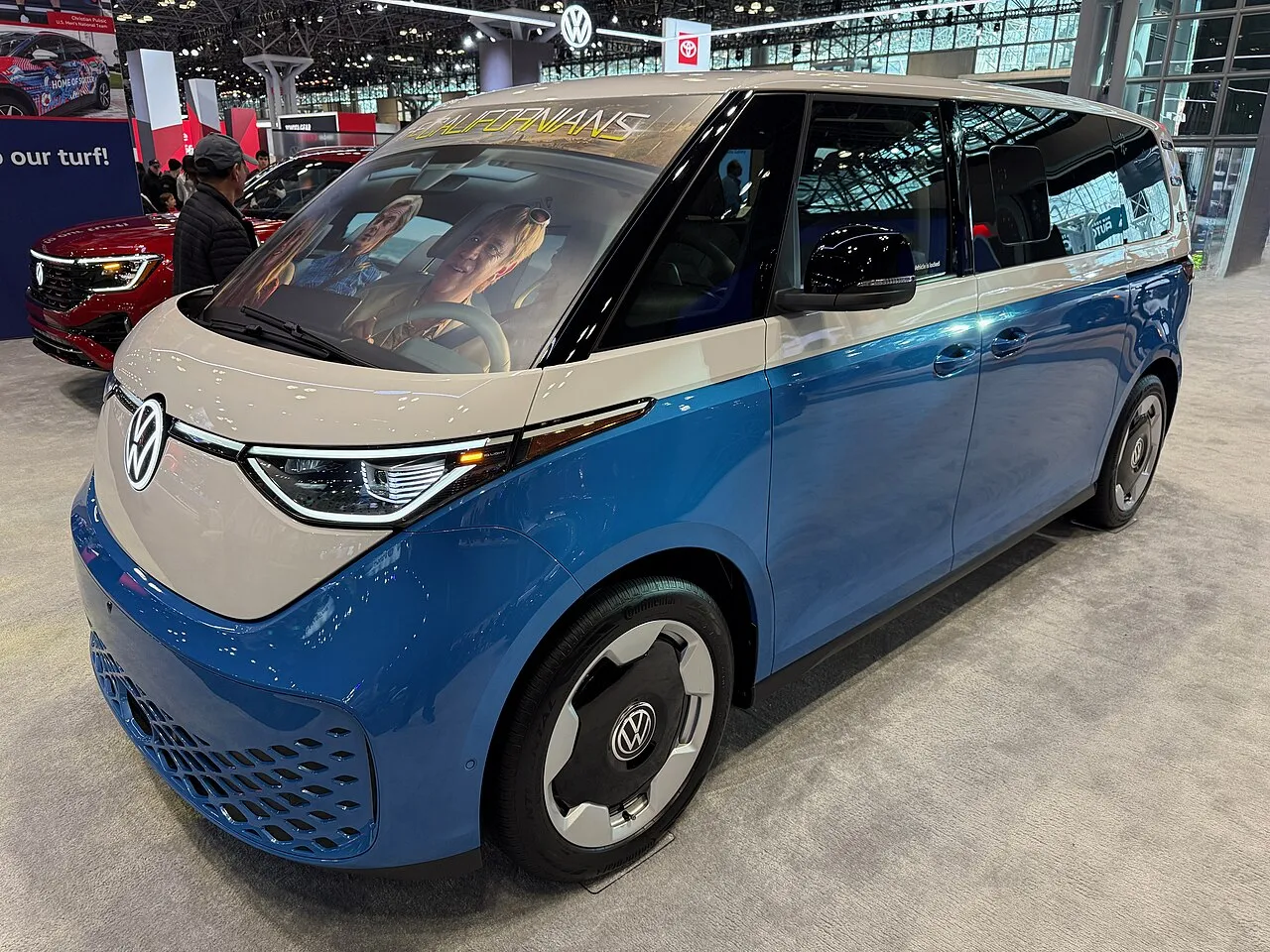
How the Volkswagen ID. Buzz Works for Everyday Use
The ID. Buzz pairs a van-like cabin with an electric drivetrain. Here is how its layout can shape passenger access, parking, cargo use and daily trips.
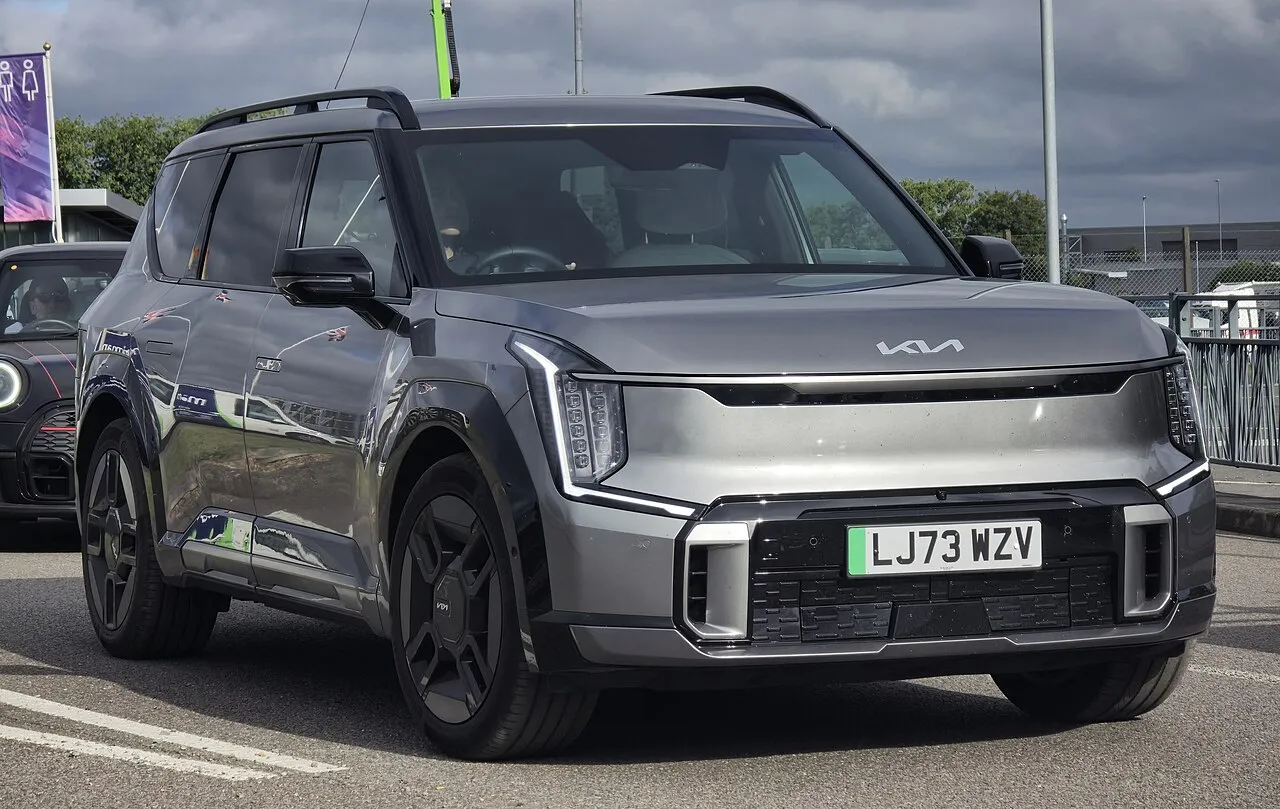
Kia EV9 vs. Volkswagen ID. Buzz: Which Fits a Large Family?
The EV9 offers three rows in an SUV, while the ID. Buzz brings minivan-style access. Compare family seating, cargo flexibility and published range.
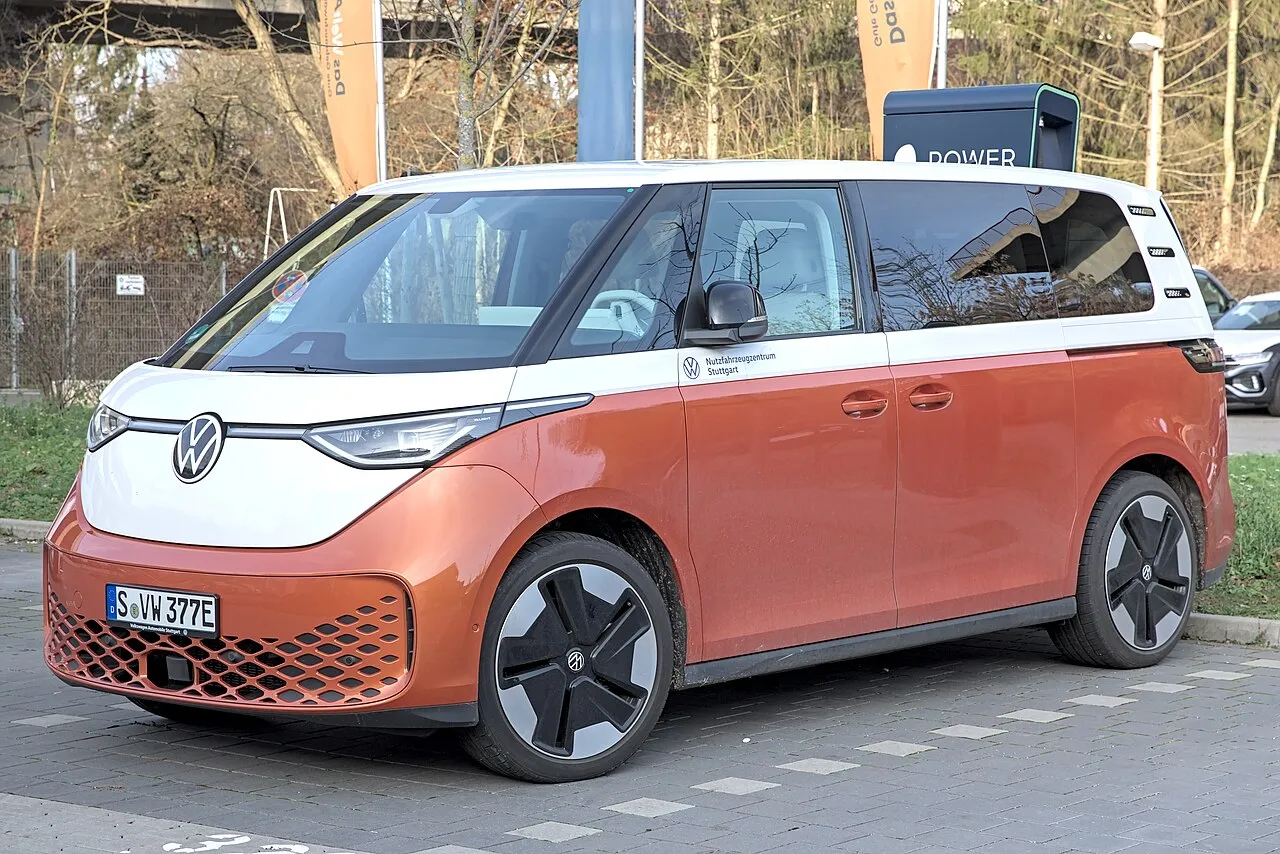
Volkswagen Starts Long-Wheelbase ID. Buzz Cargo Production
Volkswagen has begun building a longer ID. Buzz Cargo in Hanover, adding cargo space, all-wheel drive and greater towing capacity for commercial buyers.