Germany’s Electric Car Share Reaches 37% in October
Battery-electric cars captured 37% of German new-car registrations in October, beating gasoline and diesel combined as a buyer incentive helped lift demand.

The short answer: Battery-electric cars accounted for a record 37% of Germany’s new-car registrations in October, according to Electrek. Their 94,086 registrations exceeded gasoline and diesel registrations combined for the second straight month.
Battery-electric cars reached a record 37% of Germany’s new-car market in October, with 94,086 registrations, according to Electrek’s report on figures from the country’s federal motor vehicle authority, the KBA. For the second consecutive month, buyers registered more fully electric cars than gasoline and diesel cars combined. The result puts EVs ahead of conventional combustion cars in a large European market and takes Germany past an industry forecast for the entire year with two months still to go.
Electric registrations rose 79.5% from 52,425 in October a year earlier, Electrek reported. The overall market increased just 1.7% to 254,492 new cars. That gap matters: EV growth was much faster than growth in the market as a whole, while registrations of both gasoline and diesel cars fell sharply. The monthly figures show how quickly the mix of new cars bought in Germany is changing, even though they do not say how many electric cars are already on German roads.
Electric cars pull ahead of gasoline and diesel
According to Electrek, Germany registered 38,516 gasoline cars in October, down 40.5% from a year earlier, and 23,882 diesel cars, down 21.6%. Together, those two categories totaled 62,398 registrations, well below the 94,086 battery-electric cars registered during the month. Gasoline accounted for 15.1% of the new-car market and diesel for 9.4%, giving them a combined 24.5% share. Battery-electric cars alone were 12.5 percentage points ahead.
Plug-in hybrids added another 28,499 registrations, according to Electrek, though that was a 7.9% decline from the prior October. They took 11.2% of the market. Counting battery-electric cars and plug-in hybrids together brings plug-in vehicles to about 48% of new registrations for the month. That combined figure covers two different kinds of vehicles: battery-electric cars run on electricity alone, while plug-in hybrids are a separate registration category. The distinction is central to the October result because fully electric cars surpassed gasoline and diesel even without the plug-in hybrid total.
Electrek also reported that average CO2 emissions for newly registered cars fell 21.1% year over year to 79.4 grams per kilometer. That figure describes the new cars entering the market in October, alongside the shift in registrations toward battery-electric models. It is a separate measure from EV market share; the registration totals show what buyers chose, while the emissions figure describes the average for the month’s newly registered cars.
The rise has extended across several months. Electrek reported that battery-electric cars became Germany’s most popular powertrain in June, when they took a 28.4% share. Their share reached 32.4% in August and 34.5% in September before climbing to 37% in October. The successive monthly figures show that October followed an established rise in EV share, rather than standing alone as an unusually strong month.
Germany passes its full-year EV forecast early
Through October, Germany registered 698,230 battery-electric cars, up 60.7% from the same period a year earlier, according to Electrek. They represented about 28.2% of the 2,476,290 new cars registered so far in 2026. Electrek put battery-electric cars at roughly 19% of Germany’s market for the full year 2025. The year-to-date share is lower than October’s 37% because it includes the earlier months, before the recent run of higher monthly shares.
In December, Germany’s auto industry association, the VDA, forecast about 693,000 battery-electric registrations for all of 2026, Electrek reported. The 698,230 recorded through October have already exceeded that figure. Electrek estimates that registrations could reach around 875,000 by year-end if the current pace holds. That estimate depends on November and December sales; the count through October is the recorded result.
Electrek identifies Germany’s new EV incentive as a major factor in the increase. It applies retroactively to qualifying cars registered since January 1 and pays €3,000 toward a new battery-electric car bought or leased. The amount can reach €6,000 for lower-income households with children. Households with taxable income above €80,000, or €90,000 with children, do not qualify. Those limits make eligibility an important part of the incentive for a prospective buyer; the maximum amount does not apply to every household.
The program targets private buyers, and Electrek reported a 20.6% rise in private registrations in October. Commercial registrations fell 8.2%, while private buyers accounted for 40.7% of the overall market. Those figures are consistent with stronger activity among the buyers the program aims to reach, although the registration totals alone do not establish how many purchases the incentive caused. Germany previously ended an EV incentive in December 2023, after which battery-electric sales declined in 2024, according to Electrek.
Brand results show a more complicated market
Rapid EV growth does not translate into the same result for every automaker. Electrek reported 2,932 Tesla registrations across the brand in October, up 290.9% from a small year-earlier base and equal to a 1.2% share of all new-car registrations. That was far below Tesla’s 12,552 registrations in September. Electrek described Tesla’s monthly swings in the context of its quarterly delivery cycle and reported that the Model Y was Germany’s best-selling car in September.
For the first ten months of the year, Tesla recorded 47,742 German registrations, up 206.1%, according to Electrek. BYD was slightly ahead at 47,961, up 216.1%, after registering 5,173 cars in October. The comparison is between brands’ total registrations, not their battery-electric registrations alone: Electrek reported that most of BYD’s German sales are plug-in hybrids. It therefore cannot be read as a ranking of Tesla and BYD solely within Germany’s fully electric market.
Other Chinese brands also gained ground in October. Electrek reported 3,661 registrations for Leapmotor, up 288.6%, and 19,705 for the year so far. Xpeng registered 1,380 cars during the month, up 284.4%, while SAIC’s MG registered 4,140, up 48.5%. These brand figures cover their reported registrations in Germany; they do not break out each brand’s October battery-electric share.
Volkswagen Group models still feature prominently in the EV rankings cited by Electrek. Through September, the Skoda Elroq led Germany’s electric models with 30,845 registrations, followed by the Tesla Model Y at 29,464 and the Volkswagen ID.3 at 24,352. That ranking ends in September, a month before the October market totals. It shows which individual EVs had accumulated the most registrations at that point, while the October brand figures describe a different period and include cars across a brand’s lineup.
Volkswagen remained Germany’s largest brand overall with an 18.2% market share, according to Electrek, even as its October registrations fell 4%. Electrek also reported declines of 8.4% for Audi, 5.7% for Porsche and 24.1% for Opel. BMW was nearly unchanged, up 0.1%, while Mercedes rose 8.5%. These mixed results show why a record month for EVs should not be treated as a record month for every German automaker.
What the next two months will show
The immediate question is how much of October’s momentum carries through November and December. Germany has already passed the VDA’s full-year battery-electric forecast, but the final total and full-year market share remain to be determined. Continued monthly registration reports will also show whether fully electric cars keep their lead over gasoline and diesel combined, and whether the increase among private buyers persists under the new incentive.
For buyers, the October figures show a market with a growing share of fully electric registrations and a cash incentive whose value depends on household eligibility. For the industry, they show strong demand alongside uneven brand results. Germany’s final 2026 registration count will put a firmer number on the year’s EV growth; October has already established that the earlier industry forecast was too low.
Frequently asked questions
What share of German new-car registrations were electric in October?
Battery-electric cars accounted for a record 37%, or 94,086 registrations, according to Electrek.
Did electric cars outsell gasoline and diesel cars combined?
Yes. Germany registered 94,086 battery-electric cars, compared with a combined 62,398 gasoline and diesel cars, according to Electrek.
How much is Germany’s new EV incentive?
Electrek reported €3,000 for a qualifying new battery-electric car bought or leased, rising to as much as €6,000 for lower-income households with children. Income limits apply.
Has Germany exceeded its 2026 EV forecast?
Yes. Electrek reported 698,230 battery-electric registrations through October, above the VDA’s forecast of about 693,000 for the full year.
Related stories
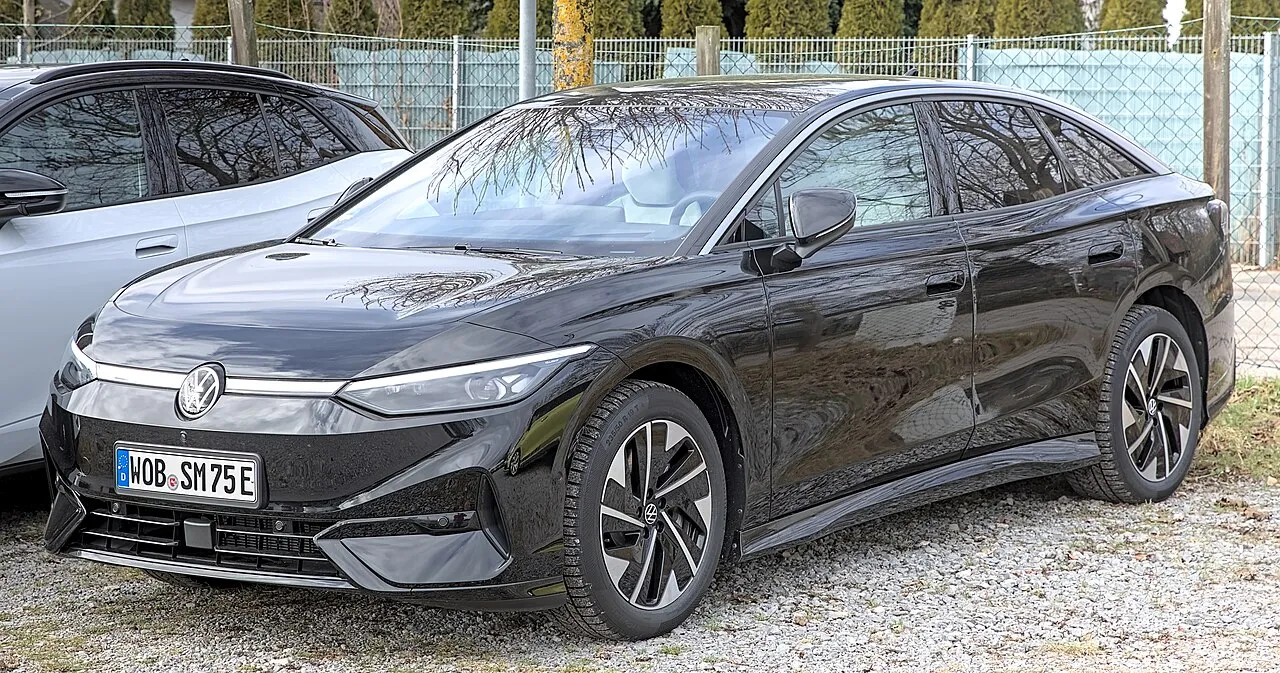
Volkswagen Opens German Orders for ID. Cross R-Line
Volkswagen has opened German orders for the ID. Cross R-Line, with a 314-km WLTP entry version and a 428-km flagship due to follow in 2027.
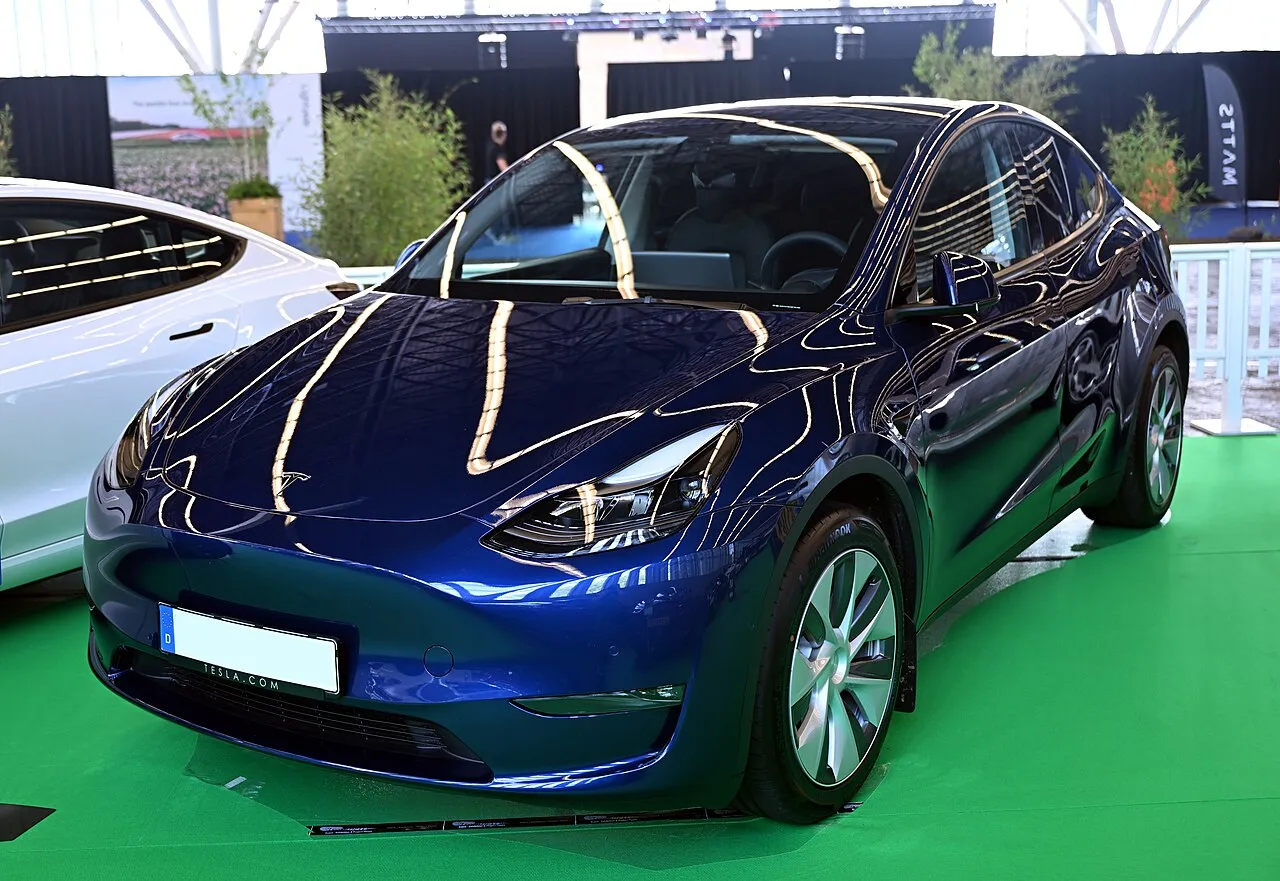
Tesla Forms German Company at EMAG Headquarters Amid Robot Push
Tesla has registered a company at German machine maker EMAG’s headquarters as reports point to a possible deal involving workers and Optimus production.

Xiaomi Car and AI Division Loss Widens as Revenue Falls
Xiaomi’s car and AI division lost 3.4 billion yuan in Q3 as car revenue fell 19.9%. New range-extended SUVs led sales in their first full month.