Can Someone Clone Your EV Charging RFID Access Card?
An EV charging card’s readable ID is not proof of secure authentication. Learn what copying an identifier can mean and how charging networks control access.
Charging standards, home charging, public networks, speeds and costs — what drivers need to know.
An EV charging card’s readable ID is not proof of secure authentication. Learn what copying an identifier can mean and how charging networks control access.
A phone without service can still make a card payment at an EV charger. A disconnected payment terminal faces different limits on approving the transaction.
Opening a public fast-charging site takes utility coordination, electrical equipment and commissioning to turn a grid connection into working chargers.
EPA and WLTP electric-car consumption ratings account for charging losses. Learn what their energy figures measure and why dashboard readings can differ.
A charging curve shows how an EV accepts power, but temperature, software and charger limits must be separated before judging its battery's condition.
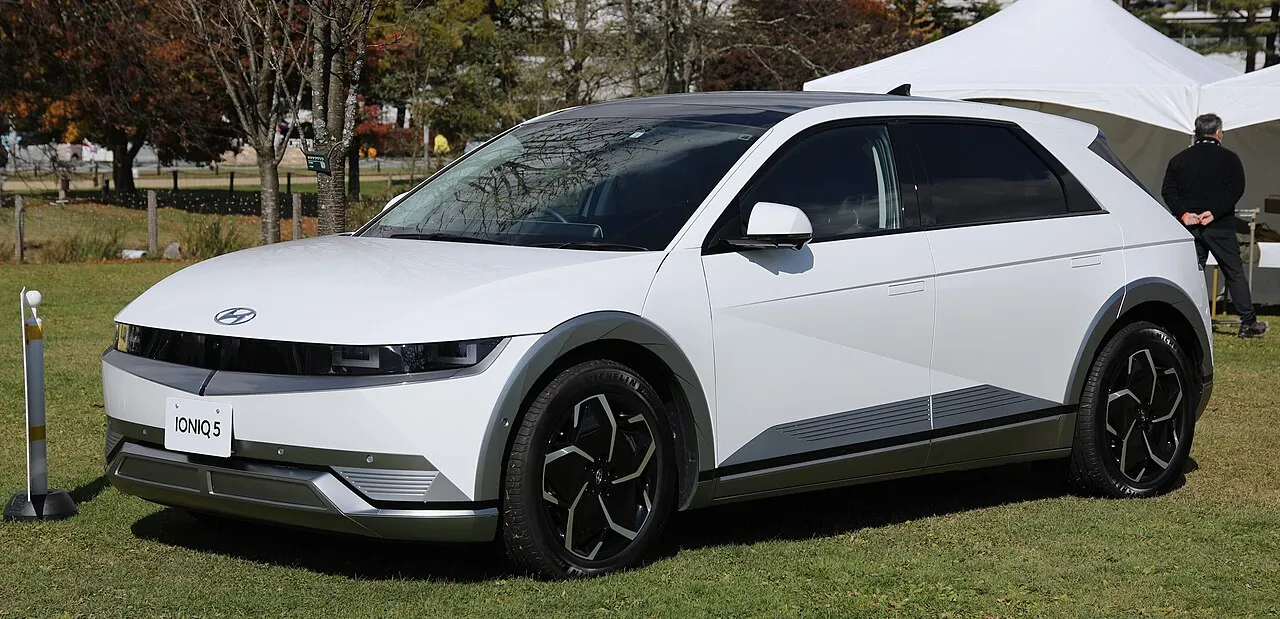
The Hyundai IONIQ 5 uses its motor and inverter to raise voltage at 400-volt DC chargers. Here is why that compatibility does not guarantee maximum speed.
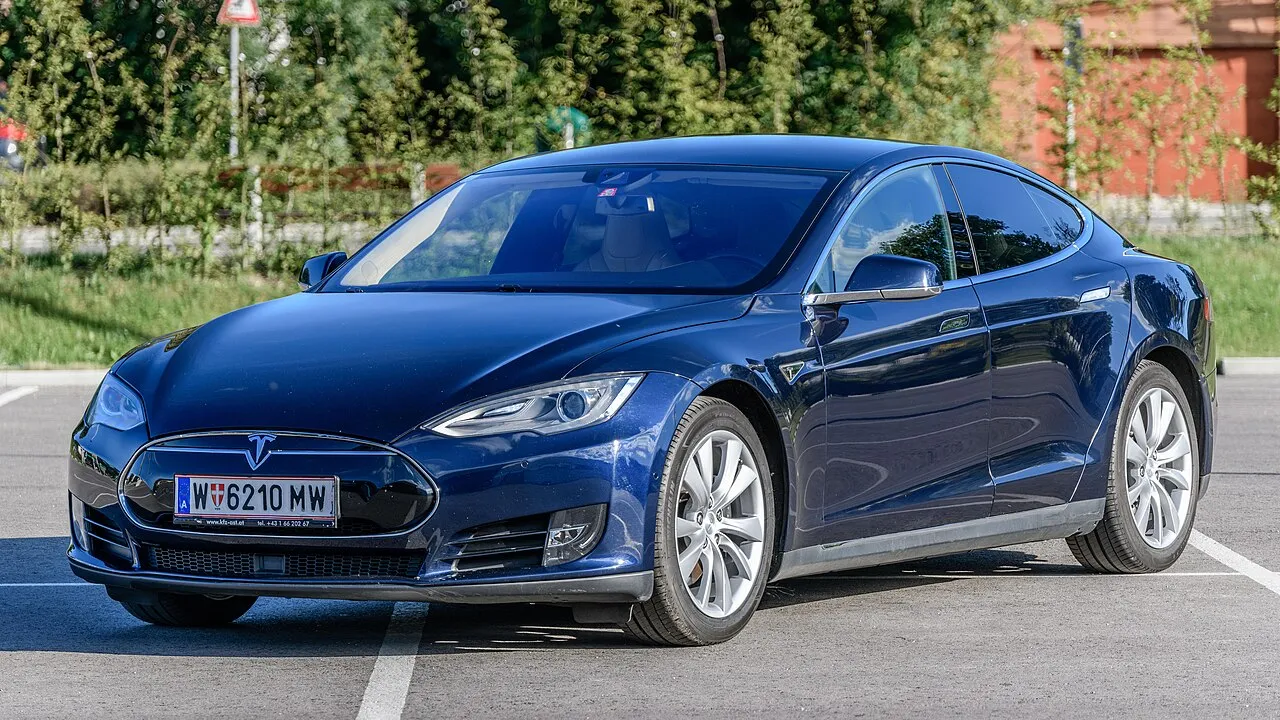
European Model S CCS compatibility depends on build date, charging electronics and the approved CCS2 adapter. Here is what to verify before buying hardware.
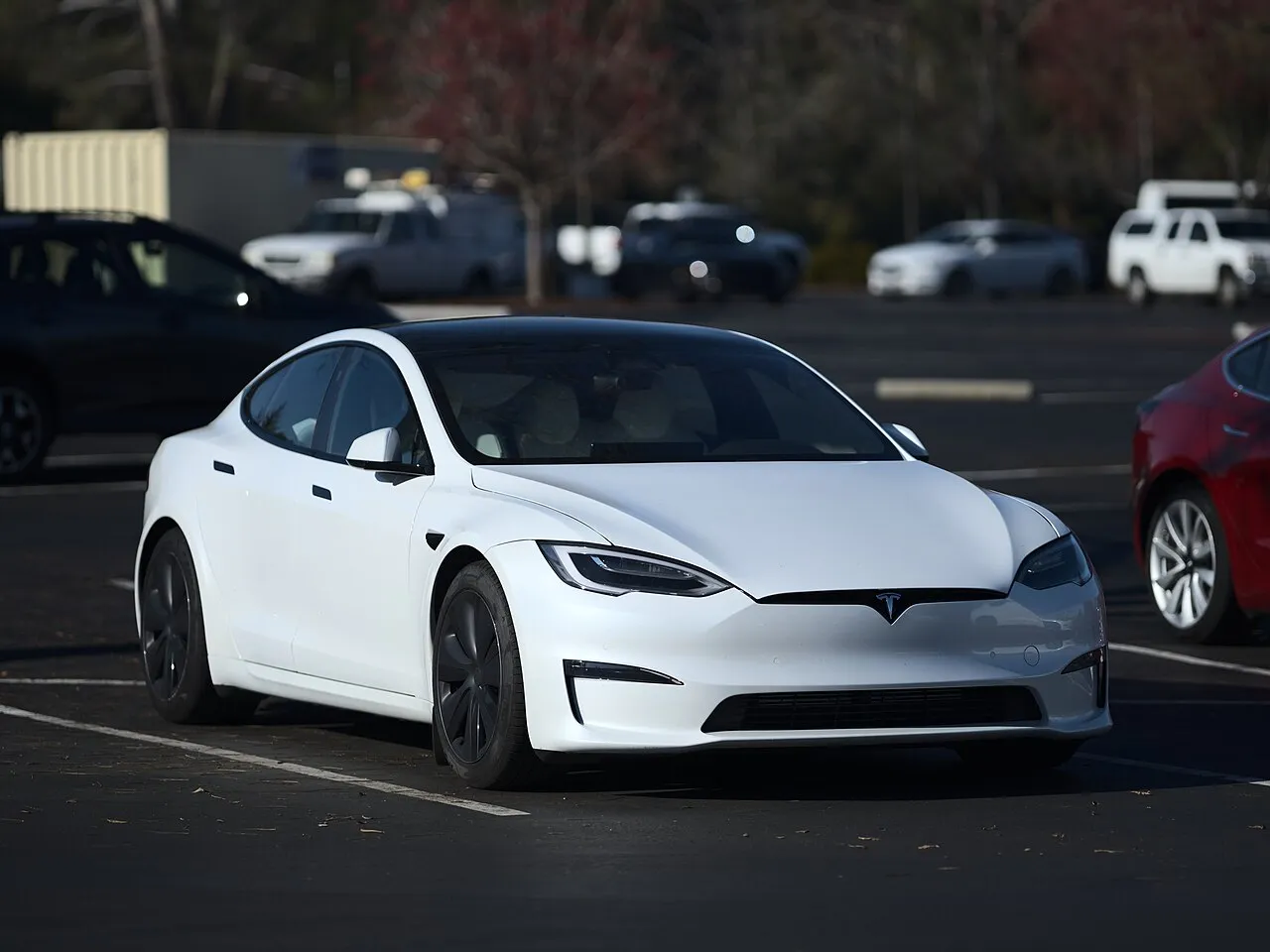
Early Tesla Model S dual chargers increase AC charging capacity, but the benefit depends on the car, charging equipment and electrical supply working together.
How series and parallel battery connections change charging voltage, and what EPA and NRCan ratings establish about Tesla Cybertruck range and charging.