Does Your European Tesla Model S Need a CCS Retrofit?
European Model S CCS compatibility depends on build date, charging electronics and the approved CCS2 adapter. Here is what to verify before buying hardware.
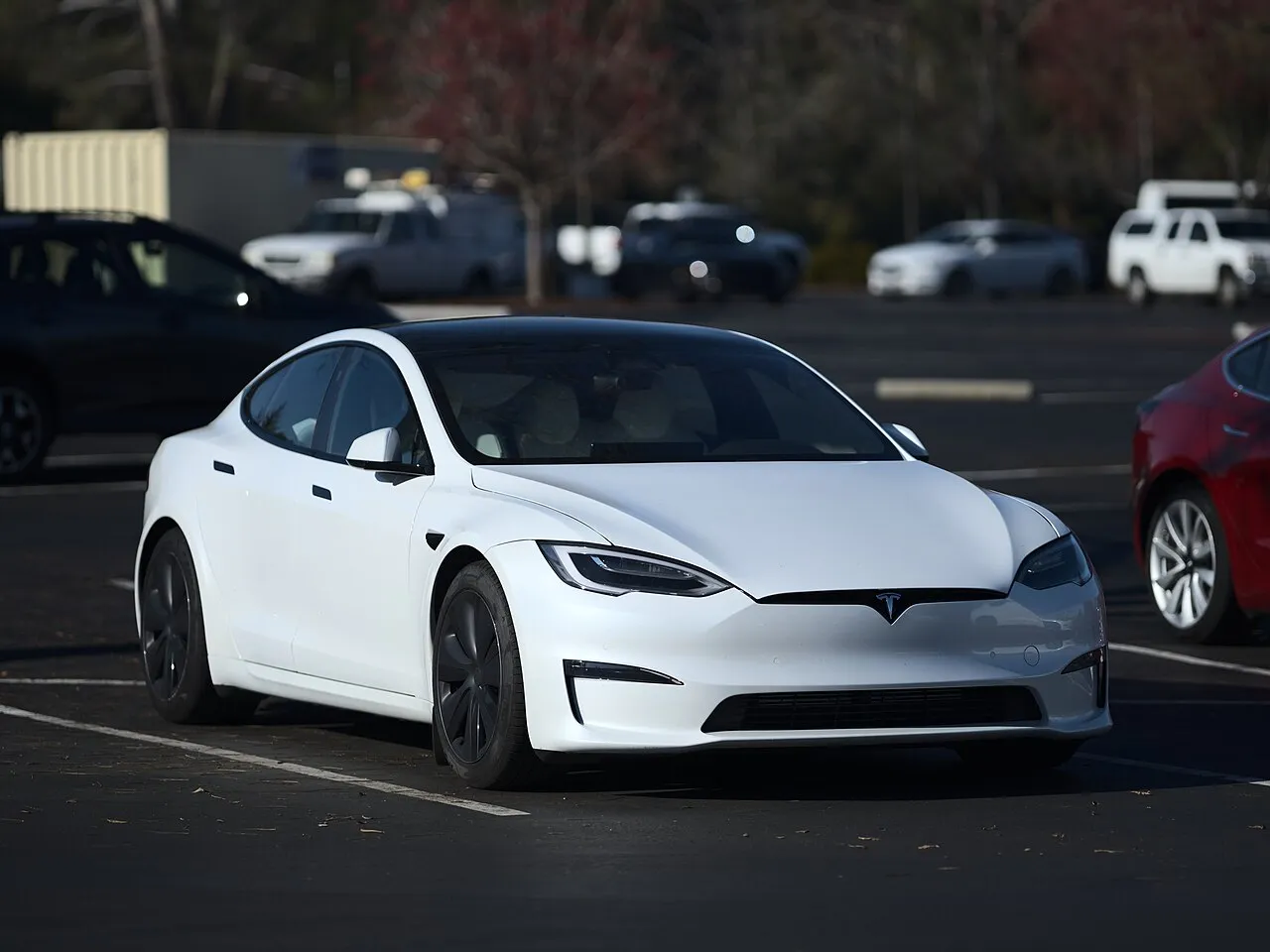
The short answer: A European Tesla Model S needs a CCS retrofit if its installed charging electronics cannot support CCS communication; an approved CCS2 adapter alone cannot add that capability. Use the vehicle’s build information and current hardware configuration to establish whether it needs an electronics upgrade, an adapter, or both.
A European Tesla Model S needs compatible charging electronics and the approved CCS2 adapter to use the corresponding European CCS charging connection. If the car lacks the necessary electronics, buying the adapter alone does not complete the conversion. Build date helps identify the vehicle’s original configuration, but its current hardware matters too, particularly if an earlier owner has already had charging equipment upgraded.
The practical question is therefore specific to the car: does it already support CCS communication, and which approved adapter works with that configuration? A model name, a range rating or a maximum charging-power figure cannot answer those questions. Establish compatibility before choosing between an adapter purchase and a retrofit that also changes vehicle hardware.
Why the adapter and charging electronics both matter
A charging adapter connects two different physical interfaces. CCS charging also requires communication between the vehicle and the charging station before energy can flow. The vehicle must support that communication and control charging appropriately. A plug that can be connected physically does not, by itself, establish that the car can complete those steps.
This distinction explains why an adapter purchase and a hardware retrofit are different jobs. When the vehicle already has compatible charging electronics, the approved adapter can complete the required connection. When those electronics are absent, the adapter cannot substitute for them. The necessary upgrade must address the vehicle’s charging capability as well as the external connection.
Approval also applies to the particular pairing of vehicle and adapter. An adapter described broadly as suitable for a Tesla is not enough information to establish suitability for a European Model S. Its intended vehicle interface, charging standard and supported hardware configuration must match the car. Treat those as a connected compatibility requirement when deciding what to buy.
How build date affects the retrofit decision
Build date is useful because it helps identify which charging hardware a vehicle originally received. Model year is a broader designation and should not replace the actual production information when checking a hardware-dependent feature. Two cars advertised under the same model name should not automatically be assumed to have identical charging equipment.
However, build date describes the starting point. A completed retrofit can change what an older vehicle supports without changing when it was built. That makes service history relevant: documentation of an earlier charging upgrade may explain why a car’s present capability differs from expectations based on its original configuration.
The sound approach combines build information with confirmation of the installed charging electronics. Ask Tesla to establish the required configuration for the specific vehicle and identify the approved CCS2 adapter that belongs with it. A date-based assumption is weaker evidence than confirmation that addresses the car’s current equipment.
This also matters when buying a used Model S. An adapter in the vehicle does not establish that the required electronics are installed. Conversely, a missing adapter does not establish that the car needs an electronics retrofit. Check the vehicle’s capability and the accessory separately, then determine what remains necessary.
What an electronics retrofit needs to accomplish
The purpose of the hardware work is to give the vehicle the charging capability required for CCS operation. The adapter then serves its separate role at the connection. Describing the entire process as simply changing the plug can obscure the reason an electronics upgrade may be necessary.
A useful service description should make the result clear: whether the work adds CCS support, whether the approved adapter is included, and how compatibility will be confirmed afterward. Those details are more meaningful than a broad promise to make the car work with fast chargers. They define what the owner should receive.
If a retrofit has already been completed, establish what was actually changed. A record that identifies the charging upgrade is more useful than an advertisement saying the car is adapter-ready. Where the current configuration remains uncertain, resolve that uncertainty before ordering another component or assuming the upgrade must be repeated.
What current European Model S figures can tell you
Published vehicle figures offer context for charging capability, but they do not establish the retrofit requirements of an individual car. The European versions below are all identified as model year 2025. Their range figures use WLTP; their AC and peak DC charging figures describe charging power, not a range test result.
| Market and model year | Version | Rated range and test standard | AC charging power | Peak DC charging power | Source |
|---|---|---|---|---|---|
| Europe, 2025 | Model S Dual Motor AWD | 637 km, WLTP | 11 kW | 250 kW | EVDB |
| Europe, 2025 | Model S Long Range | 634 km, WLTP | 11 kW | 250 kW | OpenEV Data |
| Europe, 2025 | Model S Plaid | 600 km, WLTP | 11 kW | 250 kW | OpenEV Data and EVDB |
EVDB attributes a 637-km WLTP range to the European 2025 Dual Motor AWD. OpenEV Data attributes 634 km WLTP to the European 2025 Long Range, while OpenEV Data and EVDB are the sources for the European 2025 Plaid entry. These are separate version descriptions; their names and figures should not be treated as an interchangeable identity for every European Model S.
There is also an important connector caveat. OpenEV Data identifies the European 2025 Long Range and Plaid entries with a NACS connector designation. That designation does not establish which CCS2 adapter an individual European vehicle requires. Confirm its actual charging interface and supported adapter before using these entries to guide a purchase.
Why peak charging power does not prove compatibility
The 250-kW peak DC figure attached to these European 2025 versions is not a retrofit specification for an older Model S. It does not identify that older car’s charging electronics, prove CCS support or promise the same power after an upgrade. Applying a current version’s headline charging figure to a different vehicle would skip the compatibility question entirely.
Peak power also differs from the power maintained throughout a charging session. Charging depends on the vehicle’s limits and operating conditions as well as the charging station. An adapter’s role is to enable the appropriate connection; its presence does not turn a published peak into a guaranteed session result.
AC charging figures answer another question. The 11-kW AC figures in the table do not establish CCS DC capability. Likewise, a vehicle’s ability to charge through an existing AC connection is not proof that its electronics can communicate with a CCS DC charger. Confirm the charging mode that the retrofit is intended to enable.
What to verify before buying an adapter
Keep the purchase decision tied to evidence about the specific car. The following checks distinguish an adapter-only requirement from work involving the vehicle’s electronics:
- Vehicle identity: Establish the original market, actual build information and charging interface.
- Installed electronics: Confirm whether the car currently supports the communication required for CCS charging.
- Previous upgrades: Review service records for completed charging hardware work.
- Approved adapter: Confirm the CCS2 adapter intended for that vehicle and hardware configuration.
- Scope of service: Establish whether the proposed work includes electronics, the adapter and confirmation of operation.
For an American reader evaluating a European car, market identification deserves particular attention. A US-market Model S description does not establish the charging interface of a European example. Keep regional connector information attached to the vehicle it describes, just as a WLTP range figure must retain its test-standard label.
The purchase decision becomes straightforward once those checks are complete. A car with confirmed CCS-capable electronics needs the appropriate approved connection hardware. A car without that capability needs the applicable electronics upgrade as well. Build date helps begin the investigation; the installed hardware and approved adapter determine what is required to finish it.
Frequently asked questions
Can a CCS2 adapter alone make a European Model S CCS-compatible?
Only if the car already has compatible charging electronics. An adapter cannot add the vehicle-side communication capability that an electronics retrofit is intended to enable.
Is build date enough to determine whether a retrofit is needed?
Build date helps identify the original configuration, but the current hardware must also be checked. A previous owner may already have completed a charging upgrade.
Does a 250-kW charging rating prove that an older Model S supports CCS?
No. The 250-kW peak DC figures describe the European 2025 versions in the table. They do not establish an older car’s charging electronics, adapter requirements or post-retrofit charging power.
What should a used-car buyer verify before purchasing an adapter?
Verify the car’s market, build information, charging interface, installed electronics and previous charging upgrades, then confirm the approved CCS2 adapter for that configuration.
Related stories

Why EVs Sometimes Need Separate AC and DC Adapters
AC and DC charging use different paths inside an EV, so an adapter that fits one connector may not support the other. Here’s how compatibility works.

How to Tell Whether an EV Charging Adapter Is Standards Compliant
A charging adapter is suitable only when its connector, charging method and ratings match a supported connection. Check vehicle guidance, labels and safety approvals.

How to Choose the Right EV Charging Adapter for a Trip
Check the connector, charging direction and current rating before packing an EV adapter. Then confirm that your vehicle supports the charging method you plan to use.