How to Measure EV Charging Losses at Home
Compare the electricity recorded by your meter with the energy your EV battery gains. Learn what the difference means and how to make a useful comparison.
Running costs, maintenance, insurance, resale value and everyday life with an electric car.
News, explainers and expert context.
Compare the electricity recorded by your meter with the energy your EV battery gains. Learn what the difference means and how to make a useful comparison.
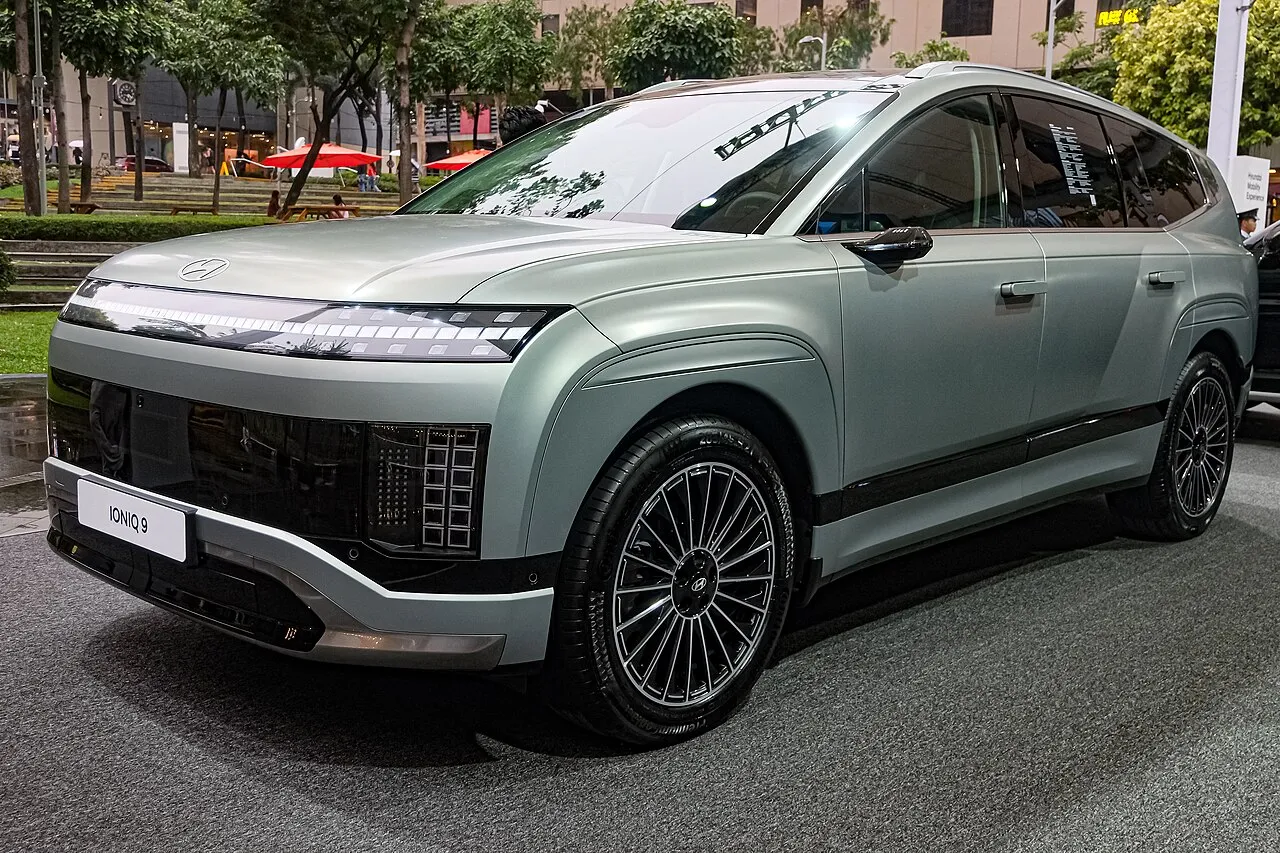
The IONIQ 9 leads on US EPA range, while the EX90 has shorter reported Level 2 charge times. Seating and cargo needs require a closer look.
Before buying EV charging equipment for a rental, confirm parking access, written installation approval, electrical suitability, and who removes it when you leave.
Set a departure time in your EV's climate controls to warm the cabin before you leave. Plugging in may shift some heating demand away from the battery.
You can often lower AC charging current in your EV's charging settings or on compatible charging equipment. Check both manuals before choosing a setting.
A home charger adds equipment and installation costs to your charging budget. Spread those costs over the years and energy you expect to use at home.
A damaged EV charging cable may fall under auto, home, or renters insurance. Ownership, location, cause, and policy wording determine what to check before a claim.
An EV session can appear active while transferring no electricity. These checks help identify whether the problem is the car, cable, charger, or payment system.
A charger may work at one setting and trip at another when current, heat, or a fault crosses a protection threshold. The timing and reset point offer clues.
Usually, yes. Electricity costs less per mile than gasoline for most drivers who charge at home, and EVs need less routine maintenance — no oil changes and less brake wear.
Mainly tires, brakes, cabin air filters, wipers and coolant checks. There is no engine oil, spark plugs or exhaust system to service.