Home EV Charger Load Management When Household Demand Rises
A home EV charger can reduce charging current when other appliances draw more power, then raise it again as demand falls. Here is how that control works.
Running costs, maintenance, insurance, resale value and everyday life with an electric car.
News, explainers and expert context.
A home EV charger can reduce charging current when other appliances draw more power, then raise it again as demand falls. Here is how that control works.
An AC station's rating is only one limit on charging speed. Your EV's onboard charger, available electrical power and battery conditions also affect the result.
Three-phase AC can speed up EV charging when the electrical service, charge point, cable and car all support it. A higher-rated charger alone may not help.
Home charging lets an EV refill while parked, often overnight. Learn how outlets and wall chargers differ, what affects cost, and which common assumptions mislead.
Level 2 charging uses 208–240-volt AC power, commonly at home or work. Learn what its range-per-hour estimate means and why charging speed can vary.
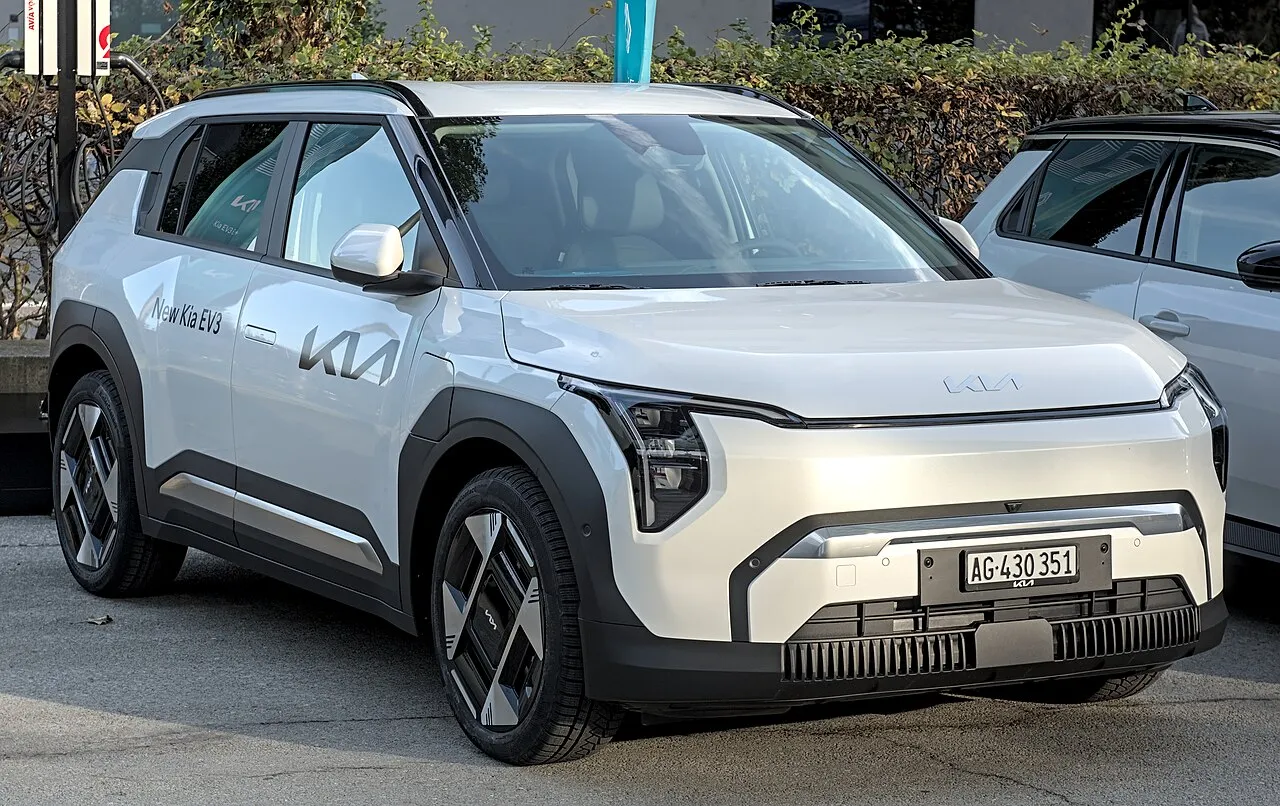
An Australian review finds the base Kia EV3 capable in daily use, while its price, firm ride and recurring driver alerts complicate the case for buyers.
Electrek argues that lightweight electric motorcycles could fill a gap between e-bikes and costly premium models, with small batteries suited to daily trips.
Ofgem’s January price cap increase could raise home charging costs by up to £9 for drivers on standard tariffs, while off-peak rates may soften the effect.
Usually, yes. Electricity costs less per mile than gasoline for most drivers who charge at home, and EVs need less routine maintenance — no oil changes and less brake wear.
Mainly tires, brakes, cabin air filters, wipers and coolant checks. There is no engine oil, spark plugs or exhaust system to service.