How Electric Cars Pick Charging Stops on Long Trips
EV route planners estimate energy use, check compatible chargers and schedule stops with enough battery left to reach each station and continue the trip.
All articles tagged with fast charging, from practical guides to the latest updates.
EV route planners estimate energy use, check compatible chargers and schedule stops with enough battery left to reach each station and continue the trip.
During repeated fast charging, an EV moves battery heat through coolant and a radiator or chiller. Warm air and limited airflow can slow that cooling.
Cells at different temperatures cannot always deliver or accept power equally. Pack controls must account for the coldest and hottest areas, affecting use and wear.
Lithium plating can occur when an EV battery charges faster than its cells can absorb lithium. Cold cells and high charging power raise the risk of lasting damage.
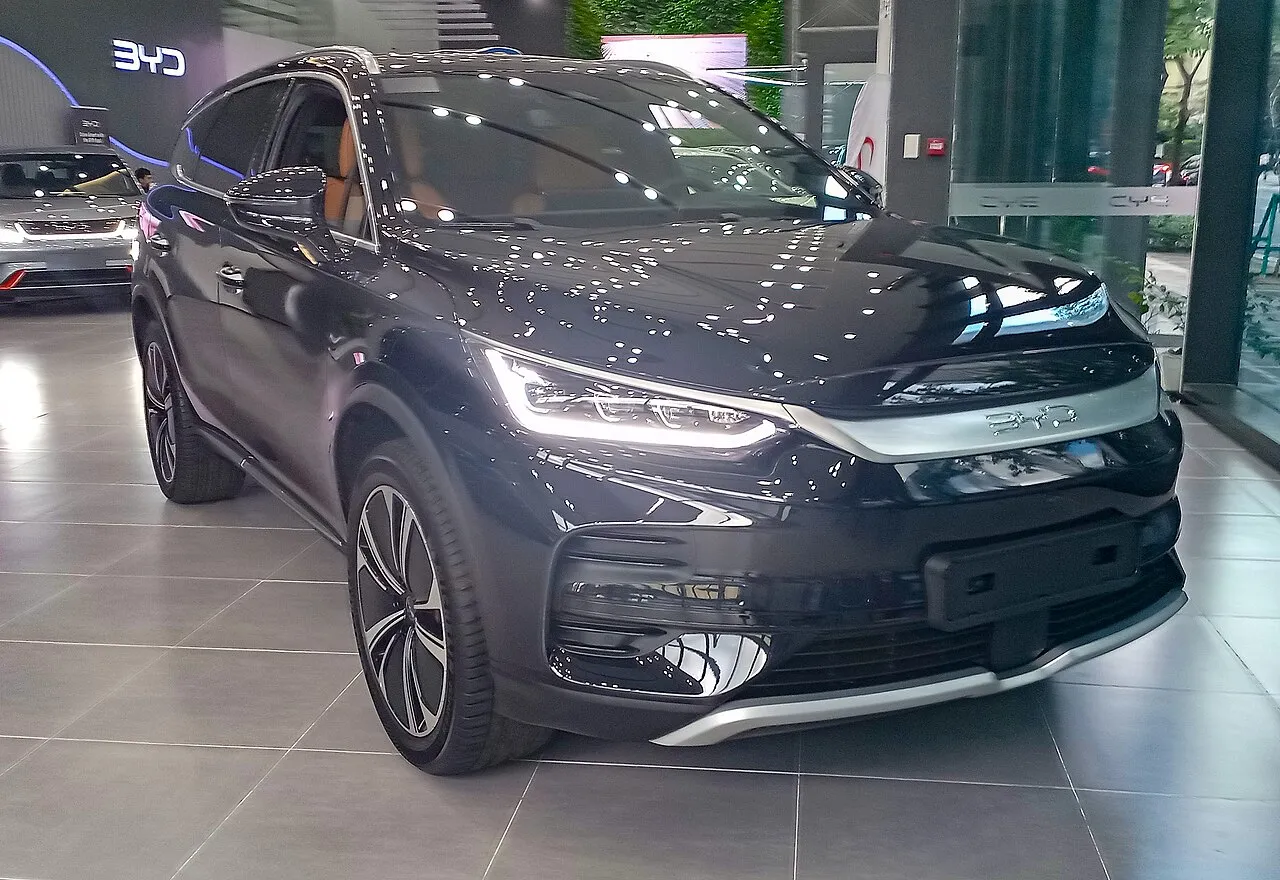
BYD’s third-generation Tang opens for preorder in China with five seats, up to 528 miles of CLTC range and a claimed five-minute charge from 10% to 80%.
A cold or overheated battery can limit fast charging at the same state of charge. Learn how temperature reshapes the curve and when preconditioning helps.
EV coolant circuits move heat away from the battery, motor and power electronics. Valves and heat exchangers help keep each component in its working range.
Chevrolet’s electric Trail Boss starts at $72,595 and offers 478 miles of EPA range with its largest battery, but its size limits its off-road appeal.
The 2027 Mercedes-Benz CLA350 EV pairs a 312-mile EPA rating with a 4.3-second sprint to 60 mph, but Car and Driver found its cabin tight and controls fussy.