What V2G Aggregators Do for EV Owners and the Grid
A V2G aggregator coordinates participating EVs, respects drivers’ charging needs, and combines available battery capacity to help deliver grid services.

The short answer: A vehicle-to-grid aggregator coordinates compatible EVs so their available battery capacity can work together to deliver grid services. It schedules charging and electricity exports around participating drivers’ departure times, charge targets, and other operating limits.
A vehicle-to-grid aggregator coordinates participating electric vehicles so they can act together as a controllable energy resource. It determines which cars are connected and available, works within drivers’ charging preferences, and schedules charging or electricity exports to support the grid. Its central job is to turn many separate vehicles, each with its own travel needs, into a resource whose combined response can be planned and managed.
The aggregator is the coordinating layer. Electricity travels through the vehicle’s charging equipment and electrical connection; the aggregator exchanges information and operating instructions. Successful participation therefore requires both a working electricity path and a compatible control arrangement.
Why the grid needs a coordinating layer
An individual EV’s availability changes whenever its driver plugs in, unplugs, or changes travel plans. Its usable contribution also depends on its battery charge and the limits of its vehicle, charger, and electrical connection. A grid operator or electricity provider needs to know what a participating group can deliver despite those changing conditions.
An aggregator handles that coordination across the group. It estimates available capacity, arranges a response, and updates its plan as circumstances change. Aggregation does not make an unavailable vehicle available. It gives the operator a way to manage the contributions of vehicles that are ready to participate.
The aggregator may work with an electricity provider, a grid operator, or another organization responsible for arranging energy services. The commercial relationship varies by program, but the technical task remains similar: translate a request for a combined electrical response into instructions that individual vehicles and chargers can carry out.
How driver preferences shape participation
The driver’s transportation needs define an important boundary. Depending on the program, settings may include an expected departure time, a desired battery charge at departure, a minimum charge reserve, and permission to participate during particular periods. The aggregator uses those settings to determine how much flexibility the vehicle offers.
A departure charge target and a minimum reserve serve different purposes. The target describes the charge the driver wants when leaving. The reserve limits how far the battery may be discharged while participating. An aggregator may have room to export energy above that reserve while retaining enough charging opportunity to reach the departure target.
That opportunity depends on time as well as battery charge. A vehicle that must leave soon may need to charge immediately. Another vehicle with the same charge level but a later departure may offer more scheduling flexibility. The aggregator must account for the charging power available and the time remaining when assessing either vehicle.
Those plans rely on accurate availability settings and continued connection. An unexpected early departure can reduce the time available to restore charge. The exact handling of overrides, changed schedules, and missed targets depends on the program, so driver controls are part of the participation agreement as well as the software interface.
What happens while an EV is connected
A typical coordination process begins with establishing whether the vehicle and charging equipment can participate. Through the supported communication system, the aggregator receives information needed to assess availability, such as connection status, battery charge, operating limits, and driver preferences. The exact information exchanged depends on the equipment and program.
The aggregator then determines what action is feasible. It may schedule charging for later, reduce an ongoing charge, begin charging, or request an export from a bidirectional vehicle. Each action must fit the applicable battery, charger, site, and participation limits.
This is an ongoing process. Battery charge changes, vehicles disconnect, and requests from the electricity system change. Feedback allows the aggregator to revise its estimate and redistribute work among vehicles that remain available. A vehicle’s contribution can therefore change during a session even when its driver has left the same preferences in place.
Combining batteries means managing power and energy
An aggregator must distinguish power from energy. Power describes the rate at which participating vehicles can charge or export electricity at a particular moment. Energy describes how much electricity they can absorb or release over a period. Both matter when deciding whether the group can meet a request.
A group might be capable of a strong initial response but lack enough available battery energy to sustain it. Alternatively, substantial stored energy might be available while charger limits restrict how quickly it can reach the grid. Battery charge alone does not describe the service the group can deliver.
The aggregator must also account for shared electrical limits. Vehicles connected at one site may share equipment or an electrical connection that constrains their combined output. Adding the maximum capabilities of every vehicle can therefore overstate the response available from that location.
Charging and conversion losses also affect scheduling. Exporting energy and later replacing it requires the aggregator to consider electricity moving through the whole charging system, rather than assuming every unit removed from a battery can be restored without losses.
Which grid services can participating EVs support?
One use is shifting electricity demand. The aggregator can move flexible charging away from periods when the electricity system is under greater pressure and toward periods better suited to charging. Reducing charging demand can help the grid without exporting battery energy.
Bidirectional operation adds the ability to send electricity back through the connection. Where the equipment, interconnection approval, and program allow it, an aggregator can coordinate exports to help meet demand or reduce the net electricity drawn at a participating site.
Participating fleets may also support services that require controlled changes in power, such as frequency regulation. Eligibility depends on whether the complete system can meet the service’s response, measurement, and operating requirements. A vehicle’s ability to export electricity does not automatically qualify it for every grid service.
Managed charging and V2G can therefore sit within the same coordination platform, but they offer different capabilities. Managed charging controls consumption. V2G adds controlled exports from the vehicle battery. An aggregator may use either capability according to what the connected equipment and service permit.
The hardware and permissions still matter
An aggregator cannot create bidirectional capability through scheduling software alone. Export requires a compatible vehicle and charging system, suitable electrical equipment, and authorization to operate in that arrangement. Compatibility must extend across the complete system, including communication and control.
Power conversion can occur in different parts of a bidirectional charging system, depending on its design. In either case, the equipment must manage electricity flow and comply with the protection requirements of its connection. The aggregator coordinates operation within those constraints.
V2G also differs from using a vehicle to power appliances or provide home backup. Those functions do not establish that a vehicle can export electricity in parallel with the grid or join an aggregation program. Grid outages introduce additional protection and isolation requirements; enrollment alone does not establish backup capability.
How participation becomes a measured service
Control instructions need measurement behind them. The program needs a way to establish what electricity flow actually occurred and whether the requested service was delivered. Depending on the arrangement, relevant measurements may come from the charger, a site meter, or other approved equipment.
That distinction matters when evaluating an offer to participate. Availability, an instruction to export, and a measured export are different things. Program terms determine which activities qualify for compensation, how performance is assessed, and how any charging costs or fees are handled.
Battery use deserves similar attention. Exporting electricity adds battery throughput, while charging schedules influence how long the battery remains at different charge levels. The effect on battery aging depends on operating conditions and battery design. Participation terms, vehicle warranty conditions, and available driver limits help define the acceptable operating range.
The practical value of an aggregator is its ability to keep these requirements aligned: a driver’s next trip, the vehicle’s capabilities, the site’s electrical limits, and a service the grid can use. The combined resource remains useful only while its individual vehicles can participate within those boundaries.
Frequently asked questions
What does a V2G aggregator actually control?
It coordinates charging and, where supported and authorized, electricity exports across participating vehicles. Its instructions must stay within driver preferences and the limits of the vehicle, charger, electrical connection, and program.
Can an aggregator use the entire EV battery?
Available capacity is constrained by settings such as a minimum charge reserve and departure target, along with equipment and program limits. The aggregator must assess how much energy can be used while preserving the vehicle’s planned transportation needs.
Does managed charging require bidirectional capability?
Managed charging can adjust when a vehicle consumes electricity without exporting energy. V2G adds the ability to send electricity from the vehicle battery back through a compatible, authorized grid connection.
Does joining a V2G program provide home backup power?
Enrollment alone does not establish home backup capability. Supplying a home during an outage requires suitable equipment and an arrangement that meets protection and isolation requirements.
Why does an aggregator need both power and energy information?
Power determines how quickly vehicles can charge or export, while available energy determines how long a response can last. The aggregator needs both to assess whether the participating group can deliver a requested service.
Related stories

How Utility Demand Response Changes EV Charging
During a utility demand response event, an enrolled EV charger may pause, delay or reduce charging to ease grid demand. Learn what that means for your car.

How EVs Convert Battery Power for Home and Device Use
Bidirectional charging takes more than an outlet: an EV needs power conversion, control logic and compatible hardware to send energy to a home or device.
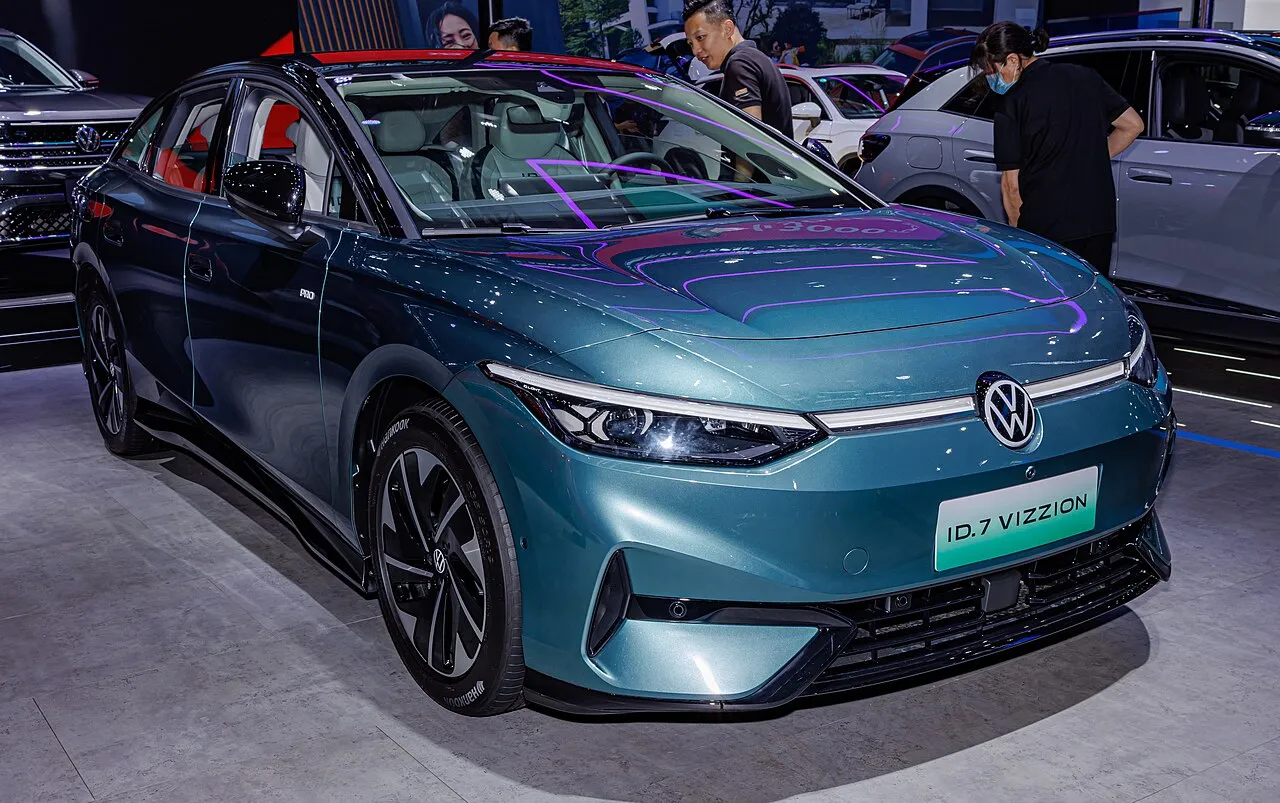
Volkswagen Elli Plans Paid Vehicle-to-Grid Charging in Germany
Volkswagen’s Elli is preparing a German V2G offer that pays owners to keep compatible EVs plugged in, with energy exports paid separately.