Volkswagen ID. Polo Waits Reportedly Stretch to 21 Months
Some Volkswagen ID. Polo buyers face reported waits of up to 21 months as European demand strains production and puts German subsidy eligibility at risk.
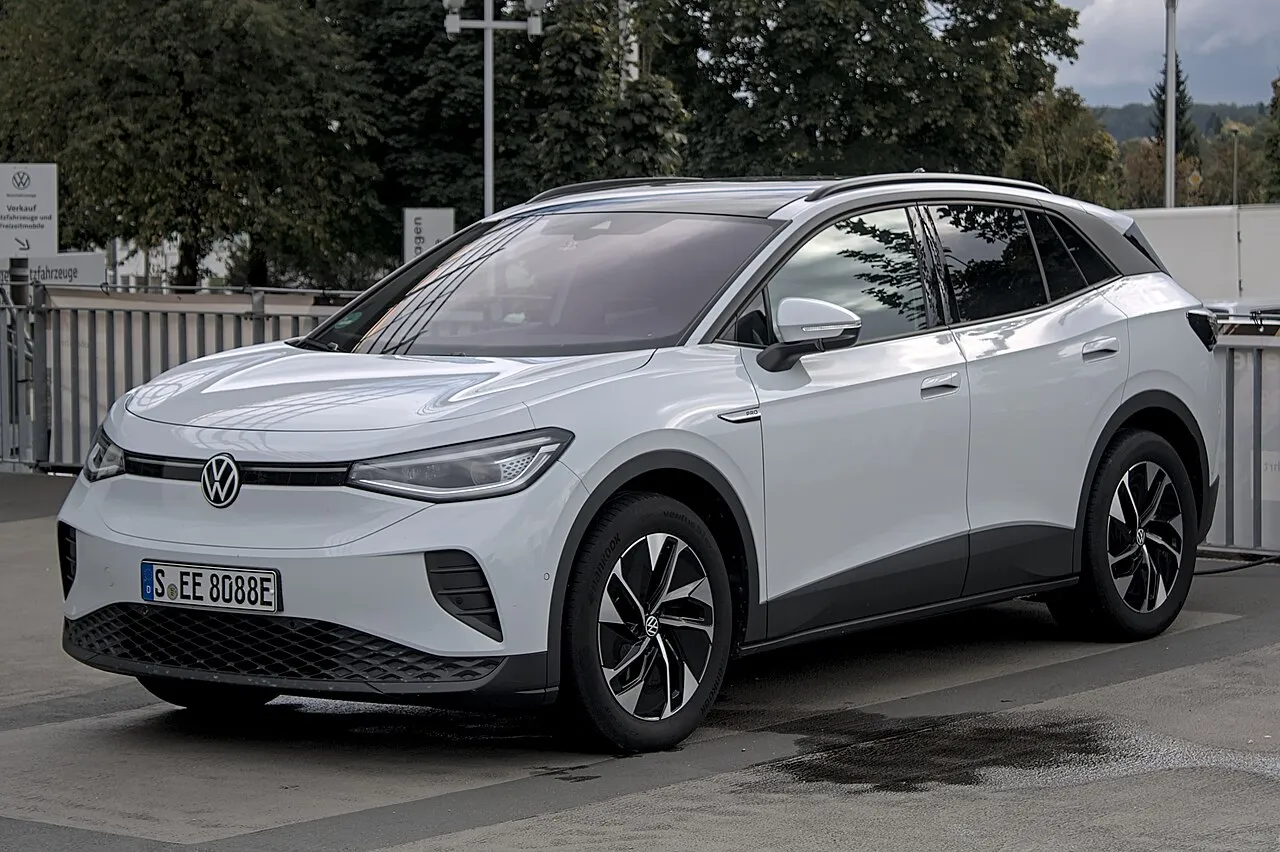
The short answer: Volkswagen ID. Polo delivery waits reportedly reach 21 months for the cheaper Trend versions, while the GTI is said to take around seven months. According to CarExpert, citing Germany's EDISON, strong orders and a production schedule favoring more profitable versions are behind the delays.
Some Volkswagen ID. Polo buyers in Europe reportedly face delivery waits of up to 21 months as demand strains production capacity and cheaper versions fall behind more profitable trims in the factory schedule. The delays could also put German buyers at risk of missing an electric-car subsidy tied to registration in 2027, according to CarExpert, citing reporting by Germany's EDISON.
The longest reported waits concern the entry-level ID. Polo Trend. The performance-oriented GTI is said to have a wait of around seven months, creating a substantial difference in availability within the same model range. For buyers drawn to Volkswagen's more affordable electric hatchback, the production order could make the least expensive versions the hardest to obtain promptly.
The pressure extends beyond Volkswagen. The ID. Polo shares production at SEAT's Martorell factory in Spain with the Cupra Raval, while the related Skoda Epiq and Volkswagen ID. Cross face separate capacity constraints at Volkswagen's Navarra facility, according to CarExpert.
Official delivery estimates fall short of reported waits
CarExpert reports that official communications put delivery times for the ID. Polo and Raval at seven to nine months. However, EDISON's unnamed sources describe waits exceeding a year for some versions, with the selected trim playing a significant role in when a customer can expect delivery.
The distinction matters because the official range does not capture the longest delays described in the report. An ID. Polo buyer choosing a Trend version could reportedly face up to 21 months, while someone ordering a GTI could receive a car in roughly seven months. Those are variant-specific estimates, rather than a single delivery timetable applying to every ID. Polo order.
Cupra, meanwhile, is quoting a maximum wait of 25 weeks for the Raval, according to CarExpert. That is a separate brand-specific estimate alongside the broader seven-to-nine-month communications and the longer waits attributed to insiders. The report therefore points to an uneven backlog across models and trims, even among cars assembled at the same factory.
Orders have outpaced Volkswagen's planning
The four models belong to Volkswagen Group's Electric Urban Car Family: the Cupra Raval, Volkswagen ID. Polo, Volkswagen ID. Cross and Skoda Epiq. At the Paris motor show in October, the group said it had received nearly 150,000 orders across that portfolio, according to CarExpert's November 17 report.
Cupra said the Raval alone had attracted 50,000 orders since going on sale in April. Separately, CarExpert cites EDISON as reporting that the ID. Polo had nearly doubled its order bank from the 30,000 orders reported in mid-September. That describes a rapid increase for the Volkswagen hatchback, although an exact updated total was not given.
The figures reflect announcements at different points in the launch period. The nearly 150,000 portfolio total was announced in October, while the ID. Polo's subsequent growth forms part of the later reporting. They should therefore be read with their timing attached, rather than combined into a new group-wide order total.
An unnamed Volkswagen representative acknowledged the planning problem in an interview with EDISON, according to CarExpert: “We clearly planned too conservatively.” EDISON also reported that almost all of the ID. Polo's allocated production for 2027 had already been sold, leaving limited room within that allocation for additional customers seeking delivery next year.
Martorell must balance electric and combustion models
The Martorell factory has annual production capacity of 600,000 vehicles, according to CarExpert. Roughly half is reserved for EVs, with the other half allocated to the Cupra Leon and Formentor and the SEAT Leon, Arona and Ibiza. The plant's overall capacity therefore does not represent capacity available exclusively to the ID. Polo and Raval.
EDISON reports that the approximately equal split between electric and non-electric production may need to change in 2027 to reduce delivery delays. According to CarExpert's account, such a shift would come at the expense of the non-electric model lines. The potential response is a different allocation of factory output, rather than a confirmed increase in the plant's total annual capacity.
Within the electric-car allocation, profitability reportedly also influences the production schedule. CarExpert says the factory is understood to be prioritizing higher-grade versions because they generate higher margins. An unnamed Volkswagen manager told EDISON that more affordable variants “just clog up the line.”
That reported approach connects the factory bottleneck directly to affordability. A cheaper ID. Polo may require a longer wait even while a more expensive version moves through production sooner. The Trend and GTI delivery estimates illustrate how the scheduling decision could affect customers differently, without any change to the underlying demand for the model.
German buyers face a registration deadline
The delivery backlog has a financial consequence for German customers hoping to use the country's electric-car subsidy. According to CarExpert, the contribution is worth up to €6,000 and is guaranteed only if the vehicle is registered in 2027.
With almost all of the ID. Polo's 2027 production allocation reportedly sold, customers cannot treat an order as assurance that they will meet that registration requirement. Production timing and registration timing are separate steps, and the reported 21-month wait creates particular uncertainty for buyers choosing the cheapest versions.
The issue is therefore broader than inconvenience. Buyers seeking a lower-priced trim may also be counting on a subsidy whose eligibility depends on receiving and registering the car within a particular year. CarExpert reports concerns among German customers about that deadline; it does not describe a change to the subsidy timetable in response to the backlog.
The Epiq and ID. Cross face a separate bottleneck
Similar, though less severe, production constraints affect the Skoda Epiq and Volkswagen ID. Cross at Navarra, according to CarExpert. The two compact electric crossovers have officially accumulated more than 80,000 orders between them.
For most of the Epiq range, EDISON reports unofficial waits of 11 to 17 months. The flagship Sportline version is said to take around five months. That creates another substantial difference between mainstream and higher-grade versions within the same model range, although the figures remain unofficial estimates.
The extent of the ID. Cross backlog is less clear. CarExpert says it was the last of the four models to go on sale and had not yet reached European roads at the time of the report. Its shared factory and combined order figure establish production pressure at Navarra, but do not establish a specific delivery wait for an individual ID. Cross customer.
More market launches are still ahead
Volkswagen was preparing to open ID. Cross orders in the right-hand-drive UK market in the days following the report, with deliveries expected in 2027, according to CarExpert. That launch adds another market to the rollout while the European production picture remains constrained.
For Australia, the consequences remain unresolved. Neither the ID. Polo nor the Raval had been officially confirmed for introduction there, although the Raval had previously been earmarked for a possible 2027 release. CarExpert says it is unclear whether the European backlog would delay either potential launch.
The immediate questions are whether Martorell shifts more capacity toward EVs and how Volkswagen allocates that output among trims. Those decisions will shape whether strong demand translates into shorter delivery estimates, particularly for customers waiting for the more affordable ID. Polo versions.
Frequently asked questions
How long is the reported Volkswagen ID. Polo wait?
According to CarExpert, citing EDISON, cheaper ID. Polo Trend versions face waits of up to 21 months, while the GTI is said to take around seven months. Official communications describe delivery times of seven to nine months.
Why are cheaper ID. Polo versions facing longer delays?
CarExpert reports that the Martorell factory is understood to be prioritizing higher-grade versions because of their higher profit margins, pushing cheaper Trend versions toward the bottom of the production schedule.
Could the delay affect German EV subsidies?
Yes. According to CarExpert, Germany's contribution of up to €6,000 is guaranteed only for vehicles registered in 2027, creating uncertainty for customers whose deliveries could fall beyond that year.
Which other electric cars face production pressure?
The Cupra Raval shares Martorell production with the ID. Polo. CarExpert also reports constraints at Navarra, where the Skoda Epiq and Volkswagen ID. Cross are built; unofficial Epiq waits range from 11 to 17 months for most versions and around five months for the Sportline.
Related stories
Kia Plans Entry-Level EV With $22,000–$24,000 Price Aim
Kia's planned European electric hatchback could start around $22,000 to $24,000, pairing a lower price with new software and a shared Hyundai platform.

Bentley Torcal EV Orders Fill All 2027 Production Slots
Bentley's first EV has filled its 2027 production slots before assembly begins, pushing new Torcal orders into 2028 as the brand seeks younger buyers.

Audi A4 E-Tron Production Pushed to at Least 2029
The electric Audi A4 is reportedly at least a year behind its original production plan, adding to delays for Volkswagen's next generation of EVs.