Volkswagen ID. Buzz Wheelbases Compared for Everyday Use
Compare Volkswagen ID. Buzz wheelbases for passenger seating, luggage space and parking, with clear distinctions between US, Canadian and European figures.
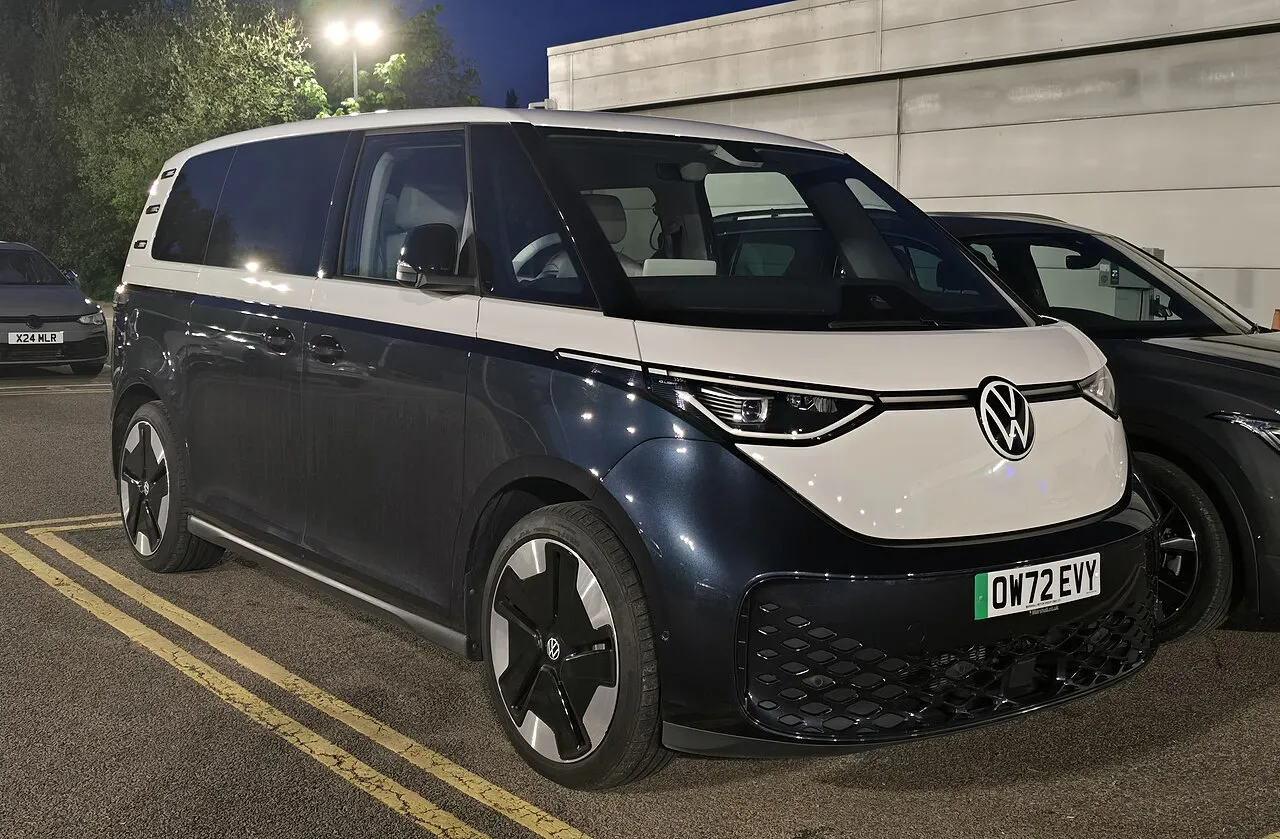
The short answer: Favor a shorter wheelbase when maneuvering and parking matter most, and a longer wheelbase when its actual seating layout and luggage space justify the extra footprint. For the Volkswagen ID. Buzz, confirm the exact vehicle’s dimensions and seat configuration: trim names and figures from another market cannot establish those details.
Choose a shorter-wheelbase Volkswagen ID. Buzz if your priority is fitting the vehicle into everyday parking spaces and navigating confined areas. Choose a longer wheelbase if its passenger layout and luggage capacity better match your needs. That decision depends on the actual vehicle: wheelbase alone does not establish seating capacity, usable cargo space or turning ability.
A precise numerical comparison has an important limitation. The European versions below all carry the same published wheelbase and exterior dimensions, while corresponding dimensions for the US and Canadian versions have not been published here by their credited sources. Those figures therefore cannot establish the dimensional difference between short and long versions.
What wheelbase changes—and what it does not
Wheelbase is the distance between the front and rear axles. Overall length also includes the body extending beyond those axles. A longer wheelbase can create more room between the wheels, but the cabin layout determines how that room serves passengers and luggage. It does not automatically translate into a particular number of seats or a specific cargo volume.
For parking, overall length answers whether the body fits within a space. Wheelbase helps explain how the vehicle moves through a turn. Width, mirror clearance, steering geometry and body overhangs also matter. A shorter wheelbase generally favors maneuverability when other factors are comparable, but it cannot establish the ID. Buzz’s turning circle without a published measurement.
Keep market and model-year figures together
The table separates the market-specific figures relevant to identifying these versions. US range figures come from US EPA fueleconomy.gov, Canadian figures from Natural Resources Canada, and European figures from OpenEV Data or EVDB. EPA, NRCan and WLTP are distinct range-rating systems; their results should not be treated as equivalent measurements.
| Market and model year | Version | Rated range and test standard | Exterior dimensions and wheelbase | Source |
|---|---|---|---|---|
| US, 2025 | RWD | 234 miles, EPA | Not published by the credited source; dimensional test standard not applicable | US EPA fueleconomy.gov |
| US, 2025 | 4Motion AWD | 231 miles, EPA | Not published by the credited source; dimensional test standard not applicable | US EPA fueleconomy.gov |
| Canada, 2025 | Pro | 377 km, NRCan | Not published by the credited source; dimensional test standard not applicable | Natural Resources Canada |
| Canada, 2025 | Pro 4Motion | 372 km, NRCan | Not published by the credited source; dimensional test standard not applicable | Natural Resources Canada |
| Europe, 2025 | Cargo | 423 km, WLTP | Length 4,712 mm; width 1,985 mm; height 1,937 mm; wheelbase 2,988 mm. Dimensional measurement convention not stated; WLTP applies to range. | OpenEV Data |
| Europe, 2025 | Pro | 423 km, WLTP | Length 4,712 mm; width 1,985 mm; height 1,937 mm; wheelbase 2,988 mm. Dimensional measurement convention not stated; WLTP applies to range. | OpenEV Data |
| Europe, 2025 | GTX | 462 km, WLTP | Length 4,712 mm; width 1,985 mm; height 1,937 mm; wheelbase 2,988 mm. Dimensional measurement convention not stated; WLTP applies to range. | EVDB |
| Europe, 2025 | Pro S | 487 km, WLTP | Length 4,712 mm; width 1,985 mm; height 1,937 mm; wheelbase 2,988 mm. Dimensional measurement convention not stated; WLTP applies to range. | EVDB |
The identical European dimensions deserve attention. Neither the Pro S name nor its different range rating establishes a longer body in this comparison. OpenEV Data and EVDB report the dimensions shown, so assigning a different wheelbase to a trim solely from its name would be unjustified. Confirm the body configuration independently when evaluating a particular vehicle.
Compare seating arrangements before cabin size
The useful seating comparison starts with the arrangement you will actually use. Passenger capacity, the shape of each row and access to the rear seats are separate considerations. A cabin can accommodate the required passengers yet be inconvenient if reaching a rear seat involves moving another occupied seat.
Exact seating counts and row configurations have not been published by the sources credited above. It would therefore be misleading to assign a particular passenger capacity to either wheelbase here. The Cargo designation also should not be used to infer the seating arrangement of a passenger version.
When comparing actual vehicles, examine the seats in their normal traveling positions. Check whether the people who use the rear seats can enter comfortably and whether their legroom depends on moving another row forward. For households using child restraints, access to the relevant seating positions matters alongside the nominal passenger count.
A longer cabin is useful when its layout resolves those needs. Extra length offers less practical value if the arrangement still obstructs access or leaves the wrong balance between passenger room and luggage space. Evaluate the complete seating layout rather than treating wheelbase as a substitute for it.
Judge luggage space with passengers aboard
Luggage capacity only answers a practical question when the seat position is clear. Space behind the rearmost occupied row serves a different purpose from maximum space with seats folded or removed. A large maximum capacity does not establish how much room remains when everyone travels together.
Comparable luggage volumes and seat-folding arrangements have not been published by the credited sources. There is consequently no defensible numerical cargo advantage to assign to either wheelbase here. Instead, compare the space remaining behind the seats you need, including its depth, height and shape.
For a family trip, that means checking whether the usual bags fit while preserving passenger space. For bulky equipment, the opening and the narrowest part of the load area may matter more than total volume. If carrying it requires moving seats, establish whether that arrangement remains compatible with the passengers traveling on the same journey.
Separate parking fit from maneuvering room
A parking space can be long enough for a vehicle yet difficult to enter. The approach angle, aisle width and room available to swing the front of the vehicle all affect the maneuver. Wheelbase contributes to that behavior, but turning-circle figures have not been published by the credited sources.
That makes a categorical claim about the ID. Buzz’s maneuverability inappropriate. The general advantage of a shorter wheelbase is most relevant when comparing otherwise similar vehicles. Steering design can change the result, so an assumed turning advantage should not replace checking the exact version.
Garage fit requires a separate assessment. Compare the vehicle’s overall dimensions with the entrance and the space inside, allowing room to open doors and reach luggage. The European width figure does not state its mirror measurement convention, so it should not be treated as a confirmed mirror-to-mirror clearance. Height clearance also needs to account for anything fitted to the actual vehicle.
Make the choice around your regular use
Favor the shorter option when it meets your passenger and luggage needs and restricted parking is a regular concern. Favor the longer option when its confirmed cabin arrangement delivers space you will use and its exterior dimensions work at home and at frequent destinations. Occasional capacity and daily convenience deserve separate consideration.
For an American buyer, keep the US vehicle’s identity central to that decision. Canadian trim names and European dimensions cannot establish a US model’s seating or footprint. Use the market-specific range ratings for the versions they describe, then verify wheelbase, overall size, seating arrangement and luggage space on the exact ID. Buzz under consideration.
Frequently asked questions
Does a longer ID. Buzz wheelbase guarantee more seats?
No. Wheelbase measures the distance between the axles; seating capacity depends on the cabin configuration. Exact seating counts for these versions have not been published by the credited sources.
Do the European Pro and Pro S have different published wheelbases?
The figures attributed to OpenEV Data for the European 2025 Pro and EVDB for the European 2025 Pro S both show a 2,988 mm wheelbase and a 4,712 mm overall length. Those figures do not establish a short-versus-long distinction.
What are the US ID. Buzz range ratings?
US EPA fueleconomy.gov rates the US 2025 ID. Buzz RWD at 234 miles and the 4Motion AWD at 231 miles. Both are EPA ratings.
Can Canadian and European range ratings be compared directly?
Canadian figures use NRCan ratings, while the European figures use WLTP. These are different test standards, so their results should not be treated as equivalent measurements.
Which dimensions matter when checking garage fit?
Overall length, width and height determine basic clearance, while wheelbase and steering geometry affect maneuvering. Door access, luggage access and mirror clearance also need checking on the exact vehicle.
Related stories

Choosing an EV That Feels Easy to Place at Low Speeds
Compare accelerator response, sightlines, turning circle and parking aids in the places that matter: tight lots, driveways and slow, confined streets.
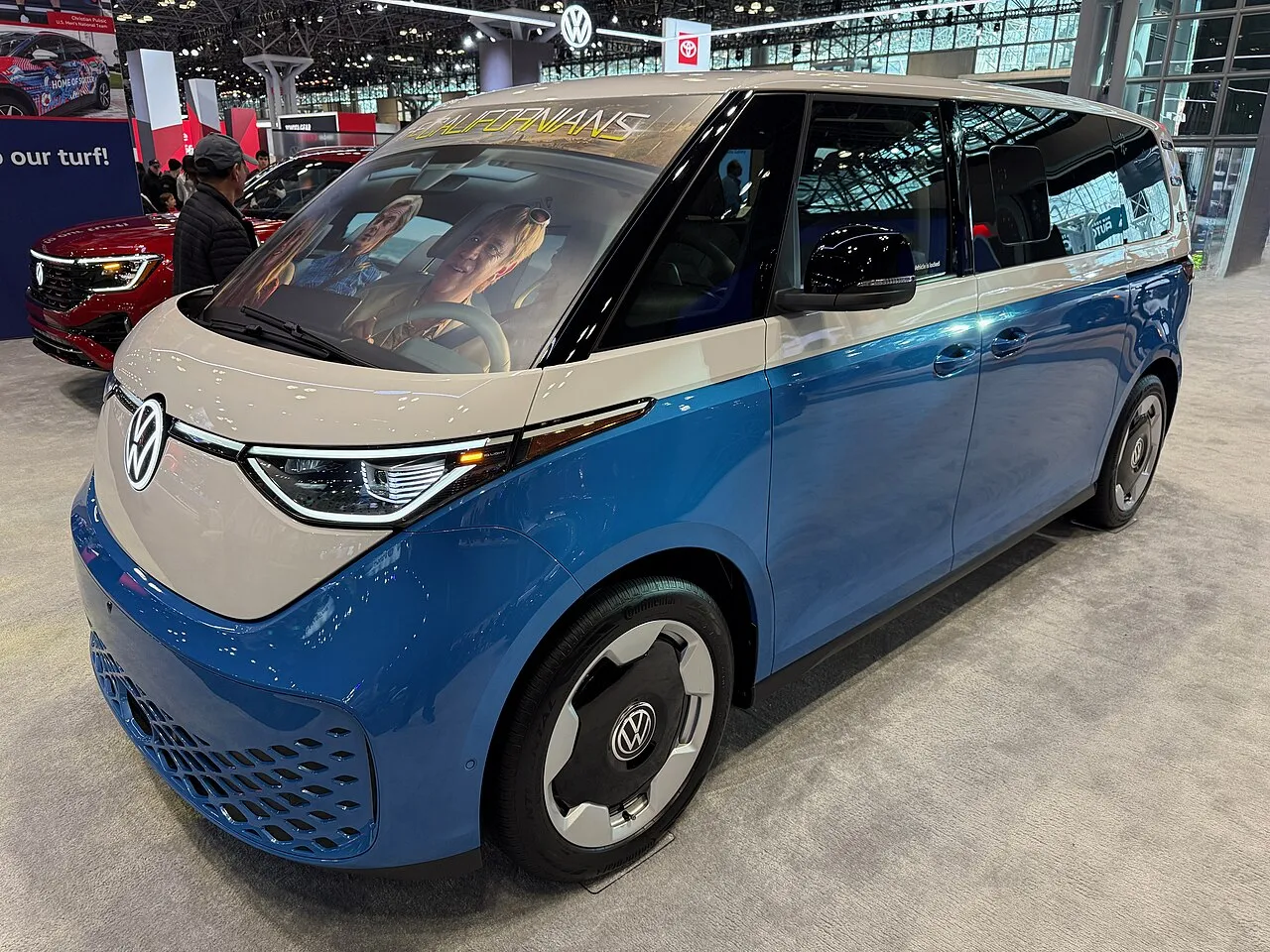
How the Volkswagen ID. Buzz Works for Everyday Use
The ID. Buzz pairs a van-like cabin with an electric drivetrain. Here is how its layout can shape passenger access, parking, cargo use and daily trips.

How to Compare Compact EVs for Tight Parking Spaces
Compare an EV’s width, turning circle, sightlines and door access against the spaces you use. A compact body alone does not ensure easy parking.