Volkswagen ID. Buzz or Hyundai IONIQ 9 for Families?
The ID. Buzz and IONIQ 9 take different approaches to family access. Here is how their van and SUV layouts affect loading, seating, and trips.
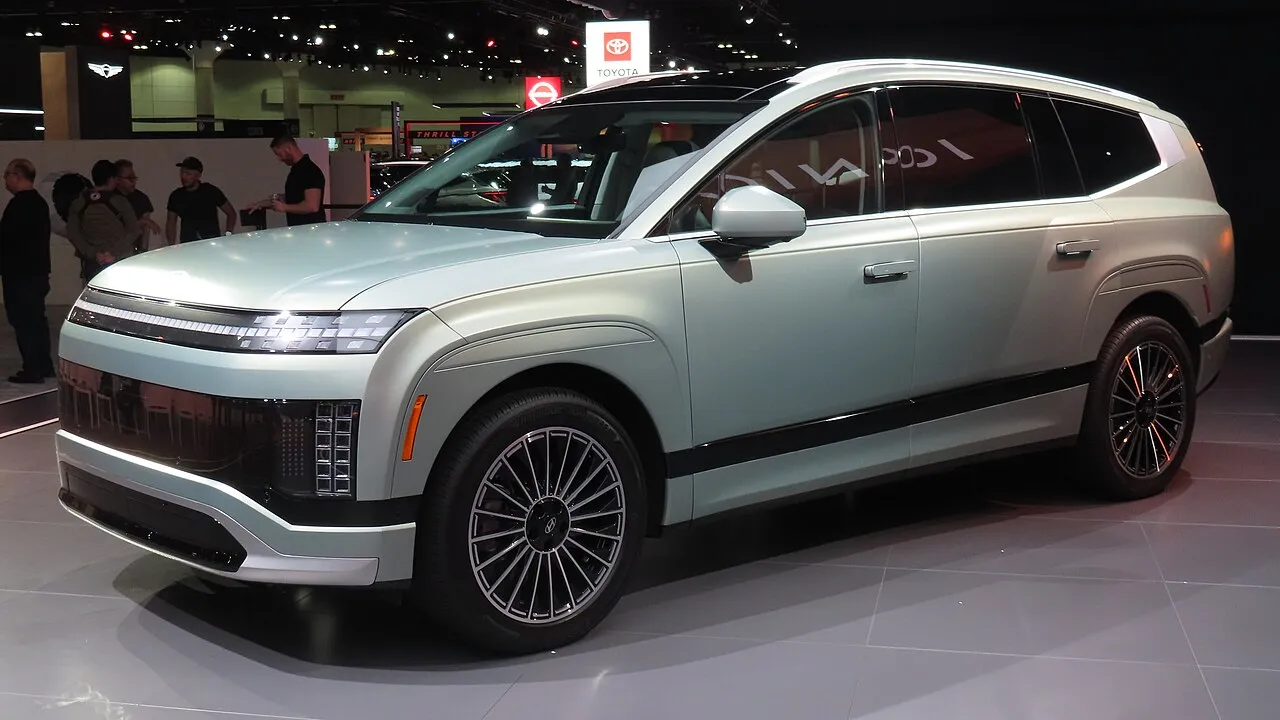
The short answer: The Volkswagen ID. Buzz is the more natural choice for easy family access and flexible loading because its van shape prioritizes cabin entry and usable space. The Hyundai IONIQ 9 is the better fit for shoppers who prefer a large SUV layout and longer rated range.
For family access, the Volkswagen ID. Buzz has the stronger starting point. Its van or MPV shape is built around a tall, open passenger compartment and convenient loading, while the Hyundai IONIQ 9 uses a more conventional large SUV layout. That makes the ID. Buzz the easier vehicle to consider for frequent child-seat use, repeated passenger entry, and bulky cargo. The IONIQ 9 remains compelling for families that want an SUV body style, all-wheel drive availability, and substantially more rated range in the US versions listed by US EPA fueleconomy.gov.
The choice depends on what “access” means in daily use. If access means getting children into the cabin, reaching a third row, or loading large objects without lifting them as high, the ID. Buzz’s van architecture has a practical advantage. If it means fitting a large family vehicle into an SUV-centered routine while reducing charging stops on longer trips, the IONIQ 9 has the stronger case.
How the two body styles change family access
A van and a three-row SUV can both carry a family, but they organize the space differently. The ID. Buzz’s tall profile and MPV design place the emphasis on interior volume and movement through the cabin. That kind of layout generally makes it easier to approach the passenger area, lift children into their seats, and handle bags at the rear. The roof height also gives the cabin a more upright feel when adults are helping passengers buckle in.
The IONIQ 9 is an SUV. Its taller ride height can make entry feel familiar to shoppers moving from another SUV, and its large exterior footprint supports a substantial passenger compartment. The tradeoff is that SUV access usually involves more vertical lifting than a van, especially when placing a child or a heavy object into the cabin. Families should pay close attention to the height of the rear opening and the distance to the furthest seating row during an in-person inspection.
Those differences matter most when access happens several times a day. A family vehicle is used at school drop-off, grocery stops, sports practices, and roadside breaks. Small changes in how far an adult must reach or lift can matter more than a vehicle’s maximum cargo claim. The ID. Buzz’s layout is aimed at reducing those tasks. The IONIQ 9’s layout is aimed at delivering large SUV utility with electric power.
Seating access and child-seat routines
Seat access is about more than the number of seats. The important questions are whether an adult can stand comfortably while helping a child, whether the second row leaves a clear route toward the rear, and whether installed child seats block access to other passengers. The ID. Buzz’s van format is well suited to those questions because its cabin is tall and arranged for passenger use.
That advantage is especially relevant for families with rear-facing child seats. A rear-facing seat can consume front-to-back space, and an adult may need to lean into the vehicle to tighten straps or adjust a child’s clothing. A tall MPV cabin can make that process less awkward. The exact result still depends on the chosen interior configuration and the position of the front seats, so shoppers should test their own child seats rather than assume every version behaves the same way.
The IONIQ 9’s SUV format can work well for families who already prefer three-row SUVs. Its large body and long wheelbase suggest a cabin designed to carry several passengers, but the access experience will depend on the second-row arrangement and the path to the rearmost seats. Families should check whether the second row can move far enough forward with child seats installed and whether an adult can reach the third row without climbing over the seats.
Trim and market differences also matter. The figures available for the IONIQ 9 identify US AWD, AWD Performance, and RWD versions, along with Canadian versions and European specifications. They do not identify a seating arrangement for each version. The same check applies to the ID. Buzz: shoppers should confirm the exact passenger configuration, door arrangement, and seat-folding method for the version sold in their market.
Cargo access and loading height
The ID. Buzz’s strongest family argument is likely to appear at the rear opening. A van’s square, upright body is naturally suited to strollers, coolers, sports equipment, and tall boxes. It also tends to make it easier to organize cargo around passengers because the space is shaped for carrying people and objects together. A family that regularly loads bulky items may find this more useful than a sportier exterior shape.
The IONIQ 9 can still serve as a large family hauler, but an SUV rear opening usually asks the user to lift cargo into a higher floor or reach farther into the vehicle. That may be acceptable for luggage and grocery bags, while becoming less convenient for a folded stroller or a large piece of equipment. The right comparison is the actual loading task: bring the objects that normally travel with the family and check whether they fit behind the occupied seats.
Neither vehicle’s cargo volume figures have been published for the versions covered here. That means a precise capacity ranking cannot be made from the available information. A cargo measurement also would not answer every access question. The shape of the opening, the height of the floor, the width between the side panels, and the way the rear seats fold can determine whether a vehicle works in practice.
Families should inspect three cargo arrangements. First, check the space behind all passenger seats in use. Second, check the space available with the rearmost seats folded. Third, check whether long objects can fit without forcing the front seats into an uncomfortable position. These checks reveal more about everyday usefulness than a single maximum-volume number.
Range and charging can affect access to family trips
Access is also part of trip planning. A vehicle that needs fewer charging stops can reduce the number of times children and cargo must leave the cabin during a journey. The listed US IONIQ 9 versions have EPA rated ranges of 320 miles for the AWD, 311 miles for the AWD Performance, and 335 miles for the RWD. US EPA fueleconomy.gov lists Level 2 full-charge times of 11.6, 11.5, and 11.7 hours respectively.
The US ID. Buzz figures are lower: the 2025 RWD version has an EPA rated range of 234 miles, while the 2025 4Motion version has 231 miles. US EPA fueleconomy.gov lists nine hours for a Level 2 full charge for both versions. These are EPA figures and should be read as market-specific ratings. Real-world range can vary with weather, speed, passenger load, and cargo, but those factors do not change the basic comparison: the IONIQ 9 has the longer listed US range, while the ID. Buzz has the shorter listed Level 2 charging time.
| Vehicle and version | Market, model year, and test standard | Rated range | Level 2 full charge | Source |
|---|---|---|---|---|
| Hyundai IONIQ 9 AWD | US, 2027, EPA | 320 mi | 11.6 hours | US EPA fueleconomy.gov |
| Hyundai IONIQ 9 AWD Performance | US, 2027, EPA | 311 mi | 11.5 hours | US EPA fueleconomy.gov |
| Hyundai IONIQ 9 RWD | US, 2027, EPA | 335 mi | 11.7 hours | US EPA fueleconomy.gov |
| Volkswagen ID. Buzz RWD | US, 2025, EPA | 234 mi | 9 hours | US EPA fueleconomy.gov |
| Volkswagen ID. Buzz 4Motion | US, 2025, EPA | 231 mi | 9 hours | US EPA fueleconomy.gov |
| Hyundai IONIQ 9 RWD version | Canada, 2026, NRCan | 539 km | 11.9 hours | Natural Resources Canada |
| Hyundai IONIQ 9 AWD | Canada, 2026, NRCan | 515 km | 11.8 hours | Natural Resources Canada |
| Volkswagen ID. Buzz Pro | Canada, 2025, NRCan | 377 km | 9 hours | Natural Resources Canada |
Canadian figures show the same broad pattern, although NRCan ratings must be compared with other NRCan ratings rather than with EPA results. Natural Resources Canada lists 539 km for the IONIQ 9 version with no trim identified, 515 km for the IONIQ 9 AWD, and 377 km for the ID. Buzz Pro. The ID. Buzz Pro 4Motion is listed at 372 km. Level 2 full-charge times are nine hours for both Canadian ID. Buzz versions, compared with 11.8 to 12.1 hours for the listed IONIQ 9 versions.
Which family should choose each vehicle?
The ID. Buzz makes the most sense for families that value easy entry, a tall cabin, and straightforward loading above maximum driving range. Its van shape is the central feature, not a minor styling choice. It supports the kind of daily access that matters when adults are repeatedly helping children, moving bags, or loading objects with awkward shapes.
The IONIQ 9 suits families that want a large electric SUV and place greater weight on long-distance range. Its US EPA range reaches 335 miles for the RWD version, and its AWD versions retain more than 300 miles on the EPA rating. That can make family road trips simpler when charging locations are inconvenient, even though the SUV layout deserves a careful hands-on access check.
For either vehicle, the final decision should be based on the family’s actual seating and cargo routine. Bring the child seats, stroller, bags, and equipment that normally travel together. Test entry to every occupied row, check the rear loading height, and fold the seats in the combinations used at home. The ID. Buzz starts with the clearer access advantage; the IONIQ 9 answers with SUV familiarity and longer listed range.
Frequently asked questions
Which vehicle is easier for family access?
The Volkswagen ID. Buzz has the clearer access advantage because its van or MPV design prioritizes a tall passenger cabin and practical loading.
Which has the longer US rated range?
The Hyundai IONIQ 9 has the longer US EPA rated range, from 311 miles for the AWD Performance to 335 miles for the RWD version.
Does the ID. Buzz charge faster on Level 2?
The listed US and Canadian ID. Buzz versions take nine hours for a Level 2 full charge, compared with roughly 11.5 to 12.1 hours for the listed IONIQ 9 versions.
Which vehicle is better for bulky cargo?
The ID. Buzz is the more natural choice for bulky cargo because its van shape is designed around a tall, open passenger and loading area. Exact cargo volume figures have not been published for the versions covered here.
Related stories
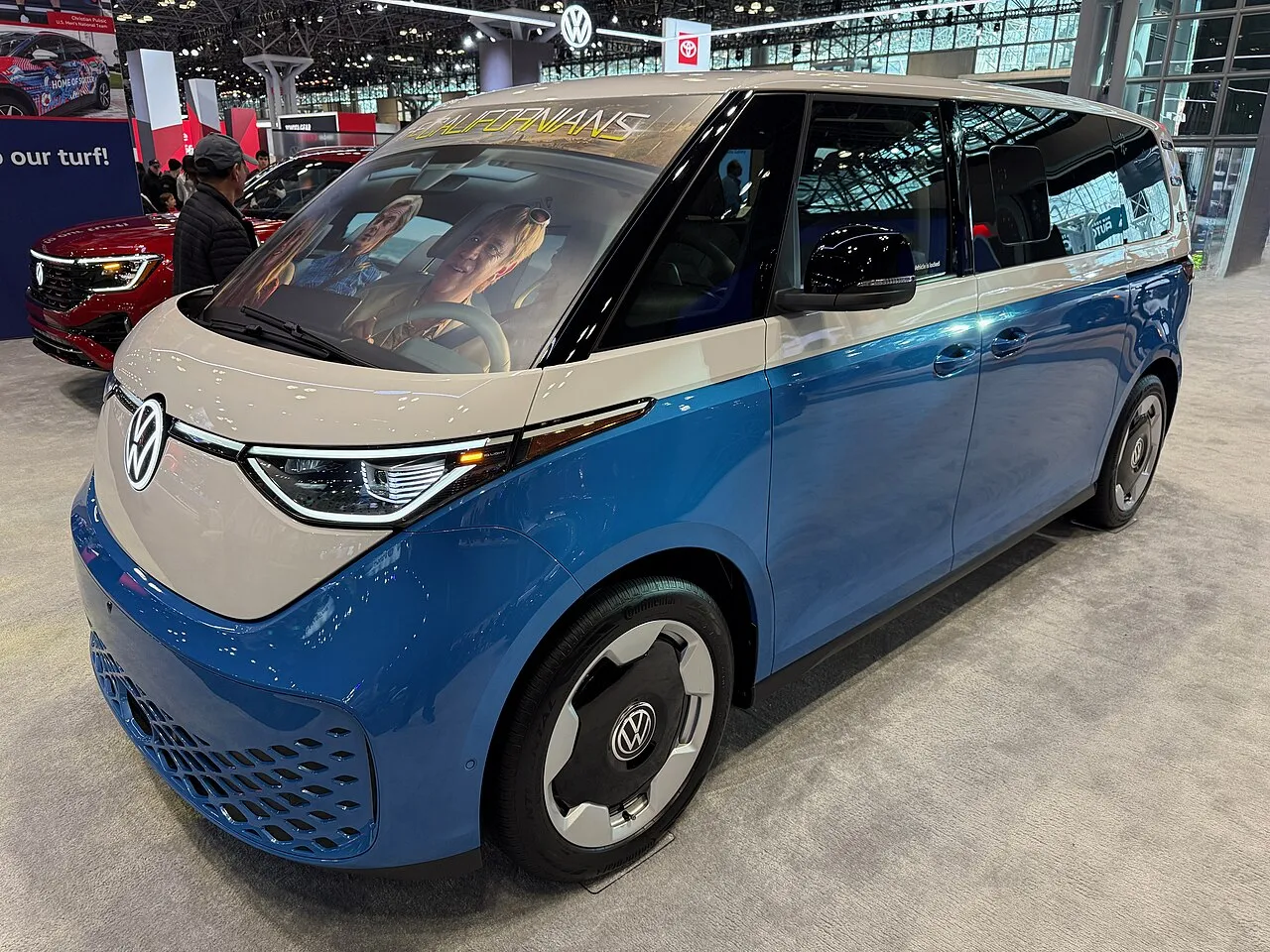
How the Volkswagen ID. Buzz Works for Everyday Use
The ID. Buzz pairs a van-like cabin with an electric drivetrain. Here is how its layout can shape passenger access, parking, cargo use and daily trips.
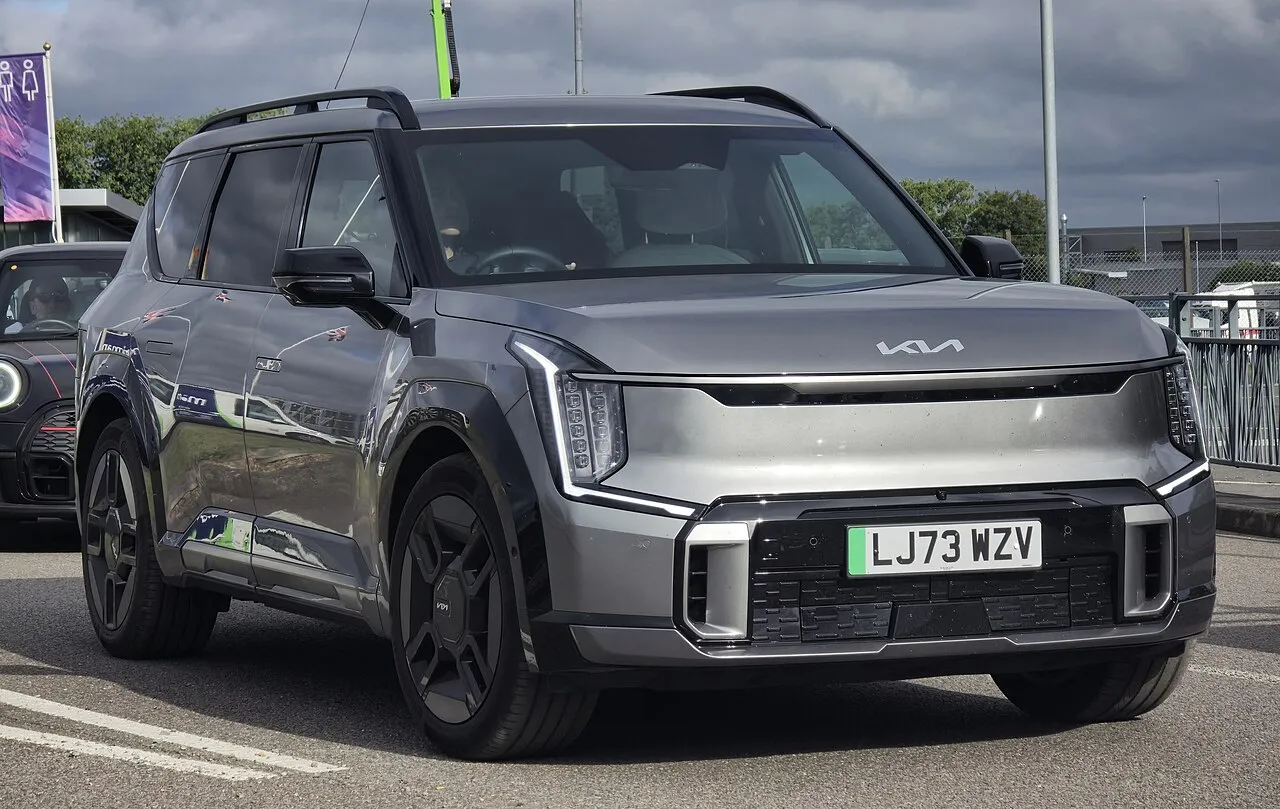
Kia EV9 vs. Volkswagen ID. Buzz: Which Fits a Large Family?
The EV9 offers three rows in an SUV, while the ID. Buzz brings minivan-style access. Compare family seating, cargo flexibility and published range.

How to Choose an EV for School and Sports Runs
Choose an EV by checking how easily passengers get in, whether sports gear fits, and how reliably you can recharge between short trips and activities.