U.S. Grid Shift Cuts Coal Power for Tesla Model 3 Charging
Coal generation fell 39% from 2017 to 2025 as renewables grew, according to Not a Tesla App. The shift changes the electricity used to charge an older EV.
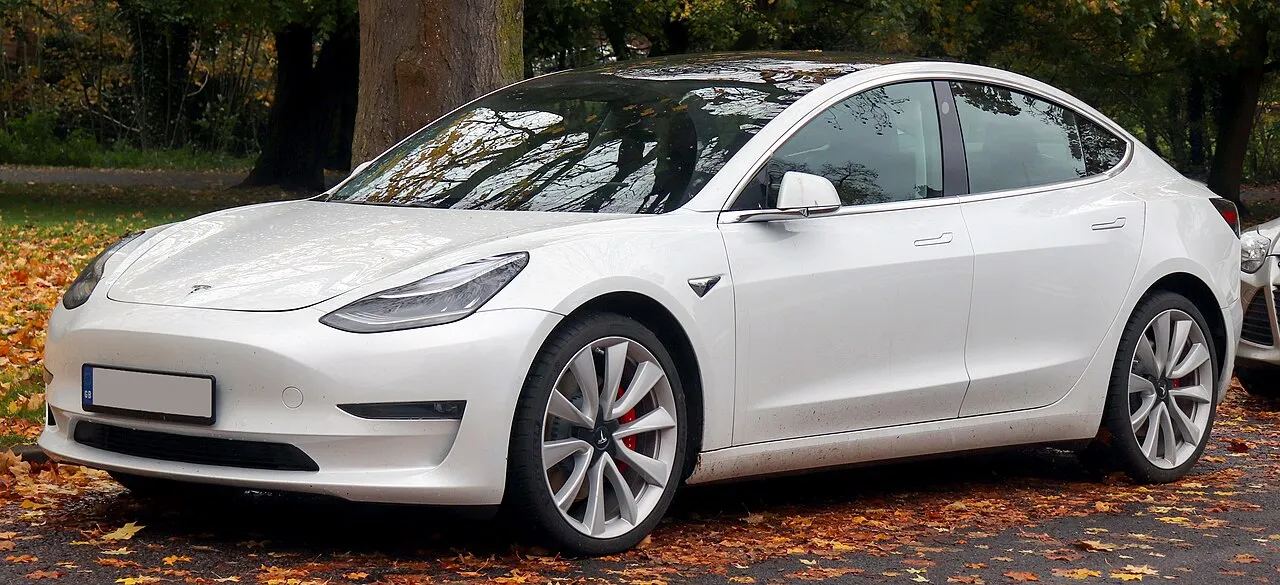
The short answer: The U.S. grid produced less electricity from coal and more from renewables in 2025 than it did when Model 3 deliveries began in 2017, according to Not a Tesla App. That can reduce the emissions associated with charging an existing EV, though the national figures do not establish the emissions from any particular charging session.
An electric car can stay in the same driveway while the electricity used to charge it changes. According to Not a Tesla App, U.S. coal generation fell about 39% between 2017, when Tesla Model 3 deliveries began, and 2025. Over the same period, renewables took a larger share of national utility-scale generation. For an EV owner, the shift means the emissions associated with charging can change over the car’s life without changing the car itself.
The comparison covers 2017 and 2025 because full-year 2026 figures were not yet available when Not a Tesla App reported the figures. It describes the national electricity mix, rather than the power reaching any one home or charging station. That distinction matters for buyers assessing an EV’s environmental impact: the car determines how much electricity it uses, while electricity generation helps determine the emissions associated with producing that energy.
What changed on the U.S. grid
Renewables, including wind, solar, hydro, geothermal and biomass, accounted for about 17% of U.S. utility-scale generation in 2017 and about 24% in 2025, according to Not a Tesla App’s account of U.S. Energy Information Administration figures. Including nuclear power, sources that do not burn fuel accounted for close to 42% of generation in 2025, up from 37% in 2017. Those percentages show a change in the mix of power plants generating electricity, even as the country produced more electricity overall.
Total U.S. utility-scale generation rose from about 4.04 billion megawatt-hours in 2017 to 4.43 billion megawatt-hours in 2025, according to Not a Tesla App. The increase puts the change in shares into context. Renewables gained ground during a period of higher total generation; the shift was not simply the result of the country generating less power. The outlet also expects demand to grow as AI data centers use more electricity, although future demand does not determine what the generation mix will be.
Coal accounts for the largest drop cited in the report. Not a Tesla App puts U.S. coal generation at roughly 1.21 billion megawatt-hours in 2017 and 735 million megawatt-hours in 2025, a decline of about 39%. It says coal now generates only about 40% as much electricity as it did in 2002, when it produced more than half of U.S. electricity. For the 2017-to-2025 comparison, the falling coal total is a central reason that an owner cannot assume today’s charging-related emissions match those from the car’s first year.
The grid did not make the transition by replacing every fuel-burning source. According to Not a Tesla App, natural gas passed coal as the largest U.S. electricity source around the middle of the last decade and has continued to grow. Nuclear output has remained almost flat since the early 2000s, the outlet says, but it now exceeds coal generation because coal output fell. Nuclear briefly overtook coal in 2019 and has stayed ahead since 2022, according to the report.
Wind and solar’s contribution
Not a Tesla App reports that U.S. wind generation grew about 81% between 2017 and 2025. Wind has also exceeded coal generation in some individual months, including months in spring 2024 and early 2026, according to the outlet’s account of EIA monthly figures. Those monthly results show that the ranking of electricity sources can change through the year. They do not mean wind produced more electricity than coal over an entire year.
Solar grew from a smaller starting point. Utility-scale solar generation increased more than fivefold between 2017 and 2025, according to Not a Tesla App. Counting rooftop solar as well, total U.S. solar generation rose from about 77 million megawatt-hours in 2017 to more than 393 million megawatt-hours in 2025, the outlet reports. The distinction between utility-scale and total solar is relevant when reading the figures: the renewable shares above concern utility-scale generation, while the larger solar totals also count rooftop systems.
Taken together, the figures describe why the same EV can have a changing electricity-related footprint over time. Charging still draws electricity, and the sources used to produce electricity still matter. But a car bought when coal contributed more to U.S. generation is operating in a country where coal contributes less. The national trend gives an owner context for how charging has changed; it cannot, by itself, calculate the emissions from charging at a particular address or time.
What it means for a Model 3 owner
The Model 3 makes the timeline concrete because its deliveries began in July 2017, according to Not a Tesla App. A car delivered then would have been charged during the earlier electricity mix. If that car is still in use, its charging takes place against a later mix in which renewables account for a larger national share and coal generation is lower. The change occurs outside the vehicle, so it does not require a battery replacement, a new motor or a software update to affect the electricity associated with driving.
Driving range and electricity consumption are separate considerations. Not a Tesla App notes that an EV battery may lose some of its maximum range as it ages, while the vehicle uses about the same amount of energy per mile. In that account, a decline in the distance available from a full charge does not itself explain the change in charging-related emissions per mile. The question here is how the electricity consumed for each mile is generated, alongside how much energy the car uses.
The electricity trend does not make EV use free of emissions. Not a Tesla App acknowledges emissions from electricity generation and the footprint of building a battery. It also argues that EVs come out ahead of gasoline cars over their lifetimes on the current grid mix because electric motors convert more of their energy into motion. That is the outlet’s broader lifetime assessment; the generation figures alone do not give a lifetime emissions result for a specific Model 3.
For buyers weighing an older EV against a newer one, the grid figures speak to one part of the decision rather than a complete ownership calculation. They show that an existing car can benefit from changes in electricity generation while it remains on the road. They do not establish the condition of its battery, its charging costs or the emissions from manufacturing a replacement vehicle. Those questions require information beyond national generation totals.
What happens next
The direction of future charging-related emissions depends on how electricity generation changes after 2025. Not a Tesla App argues that continued coal declines and growth in wind and solar would make an EV cleaner to operate over time. That is a conditional outlook, rather than a measured result for future years. Rising electricity demand adds another consideration: maintaining a growing share for lower-emission generation would require those sources to keep pace with a larger amount of power use.
For now, the clearest finding is the historical one. According to Not a Tesla App, the United States generated more electricity in 2025 than in 2017, yet generated substantially less of it from coal and a larger share from renewables. An EV’s lifetime footprint still includes its manufacture and the electricity used wherever it charges. The changing national mix shows why the charging portion of that footprint need not stay fixed at the level it had when the car was bought.
Frequently asked questions
Did U.S. coal generation fall after Model 3 deliveries began?
Yes. According to Not a Tesla App, it fell about 39%, from roughly 1.21 billion megawatt-hours in 2017 to 735 million in 2025.
How much U.S. utility-scale electricity came from renewables in 2025?
About 24%, up from about 17% in 2017, according to Not a Tesla App.
Does the national grid mix show the emissions from charging at my home?
No. The national figures describe U.S. generation overall; they do not establish the electricity sources or emissions for a particular charging session.
Did solar generation increase between 2017 and 2025?
Yes. According to Not a Tesla App, utility-scale solar generation grew more than fivefold, while total solar generation including rooftop systems rose from about 77 million to more than 393 million megawatt-hours.
Related stories

How Shared Solar Affects EV Charging and Your Electric Bill
A shared solar or community energy plan can change how clean electricity is credited to your account. Check billing rules, charging hours and allocation details.
When Is EV Charging Cleanest? Why Time and Location Matter
Charging an EV at night can lower electricity costs without cutting emissions. The cleaner choice depends on local generation, grid conditions and timing.

Study Finds Climate Benefit in Replacing Gas Cars With EVs
A new study finds that switching from a working gas car to an EV can cut lifetime emissions, even after accounting for the emissions from building the new vehicle.