How Shared Solar Affects EV Charging and Your Electric Bill
A shared solar or community energy plan can change how clean electricity is credited to your account. Check billing rules, charging hours and allocation details.

The short answer: A shared solar or community energy plan may credit your electricity account without sending renewable power directly to your EV. Check how the credit is calculated, when it applies, and whether your charging schedule or utility rate changes the bill.
A shared solar or community energy plan can reduce or change the cost assigned to electricity use, but it does not necessarily send solar power directly to your home or EV. The panels or renewable project may be connected elsewhere on the electric grid, while your utility continues delivering electricity and applying plan credits to your account. Before relying on a projected charging cost, check how credits are calculated, when they appear, which charges they offset, and whether your electricity rate rewards charging at particular times.
The details depend on the plan and the utility’s billing rules. Some arrangements show a credit on a utility bill; others involve a separate provider or a different account process. The word “solar” alone does not explain how the bill works. Read the agreement and a sample bill, and ask the utility or plan administrator how an EV’s added electricity use is treated.
Understand what the plan changes
Shared solar generally means that customers subscribe to or otherwise receive an allocation associated with a renewable energy project that is not on their own roof. Community energy plans can use different arrangements, so confirm what the specific plan calls a subscription, allocation, credit or benefit. In many arrangements, the project contributes electricity to the grid and the customer receives a billing credit under the applicable program. The credit is an accounting entry; it does not identify which electrons reach a particular home.
Your EV draws power through the home’s electrical service, and the utility measures that consumption under its normal metering and rate rules. The shared energy arrangement may affect the bill calculation without changing the physical path of electricity to the charger. That distinction matters if you expect to charge only when the community solar project is generating. The project’s generation time does not necessarily control when a credit is applied or when your home receives electricity.
Find out whether the arrangement is a utility program, a subscription with another provider, or a combination. Check whether you receive one bill or separate statements, what account the credit applies to, and whether you must keep a utility account in good standing to receive it. Confirm who handles questions about a missing credit and how the plan changes if you move, change accounts or stop participating.
Read the bill as separate parts
An EV can increase the electricity recorded at your home, but a credit may cover only certain parts of the bill. Separate the charges into categories: electricity used, delivery or grid service, fixed account charges, taxes or other adjustments, and any community energy credit or subscription charge. The names and treatment of these items vary. Ask which line items the plan can offset and whether any unused credit carries forward, expires, or is settled another way under the program’s rules.
Do not assume that a credit equal to a stated amount of generation will erase the same amount of the total bill. The credit may be calculated using a rate or formula that differs from the price charged for EV consumption. A subscription fee may also appear outside the utility bill. Compare the total amount you pay across all relevant bills with and without the arrangement, using the plan’s actual terms rather than a headline description.
Check how the utility measures energy and how the plan allocates its benefit. If the allocation is based on a share of project output, ask how that share is determined and whether it can change. If the credit depends on your usage or tariff, ask how charging at home affects the calculation. Get clear on the timing: a credit may post in a different billing period from the electricity generation or from the charging session it helps offset.
For a useful comparison, keep the utility bill and any provider statement for the same billing period. Identify the EV charging consumption if your charger or vehicle tracks it, while recognizing that this reading may not match the utility meter exactly. Household loads, charging losses and meter boundaries can affect the difference. The bill total, applicable rate and plan credits determine what you owe; an individual charger reading alone cannot explain the full account balance.
Check when charging is cheapest
A utility’s time-based rates can make the hour of charging relevant to the cost of electricity. Under a time-of-use plan, the price may differ by time period. Other rate designs may apply different rules. Check the rate schedule for the account that serves the charger and confirm which clock, weekdays, weekends or seasonal periods the utility uses. Avoid assuming that solar generation hours automatically mean the lowest price or the best time to charge.
Compare the charging window with the rate schedule and the community energy credit rules. A credit might be calculated separately from the time at which your EV uses electricity. If the credit offsets a bill total rather than a particular charging session, shifting charging to a solar project’s sunny hours may not change the credit. If your rate rewards charging at specific times, a schedule aligned with that rate may matter more to your bill than matching project generation.
Home charging controls can help you set a preferred start time or avoid a rate period, when compatible with the vehicle, charger and utility rate. Check how the schedule behaves after a power interruption or a change to the rate calendar. Keep the vehicle’s departure needs in view: a low-cost window is useful only if the car is ready when needed. If the plan offers a separate charging benefit or managed charging feature, read its terms for timing limits, control requirements and how it appears on the bill.
Ask how energy is allocated
“Allocation” can refer to different things: a customer’s share of project generation, a credit on a bill, or a renewable energy attribute associated with generation. Ask the plan administrator to define the term used in the agreement. Confirm whether the allocation is assigned to your utility account, whether it can change, and what happens when generation is lower than expected or the project is unavailable. Do not treat an allocated share as a dedicated supply that follows your EV or guarantees charging from a particular source.
If the plan describes your electricity as renewable, check what the claim covers and how it is documented. A billing credit and the physical electricity delivered to your home are separate concepts. Ask whether the plan includes any renewable energy certificates or other accounting records, and what those records represent. Use the plan’s exact terms when describing the source of the electricity; avoid claiming that a specific charging session was powered by the shared project unless the arrangement supports that conclusion.
Allocation may also be divided among multiple participating customers or adjusted according to program rules. Confirm whether your share is linked to a specific account or address, whether the account holder must match the subscriber, and whether adding a second meter changes eligibility. These details matter when an EV is charged at a home, apartment or other location that does not have the same account arrangement as the plan subscriber.
Use a practical checklist before enrolling
- Ask for the full rate schedule and a sample bill showing how the credit appears.
- Confirm which charges the credit offsets, when it posts, and how unused credits are handled.
- Check for subscription or administrative charges on separate statements.
- Ask whether the plan changes your utility rate or works alongside your existing rate.
- Confirm whether EV charging affects eligibility, credit calculations or allocation.
- Check account, address, meter and moving requirements.
- Compare the plan’s charging guidance with the utility’s time-based rates and your usual charging schedule.
- Find out who to contact if the credit is missing or the allocation changes.
Keep a copy of the agreement and review an actual bill after the plan begins. Verify that the credit appears as described and that you understand which charges remain. If the bill is hard to reconcile, ask the utility and plan administrator to explain the same billing period, the credit calculation and any separate charges. That conversation can distinguish a delayed or misapplied credit from a charge the plan was never designed to cover.
What the plan can and cannot tell you
A shared renewable plan can change how renewable generation is credited or allocated to a customer, while an EV adds electricity use at the home meter. The relationship between those two things is set by the program and utility rules. A plan may support renewable generation and provide a financial credit, but that does not by itself establish the source of power at the moment the car charges or guarantee a particular reduction in the total bill.
For ownership decisions, focus on the account-level result: the rate for charging, the credit formula, the charges left after credits, and the plan’s separate fees and conditions. Then decide whether a charging schedule is practical under that rate. With those details understood, an EV owner can judge the plan on its actual billing effect and renewable energy accounting, rather than on an assumption that shared solar follows the vehicle’s charging session.
Frequently asked questions
Does shared solar send electricity directly to my EV?
Usually, the project’s generation is connected to the grid and the customer receives a billing allocation or credit. The plan does not necessarily direct specific electricity to a particular home or charging session.
Should I charge my EV when the solar project is producing power?
Not automatically. Check the utility’s rate schedule and the plan’s credit rules; project generation hours may not be the hours with the lowest charging cost.
Can a community energy credit cover my whole electric bill?
That depends on the program. Check which charges the credit offsets, how it is calculated, whether it carries forward, and whether separate subscription charges apply.
What should I compare when checking the plan’s cost?
Compare the utility bill and any separate provider statement for the same period, including charging rates, credits, remaining charges and subscription fees.
Related stories
When Is EV Charging Cleanest? Why Time and Location Matter
Charging an EV at night can lower electricity costs without cutting emissions. The cleaner choice depends on local generation, grid conditions and timing.
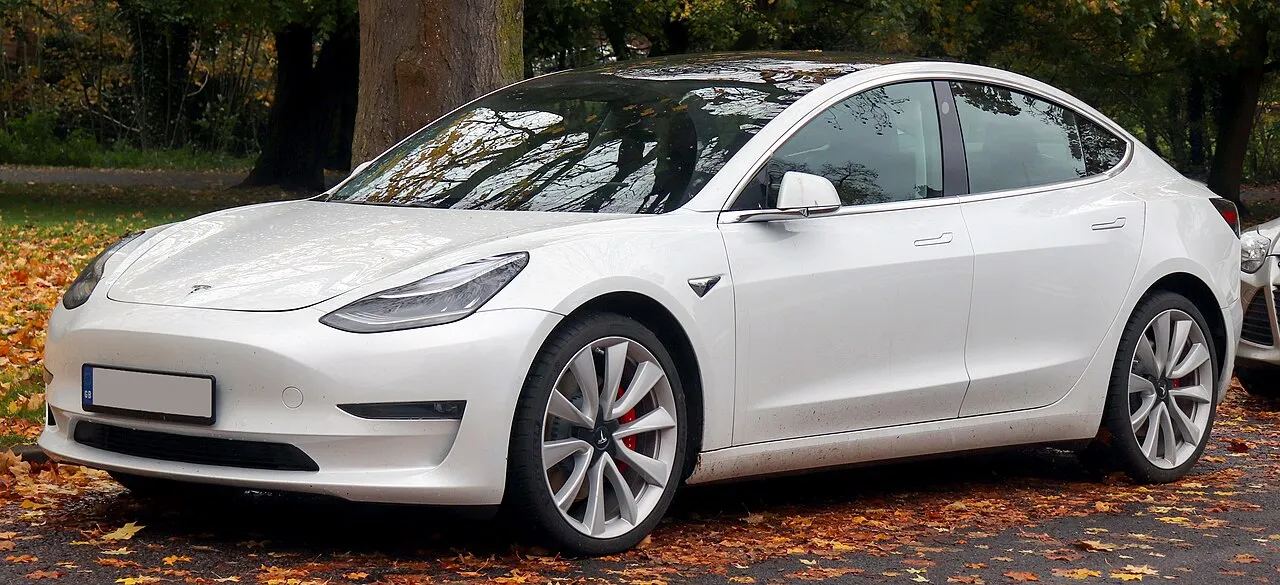
U.S. Grid Shift Cuts Coal Power for Tesla Model 3 Charging
Coal generation fell 39% from 2017 to 2025 as renewables grew, according to Not a Tesla App. The shift changes the electricity used to charge an older EV.

What Everyday Use of the Tesla Cybertruck Requires
The Cybertruck's daily practicality depends on fitting its pickup body to your routes, parking and cargo needs. EPA and NRCan figures cover range and charging.