UK Weighs EV Grid Credits That Could Allow More Gas Car Sales
UK ministers are weighing credits for EVs that send power to the grid, but campaigners warn the plan could let automakers sell more gasoline-powered cars.

The short answer: UK ministers are considering rewarding automakers for installing vehicle-to-grid technology through credits under the zero-emission vehicle mandate, according to Guardian Electric Cars. The proposal could help expand bidirectional charging, but the credits would also let manufacturers sell additional gasoline cars without risking penalties for missing EV targets.
UK ministers are considering incentives for automakers to equip electric cars with technology that sends electricity back to the grid, potentially expanding a way for drivers to lower charging costs and support the power system. But the proposed rewards could also allow manufacturers to sell more gasoline cars without risking fines under the country’s electric-vehicle sales rules, according to Guardian Electric Cars.
The proposal puts two goals of the energy transition in tension: getting more use from EV batteries and increasing the number of electric cars on the road. For buyers, the central question is whether a reward for installing the technology would translate into an accessible service that cuts bills. Driver representatives and environmental campaigners warn that equipment in a car does not, by itself, mean its owner can use it.
How the proposed credits would work
According to Guardian Electric Cars, ministers are examining vehicle-to-grid, or V2G, incentives as part of a review of the zero-emission vehicle mandate. A government consultation that closed on Friday outlined plans under which automakers could earn a credit for selling vehicles fitted with V2G technology, also known as bidirectional charging.
That credit would allow a manufacturer to sell another gasoline car without facing the risk of a fine if it missed the mandate’s zero-emission sales targets, the outlet reported. The proposed incentive therefore has consequences beyond the charging equipment installed in an individual EV: it would also affect how manufacturers comply with sales requirements.
The measure remains under consideration. Guardian Electric Cars also reported that the government is preparing to cut electric-vehicle sales targets under the mandate. The V2G proposal is consequently part of a broader debate over how much flexibility manufacturers should receive as they shift toward electric vehicles.
Environmental groups are bracing for changes that could result in an additional 147 million metric tons of carbon emissions by 2050, according to the outlet. That concern relates to the wider changes to the mandate; it should not be read as an estimate of emissions from the V2G credit proposal alone.
What sending power back would do
V2G allows a vehicle to charge automatically when electricity is inexpensive, such as overnight, and then sell some of that stored electricity back to the grid when demand is high, according to Guardian Electric Cars. The benefit depends on using the battery at different times for different purposes: drawing power during cheaper periods and returning it when the electricity system needs it.
The outlet described a potential role for millions of connected vehicles in balancing renewable generation. Wind and solar output can fall during still, cloudy or dark periods, leaving electricity demand above renewable production. Cars capable of exporting electricity could help fill those gaps and reduce the need to run expensive gas-fired power plants.
Vehicle-to-home, or V2H, technology offers a related use by allowing a car to power its owner’s home. Guardian Electric Cars noted that home batteries can perform the same storage role. The policy interest in EVs comes from the possibility of drawing on batteries in large numbers of vehicles as the technology spreads.
Smart charging already addresses another part of the balancing problem without requiring V2G equipment, the outlet reported. Tariffs can encourage owners to charge when electricity is abundant and cheap, helping reduce the need to pay renewable generators to switch off. Exporting electricity adds a separate capability: a car can return stored energy when demand rises.
Why driver groups question the incentive
The main objection is not to the potential value of bidirectional charging, but to rewarding automakers before drivers actually use it. Ben Nelmes, chief executive of the electric-car transition think tank New AutoMotive, told Guardian Electric Cars that V2G could help balance the grid and lower bills, while arguing that rewards should depend on use rather than installation.
According to Nelmes, the proposals could give manufacturers one or even two extra credits worth around £4,000 each for equipment costing a few hundred pounds. He also said few drivers own the expensive charger needed to use the technology. Those figures are his assessment of the proposed incentives and equipment costs, as reported by the outlet.
That distinction matters to buyers because the proposed manufacturer reward and the driver’s ability to export power are separate questions. A vehicle fitted with bidirectional technology would qualify under the approach described in the consultation, while the charger needed to use it remains a barrier identified by Nelmes. He called for the benefits to reach drivers and electricity customers.
Vicky Edmonds, chief executive of the Electric Vehicle Association England, raised a similar concern about readiness. She told Guardian Electric Cars that the UK has millions of EV drivers, but only a fraction use vehicle-to-grid or storage technologies. Many consumers are still working through more immediate questions about vehicle prices, charging costs and whether an EV meets their daily needs.
Edmonds argued that it is too early to give manufacturers a credit that effectively lets them sell fewer electric vehicles for technology that drivers have not yet tried at scale in real-world use. Her objection focuses on the timing of the policy: the proposed compliance benefit could arrive before widespread consumer participation.
Existing services and the potential scale
V2G is already in use by some drivers. Guardian Electric Cars reported that people sell electricity back through companies including Octopus Energy in the UK, Renault in France and BMW in Germany. Those examples show that the proposal concerns expanding a service with existing users, even as driver representatives question whether adoption is broad enough to justify the credits.
Octopus Energy has claimed that drivers could save £620 a year through its service, according to the outlet. That is a company claim about potential savings, rather than a guaranteed return for every owner of a vehicle capable of exporting electricity.
The longer-term opportunity is substantial in the forecasts cited by Guardian Electric Cars. The National Energy System Operator, which balances Great Britain’s grid, projects that V2G vehicles could offer 1.2 gigawatts of power on demand by 2030, an amount the outlet described as equivalent to a power station.
By 2050, that could rise to as much as 41 gigawatts, enough to meet more than a quarter of peak energy demand, according to the operator’s forecast. These are projections of power available on demand, rather than a measure of electricity already being exported by cars today.
What happens next
With the consultation closed, the unresolved issue is how ministers will shape the mandate review and whether V2G credits will become part of it. The proposal’s central choice is whether installing the capability should earn a compliance reward, or whether the reward should depend on actual use, as New AutoMotive advocates.
For EV buyers, the practical stakes are access to the charging equipment and services that make electricity exports possible, and whether those services deliver savings. For automakers, the proposal could create another route to meeting mandate obligations. The final policy will determine how closely those manufacturer benefits are tied to drivers using their cars to support the grid.
Frequently asked questions
What is vehicle-to-grid charging?
Vehicle-to-grid, or V2G, lets an electric car charge when electricity is cheaper and sell some stored electricity back to the grid when demand is high, according to Guardian Electric Cars.
How could V2G credits allow more gasoline car sales?
According to Guardian Electric Cars, the proposal would reward automakers for selling cars fitted with V2G technology. A credit would allow a manufacturer to sell another gasoline car without risking a fine if it missed the zero-emission vehicle targets.
How much could drivers save with V2G?
Octopus Energy has claimed drivers could save £620 a year through its service, according to Guardian Electric Cars. That is a potential saving claimed by the company, not a guaranteed amount for every driver.
Why do driver groups object to the proposal?
New AutoMotive argues that rewards should depend on actual use because few drivers own the expensive charger needed. The Electric Vehicle Association England says it is too early to award credits that could let automakers sell fewer EVs before drivers use the technology at scale.
How much power could V2G vehicles contribute in Britain?
According to National Energy System Operator forecasts cited by Guardian Electric Cars, V2G vehicles could offer 1.2 gigawatts on demand by 2030 and as much as 41 gigawatts by 2050.
Related stories

How EVs Convert Battery Power for Home and Device Use
Bidirectional charging takes more than an outlet: an EV needs power conversion, control logic and compatible hardware to send energy to a home or device.
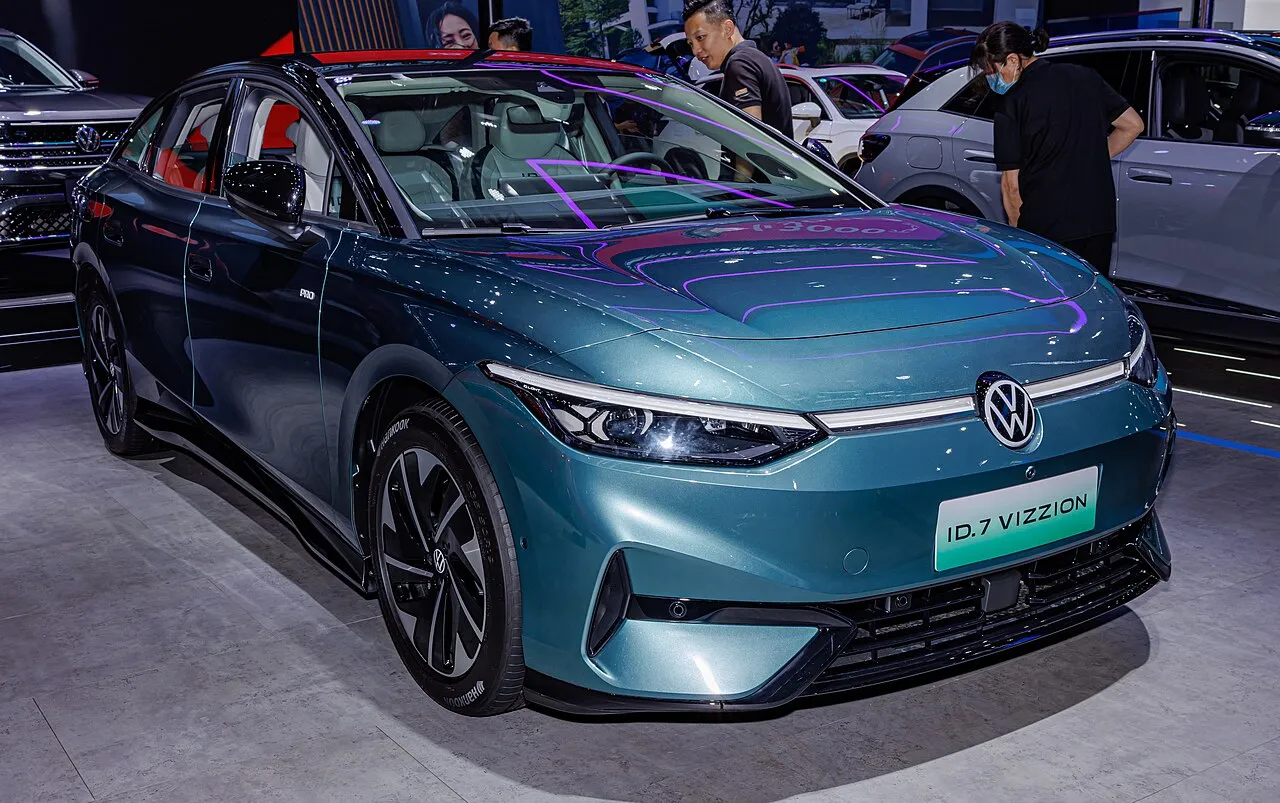
Volkswagen Elli Plans Paid Vehicle-to-Grid Charging in Germany
Volkswagen’s Elli is preparing a German V2G offer that pays owners to keep compatible EVs plugged in, with energy exports paid separately.

How EV Home Backup Cuts Loads to Protect Battery Reserve
An EV backup system can reduce household demand before the battery reaches its reserve. Here is what it can control, what it cannot, and why the settings matter.