Tesla's Europe Driving Update Caps Speed Offset at 10%
Dutch regulators approved a lower speed offset and a new name for Tesla's assisted driving system, addressing two conditions Germany set for an EU-wide vote.
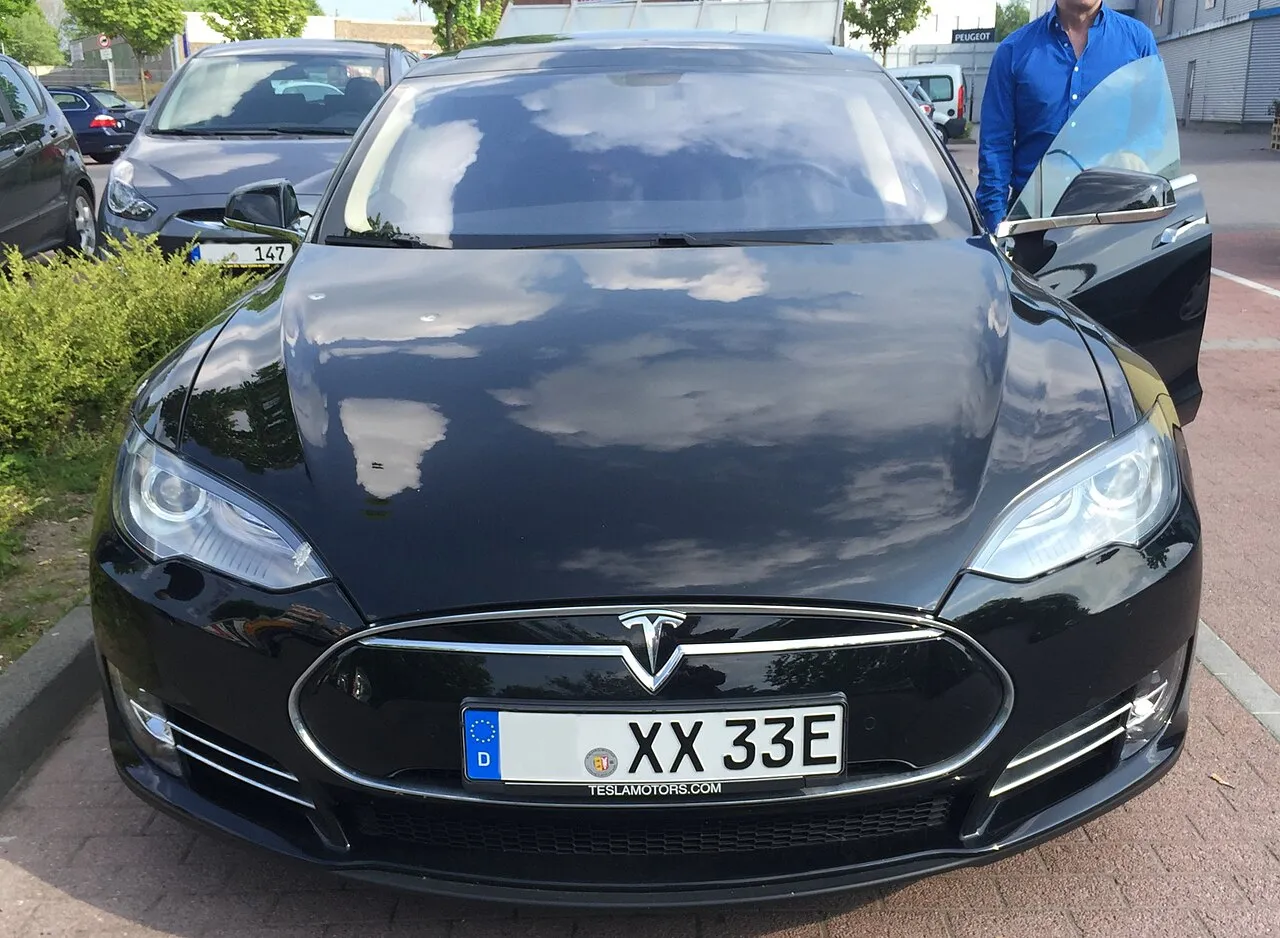
The short answer: The Netherlands' RDW approved an update that caps Tesla's assisted driving speed offset at 10%, resets it to zero at each start and renames the system Tesla Assisted Driving. Approval across the EU remains undecided.
Tesla's assisted driving system in Europe is getting a lower speed offset and a new name ahead of a possible vote on approval across the European Union. According to Not a Tesla App and Electrek, the Netherlands' vehicle authority, RDW, approved an update that cuts the maximum driver-selected offset from 50% above the speed limit to 10%. The system, previously called FSD (Supervised), will appear as Tesla Assisted Driving in the car and its owner information. For buyers and owners, the immediate change is how the system can be set to manage speed. For Tesla, the decision addresses two conditions Germany set for supporting wider approval.
The Dutch decision does not itself authorize the system throughout the EU. Electrek reports that the European evaluation remains with the Technical Committee on Motor Vehicles, or TCMV, and that an EU-wide vote could come in December at the earliest. RDW has said the committee's discussions are confidential. Meanwhile, the Dutch approval remains in force, and the update is intended for HW4 vehicles through an over-the-air software update, according to both outlets.
What changes for drivers
Speed Offset lets drivers choose how far the system may go above the speed limit it detects. According to Not a Tesla App, RDW approved a reduction in the maximum setting from +50% to +10%. Electrek reports that RDW described the margin as a way for the system to deviate from a detected limit for safety and traffic flow. The new cap limits the setting a driver can select; it is not a setting of 10% for every trip. The offset will reset to 0% each time the car starts, according to both outlets.
The scale of the change is substantial. Electrek gives the example of a 100 km/h highway: a 50% offset allowed a setting equivalent to 150 km/h, while a 10% offset corresponds to 110 km/h. In a 30 km/h zone, the same percentages correspond to 45 km/h and 33 km/h. Those examples show what the selected margins mean relative to a detected limit. They do not establish that the car will drive at those speeds on a particular road. They also make clear why the offset attracted attention from authorities concerned about speeding, especially on lower-speed streets.
RDW also said other speed-related functions will be disabled by default, according to both outlets. Electrek reports that the authority did not identify those functions. Drivers therefore have a clear description of the new maximum offset and its reset behavior, but no equally specific account in RDW's announcement of what the other default changes cover. The approved update concerns the system's settings and presentation; the Dutch authority said its review found no adverse or unintended effect on how the system works or the vehicle drives.
The new name will appear on the touchscreen, in the owner's manual and in other driver information on HW4 vehicles, according to Electrek and Not a Tesla App. Electrek reports that RDW said the rename does not change the system's function: it remains driver assistance, with the driver responsible. That distinction matters for anyone interpreting the name shown in the car. A name change accompanying a software update does not turn the system into autonomous driving or transfer responsibility away from the person behind the wheel.
Why Germany and other countries were concerned
Germany made both changes conditions for its support. According to Electrek, Germany's Transport Ministry said on October 6 that it would back EU approval after Tesla agreed to drop the Full Self-Driving name, which the ministry considered misleading, and cap speed tolerance at 10%. Not a Tesla App likewise reports that Germany sought the rename and the lower offset before the anticipated vote. RDW's approval means those requested changes have cleared the authority responsible for the original Dutch approval. It does not mean other governments have agreed to support an EU-wide decision.
European concerns have not been identical. Electrek reports that Sweden asked the EU in June to reject the system unless Tesla removed the option to set a speed above the posted limit altogether. A 10% cap still permits a setting above that limit, so the Dutch update does not meet Sweden's stated request. Electrek also reports that France has cited urban speeding among its reasons for declining to recognize the Dutch approval. Those positions leave open how the countries will assess the revised settings when the wider decision comes before them.
Electrek cites testing by a Brussels pedestrian safety group that found the system speeding in 55% of the 30 km/h segments the group tested in September. That is the group's reported finding, rather than an assessment of the newly approved update. It also concerns driving behavior, while RDW's announced change limits a selectable margin. Keeping those points separate matters: reducing the maximum offset addresses one way a driver could allow a higher speed, but the reports do not establish how the revised system will perform in the road situations that prompted the group's concern.
The offset is tied to the limit the system detects, according to Electrek's account of RDW's description. A cap expressed as a percentage of that detected limit is therefore different from a guarantee about speed relative to every posted sign. The two outlets report RDW's approval of the revised settings and its finding of no adverse effects; neither reports a new road test establishing how often the updated system identifies limits correctly. For owners, the concrete approved changes are the lower selectable maximum, the zero reset at startup, the default status of other speed functions and the new name.
Where approval stands
RDW first approved the system in April. Electrek dates the Dutch approval to April 10 and reports that RDW reviewed the changes within the existing type approval, without amending or extending it. Not a Tesla App reports that RDW found no negative or unintended effects and concluded that the existing approval could remain valid under the same conditions. That allows the update to proceed under the Dutch decision while the separate EU-wide evaluation continues.
RDW has notified the nine other member states that recognize its approval, according to Electrek: Belgium, Croatia, Czechia, Denmark, Estonia, Latvia, Lithuania, Slovakia and Slovenia. With the Netherlands, that makes 10 countries. Not a Tesla App also reports 10 approvals and identifies Latvia as the latest country to join. Owners in countries with independent approval should see the name and speed offset changes in an upcoming update, according to Not a Tesla App. Neither outlet gives a date for when individual vehicles will receive it.
Support from other governments could affect the EU-wide outcome, but it is distinct from an individual country's existing approval. Not a Tesla App reports that Italy supports approval across the bloc after Deputy Prime Minister Matteo Salvini spoke with Elon Musk, although Italy has not approved the system on its own. Germany has set out conditions under which it would support the broader decision. Electrek reports that the vote requires a qualified majority of at least 15 of the EU's 27 member states representing at least 65% of its population. The 10 countries recognizing the Dutch approval do not, by themselves, satisfy that country threshold.
What happens next
Tesla can deliver the RDW-approved changes to HW4 vehicles over the air, according to both outlets. Owners receiving the update should see Tesla Assisted Driving in the car's information and a Speed Offset that cannot be set above 10% and returns to zero when the car starts. The reports do not give a rollout schedule for each country or vehicle. The next broader decision belongs to the EU process, where member states will consider whether to extend approval across the bloc.
December is the earliest timing Electrek gives for a vote; Not a Tesla App also reports expectations of a December vote. RDW says the TCMV discussions remain confidential, so the revised settings cannot be treated as a forecast of the result. Germany's conditions have been addressed, while Sweden's request for no above-limit setting has not. Until an EU-wide decision is made, the practical effect is an update to the system operating under the Dutch approval and the approvals recognized by nine other countries.
Frequently asked questions
What is Tesla's new maximum Speed Offset in Europe?
RDW approved a maximum setting of 10% above the detected speed limit, down from 50%. The setting resets to 0% whenever the car starts.
What will FSD (Supervised) be called in European cars?
The approved update changes the name shown in the car and owner information to Tesla Assisted Driving. RDW says the rename does not change the system's function or the driver's responsibility.
Has Tesla Assisted Driving been approved across the EU?
No EU-wide approval has been announced. The Netherlands and nine other member states recognize the Dutch approval, while a separate EU-wide evaluation continues.
When could the EU vote on wider approval?
Electrek reports that a vote could come in December at the earliest. RDW says the committee discussions are confidential.
Related stories
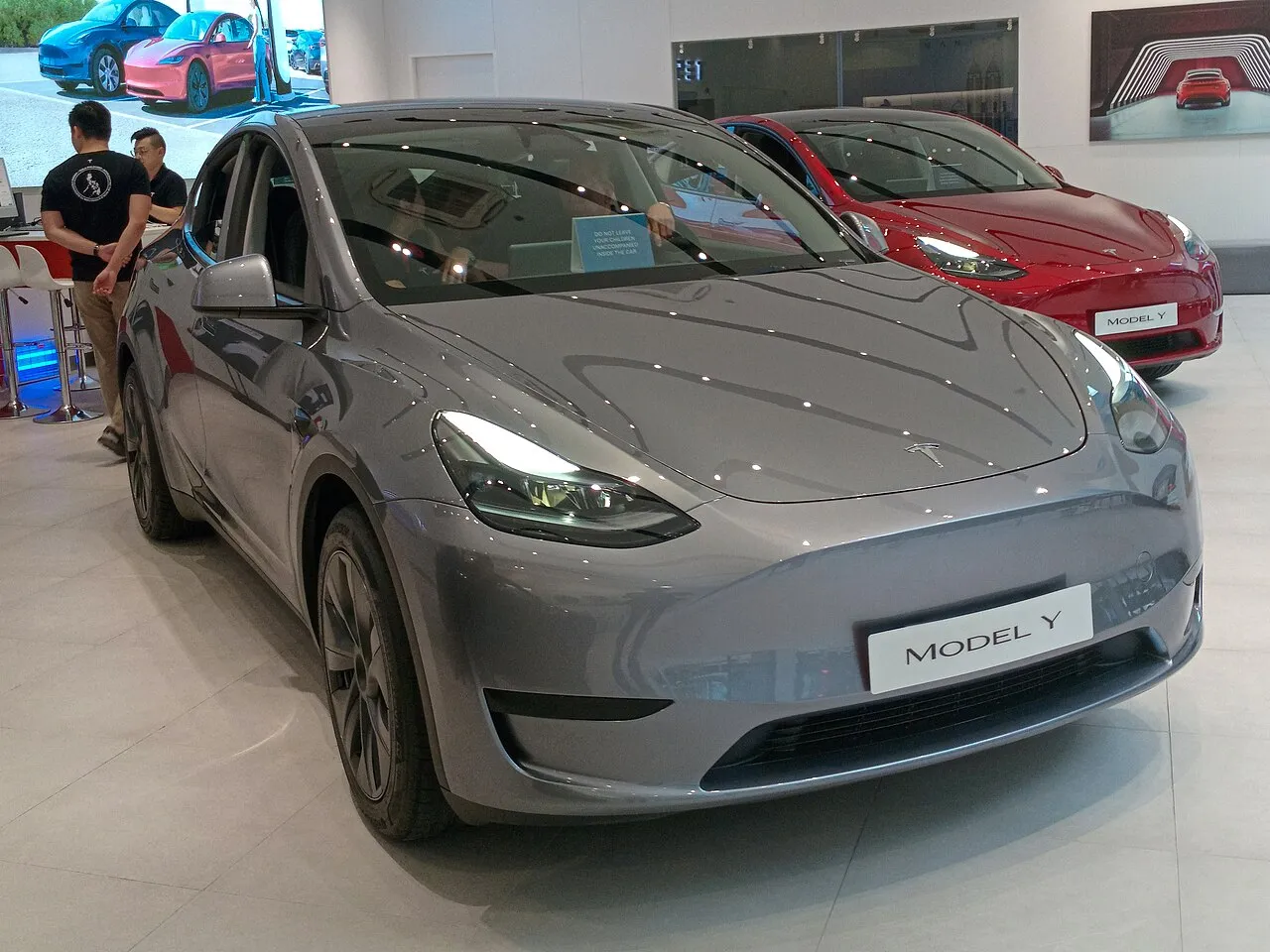
Italy Approves Tesla’s Supervised Driving System for Road Use
Italy has approved Tesla’s supervised driving system, expanding its reported European reach to 12 countries and bringing the company closer to a broader EU vote.
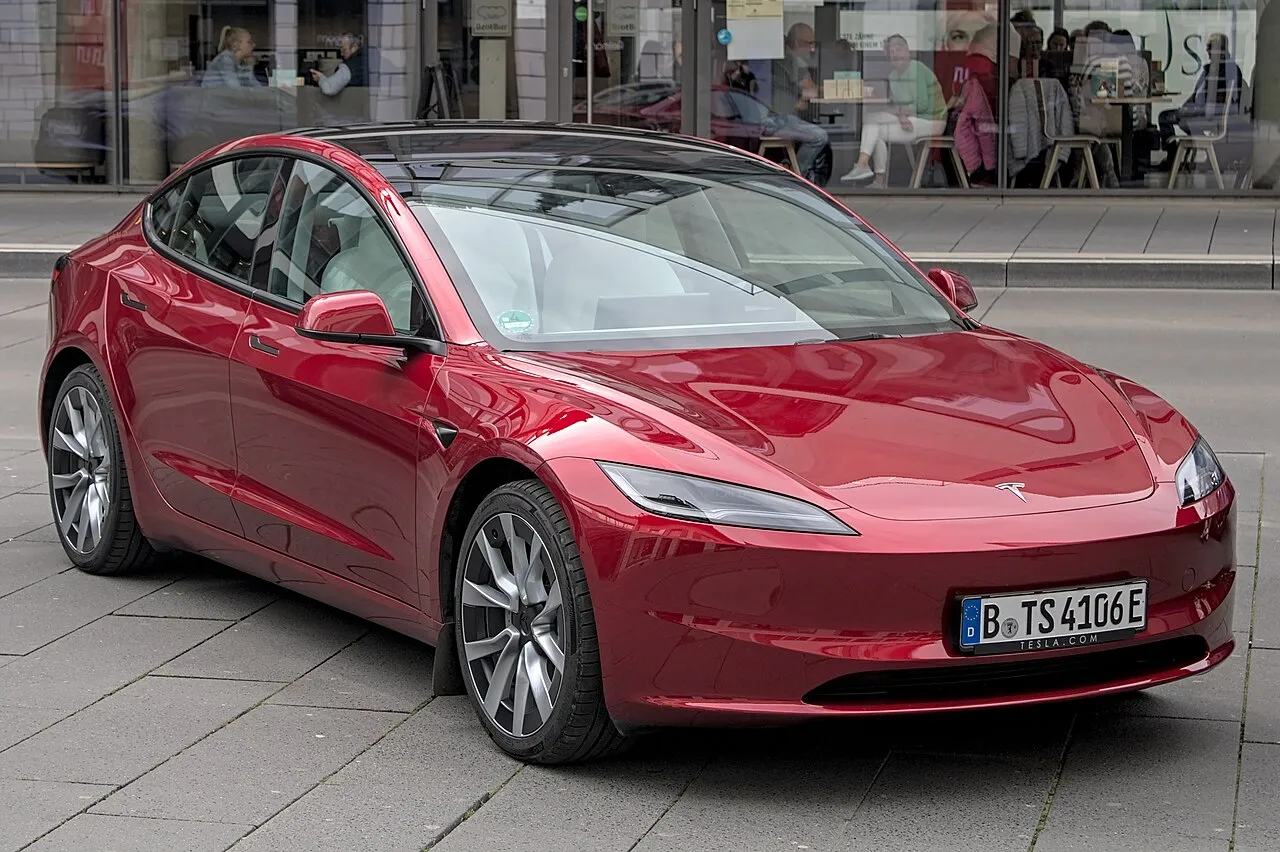
EU Delays Tesla Assisted Driving Vote to December 15
An EU committee has moved its Tesla Assisted Driving meeting to December 15. A vote could still slip into 2027, leaving national approvals at risk.
Finland Approves Tesla Assisted Driving for Rollout
Finland has recognized a Dutch approval for Tesla Assisted Driving, allowing a local rollout soon while drivers remain responsible for the car.