Tesla to End Cybertruck Production for Cybercab Expansion
Tesla plans to stop building the Cybertruck in 2027 and use its factory space for Cybercabs, ending a pickup that sold far below its original ambitions.
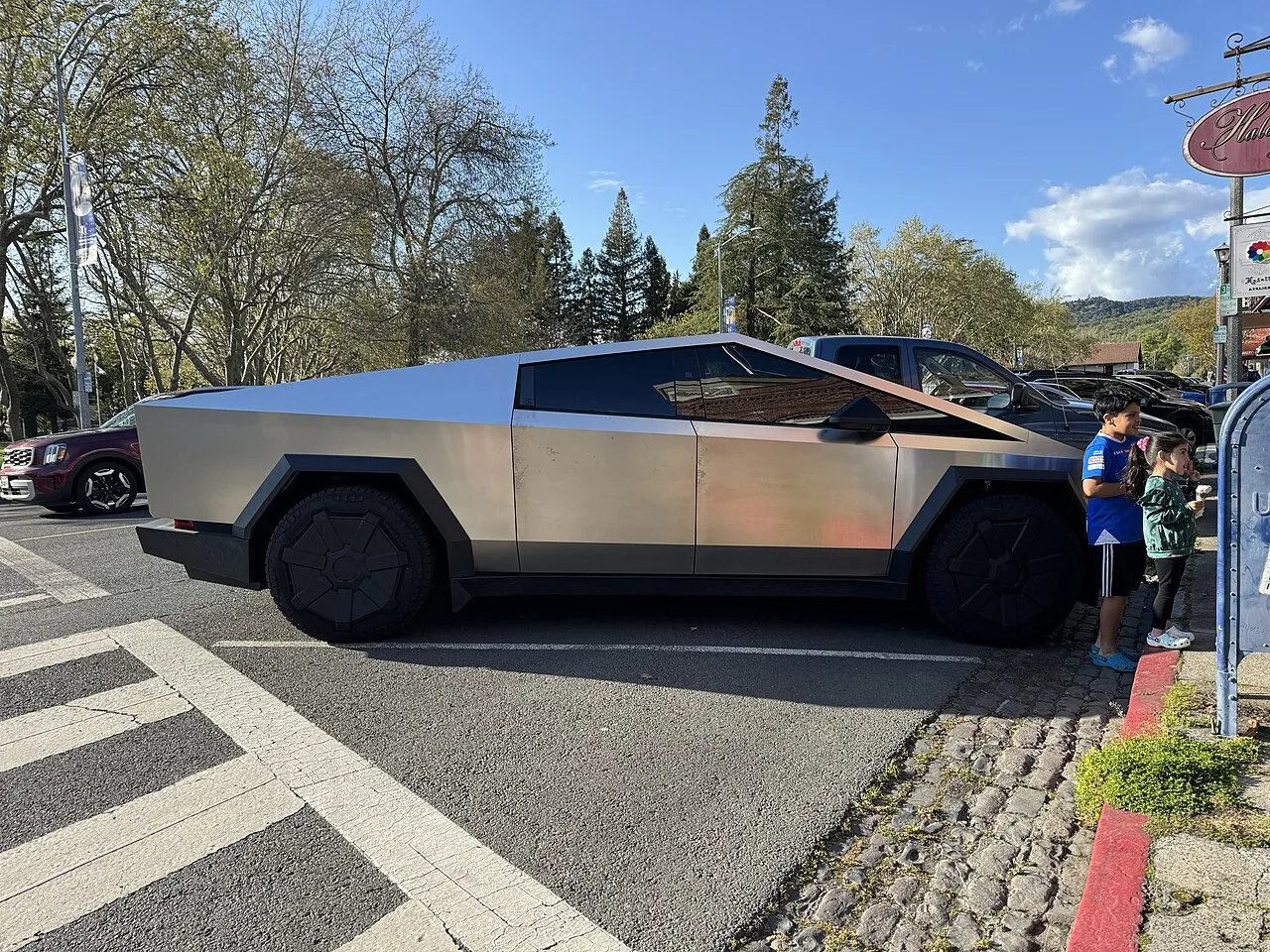
The short answer: Tesla plans to stop making the Cybertruck in 2027. CEO Elon Musk said its factory space will be used to build more two-seat Cybercab robotaxis, according to TechCrunch Transportation.
Tesla plans to end Cybertruck production in 2027 and use the factory space to build more Cybercab robotaxis, according to TechCrunch Transportation. For EV buyers, the decision gives a planned end point to one of the market’s most recognizable electric pickups. For Tesla, it shifts space away from a vehicle that sold far below the company’s early ambitions and toward its robotaxi program.
CEO Elon Musk announced the plan on X, TechCrunch Transportation reported. The outlet said Tesla has sold only tens of thousands of Cybertrucks in total over the roughly three years since the first customer handovers in late 2023. When those deliveries began, Musk predicted annual sales of around 250,000. The gap between that forecast and the truck’s reported sales helps explain why Tesla is assigning its factory space to a different product.
The announcement establishes a year for ending production, but it does not establish the final day a Cybertruck will leave the factory. TechCrunch Transportation did not report a final production total or a date when Cybercab output will increase. Those details will determine how much time remains for new Cybertruck production and how quickly the space can contribute to Tesla’s robotaxi plans.
From a centerpiece of the Texas factory to a planned exit
The Cybertruck once had a prominent place in Tesla’s plans for its Texas factory. Before construction began, the company described the site as the “Cybertruck factory,” according to TechCrunch Transportation. That description reflected the importance Tesla assigned to the pickup before it reached customers. Ending its production to make room for Cybercabs marks a substantial change in how Tesla intends to use the space.
Tesla first announced the Cybertruck in 2019. Musk had spoken enthusiastically about making a pickup, and its angular, steel-clad appearance reflected the science-fiction design influence he wanted, TechCrunch Transportation reported. At the reveal, Tesla said the truck would start below $40,000 and offer up to 500 miles of range. Those figures set expectations for an unusually priced, long-range electric pickup, alongside its unconventional appearance.
The production truck arrived later and with different numbers. Its launch was delayed by two years, in part because of the COVID-19 pandemic, according to TechCrunch Transportation. When Tesla handed over the first Cybertrucks in late 2023, the base price was around $60,000, while the highest range figure was more than 100 miles below the 500-mile target announced at the reveal. Those are comparisons between Tesla’s early promises and the vehicle described at launch, rather than a current price or an EPA range rating.
Price and range mattered because they were among the concrete claims buyers could weigh against the truck’s distinctive design. TechCrunch Transportation reported that the higher-than-expected price and polarizing appearance accompanied weak sales. Its account does not establish how much each factor contributed to the result, but the reported total of tens of thousands stands well below the annual pace Musk had predicted when deliveries began.
The Cybertruck also became closely associated with Musk in public life. TechCrunch Transportation noted that, during the truck’s first full year of sales in 2024, Musk became a major financial backer of Donald Trump and that the vehicle became a target for protesters. The outlet reported that protests continued in 2025 as Musk led the so-called Department of Government Efficiency. Those events form part of the truck’s history on the market; the reported sales figures alone do not measure their effect on demand.
Why Tesla wants the space for Cybercabs
The planned replacement reflects Tesla’s broader emphasis on AI, robotics and robotaxis, according to TechCrunch Transportation. The Cybercab is a two-seat vehicle intended for that effort. Musk said Tesla would use the Cybertruck’s factory space to make more of them. The announcement therefore concerns more than the end of one pickup: it identifies the product Tesla wants the space to support next.
Tesla has spent the past two months putting Cybercabs on streets in Austin, Texas, TechCrunch Transportation reported. The outlet said there had been no major incidents to date and that Tesla planned to expand Cybercab operations to other cities, beginning with Dallas later in November 2026. That is an operating plan reported at the time of the announcement, not a schedule for when Cybercabs made in the Cybertruck’s space will enter service.
Cybercabs are one part of Tesla’s robotaxi activity. TechCrunch Transportation also reported that the company operates robotaxi versions of the Model Y SUV in Austin, Houston and Dallas, as well as three cities in Florida. Distinguishing those vehicles matters: Tesla’s existing Model Y robotaxi operations do not mean Cybercabs have reached all the same locations. The reported Cybercab rollout begins with Austin, with Dallas identified as the next planned expansion.
The Model Y also remains a passenger EV with published US range ratings. For example, the US EPA rates the 2027 Model Y AWD at 294 miles and the 2027 Model Y RWD at 321 miles. Those EPA figures describe particular Model Y trims; they are not Cybercab ratings and do not establish a Cybercab’s range. Tesla’s decision to devote more factory space to Cybercabs comes while it is using Model Ys in its robotaxi operations.
Another production decision tied to robotics
The Cybertruck is the third product Tesla has decided to discontinue to support its wider ambitions, according to TechCrunch Transportation. Earlier in 2026, the company decided to end production of the Model S sedan and Model X SUV and use the space assigned to those vehicles to make Optimus humanoid robots. The Cybertruck decision follows the same broad pattern: Tesla is reallocating vehicle production space to a robotics project.
The Model S and Model X decisions provide context for Tesla’s priorities, though they involve a different intended use of factory space. Optimus robots are the planned use for space previously dedicated to those vehicles; Cybercabs are the planned use for the Cybertruck’s space. Together, the decisions show how Tesla is changing the role of factories that had been assigned to established passenger vehicles and its electric pickup.
For shoppers considering the Cybertruck, the immediate fact is the announced end of production in 2027. TechCrunch Transportation did not report a final ordering date or how many more trucks Tesla expects to build before then. The truck’s announced exit also does not establish whether vehicles already built will remain available after production ends. Those questions depend on details Tesla has yet to announce.
The next milestones are the expansion Tesla has outlined for Cybercab operations and the eventual changeover in the Cybertruck’s factory space. According to TechCrunch Transportation, Dallas was the first city identified for an expansion beyond Austin, with a start planned for later in November 2026. For now, Tesla has stated the direction of the shift: a pickup once expected to sell around 250,000 units a year is set to leave production so the company can build more two-seat robotaxis.
Frequently asked questions
When will Tesla stop making the Cybertruck?
Tesla plans to stop Cybertruck production in 2027, according to TechCrunch Transportation. A final production date was not reported.
What will Tesla make in the Cybertruck’s factory space?
Tesla plans to use the space to build more two-seat Cybercab robotaxis, according to TechCrunch Transportation.
How many Cybertrucks has Tesla sold?
TechCrunch Transportation reported sales of tens of thousands in total since deliveries began in late 2023. It did not report a precise total.
Where are Cybercabs operating?
Tesla has put Cybercabs on streets in Austin, Texas, and planned to expand operations to Dallas later in November 2026, according to TechCrunch Transportation.
Related stories

Denver Man Repeatedly Boxes In and Eggs Waymo Robotaxis
Waymo says one man has egged its Denver robotaxis at least 30 times after trapping them with traffic cones. Each reported vehicle needed cleaning.

Lucid Begins Driverless Gravity Testing in the Bay Area
Lucid, Uber and Nuro have begun driverless Gravity SUV tests in four Bay Area cities, a step toward planned paid rides in early 2027.
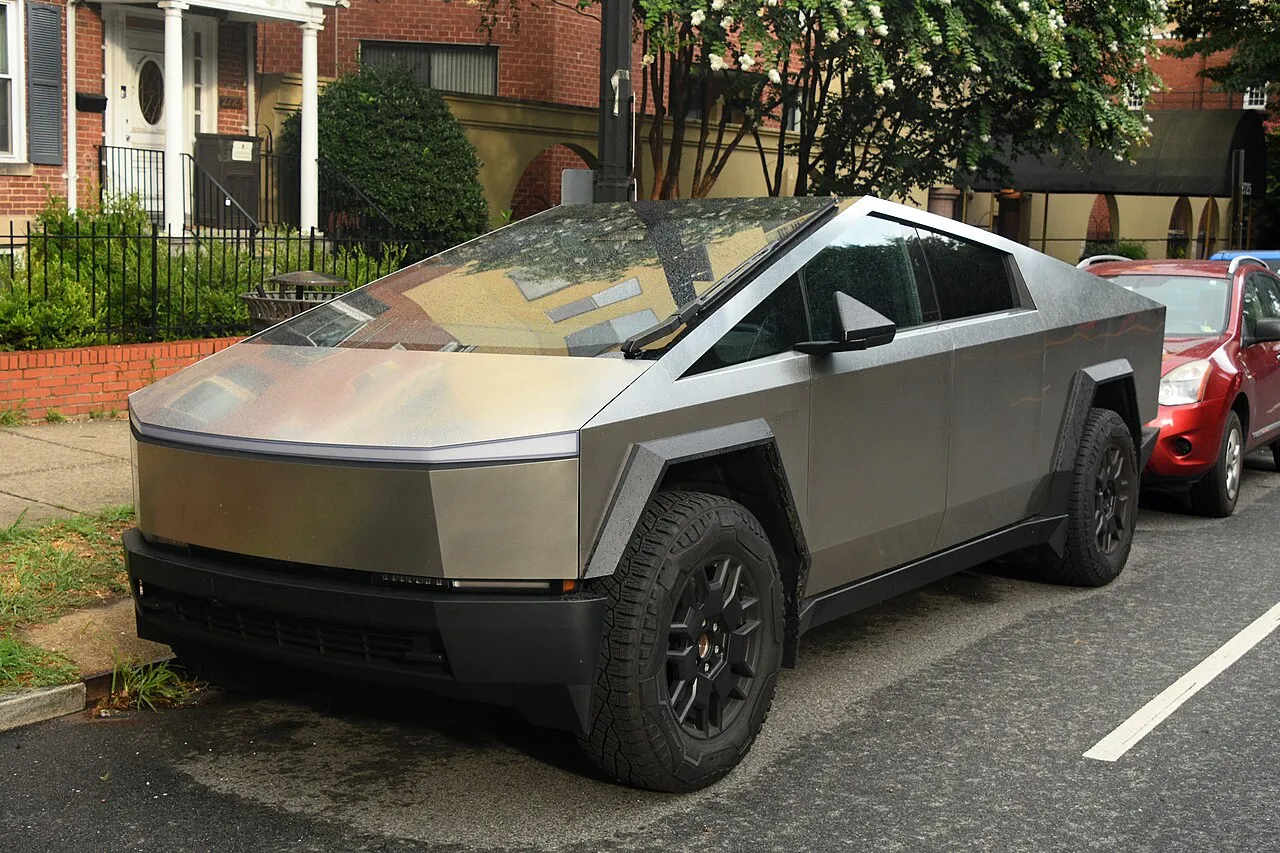
Tesla Offers Cybertruck Owners Refunds for PCS Repairs
Tesla is offering parts, labor and tax refunds to some 2024 and 2025 Cybertruck owners who paid to replace a failed power conversion system.