Tesla Model 3 Maintenance: Service Intervals and Extra Checks
Tesla Model 3 maintenance includes tire rotations, filter changes and brake checks. Some longer-term service recommendations go beyond Tesla's schedule.
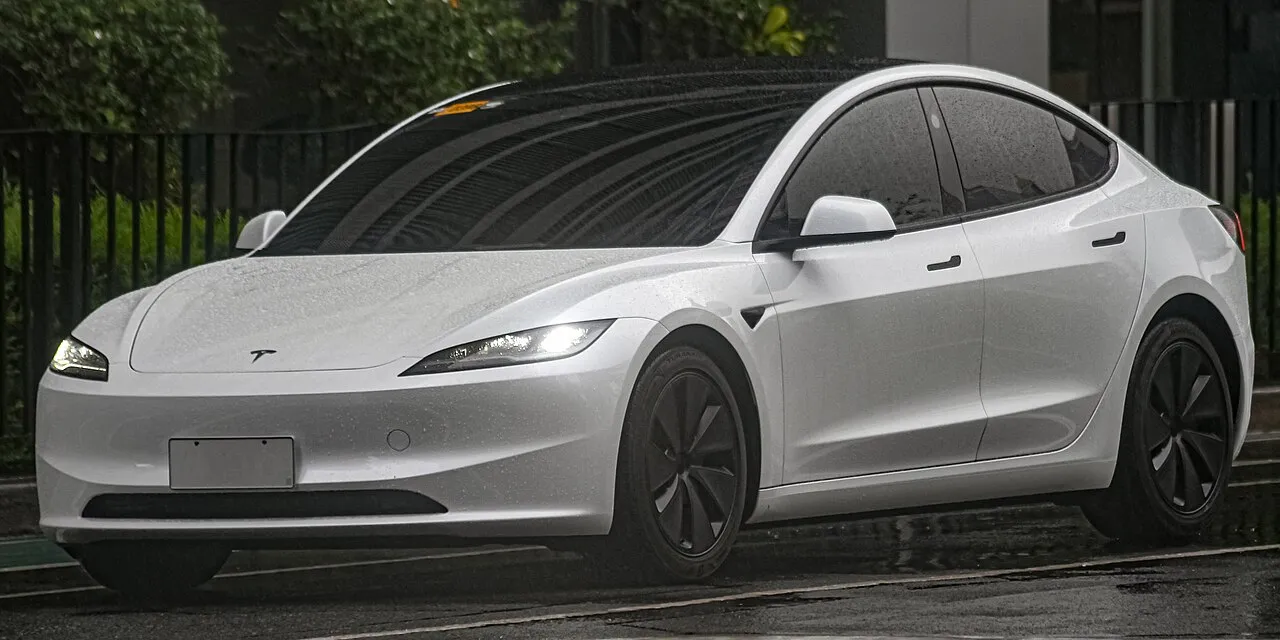
The short answer: According to InsideEVs, Tesla recommends Model 3 tire rotations every 6,250 miles, cabin air filter replacement every two years and brake fluid testing every four years. Additional work depends on conditions and wear, while some technicians recommend drive unit fluid changes outside Tesla's maintenance schedule.
The Tesla Model 3 avoids engine oil changes, but its maintenance needs still include tires, filters, brakes and attention to its cooling system. A maintenance guide from InsideEVs outlines Tesla's recommended service intervals alongside additional work some technicians suggest for long-term ownership. For buyers weighing the electric sedan's running costs, the distinction matters: scheduled maintenance and optional preventive work are different commitments.
According to InsideEVs, Tesla's recommendations combine mileage-based service, time-based checks and work triggered by operating conditions. Tire rotations arrive relatively frequently, while brake fluid testing has a four-year interval. Other jobs, including brake caliper cleaning in areas that salt roads during winter, depend on where the car operates.
The main Model 3 maintenance intervals
InsideEVs reports the following recommendations from Tesla. These intervals cover different components and should be read individually: a brake fluid test, for example, does not automatically mean the fluid needs replacement.
| Maintenance item | Recommended timing |
|---|---|
| Cabin air filter replacement | Every two years |
| HEPA and carbon filter replacement | Every three years, on vehicles equipped with them from the factory |
| Brake fluid test | Every four years |
| Brake caliper cleaning and lubrication in areas with winter road salt | Every year or every 12,500 miles |
| Tire rotation | Every 6,250 miles, or when the difference in tread depth reaches at least 2/32 inch |
| Cleaning inside the windshield in front of the camera | As needed |
The filter recommendations depend on equipment. InsideEVs identifies a two-year replacement interval for the cabin air filter, while the three-year interval applies to factory-installed HEPA and carbon filters. That qualification matters when deciding which service applies to a particular Model 3.
The car also has a way to track routine work. According to InsideEVs, the Maintenance Summary on the central touchscreen records when common maintenance actions were last performed and recommends when they should happen next. It brings those records and reminders together without making every service item follow the same calendar.
Tires require regular attention
Tires are among the most frequent maintenance concerns in the guide. InsideEVs says acceleration and regenerative braking put stress on EV tires, and reports Tesla's recommendation to rotate the Model 3's tires every 6,250 miles. A tread-depth difference of at least 2/32 inch is another trigger for rotation.
Rotation is also an opportunity to inspect the tires themselves. InsideEVs recommends starting to look for replacements when tread depth falls below 4/32 inch, and replacing tires immediately if it falls below 2/32 inch. Those thresholds concern remaining tread, while the rotation threshold concerns the difference in tread depth.
Symptoms can point to work beyond rotation. According to InsideEVs, steering-wheel vibration while driving may indicate that the wheels need balancing. Unbalanced tires can affect handling, tire life and steering components. Pulling to one side with the steering wheel straight, or uneven tire wear, may indicate that an alignment is needed.
The outlet also recommends alignment after new tires are installed. Together, these checks make tire maintenance a combination of scheduled rotations, tread inspection and attention to changes in how the car drives. A rotation interval alone does not address every tire or wheel issue described in the guide.
Regenerative braking does not eliminate brake service
The Model 3 uses its electric motors to slow down, but it also retains mechanical brakes. According to InsideEVs, Tesla recommends cleaning and lubricating the brake calipers annually or every 12,500 miles in places where roads are salted during winter. The guide also calls for checking brake pad thickness.
InsideEVs reports cases of Tesla vehicles exceeding 100,000 miles with their original brake pads still in good condition. That history helps explain why brake pad replacement may be infrequent, but it does not establish a replacement interval for every car. Pad condition still needs inspection, and caliper cleaning remains a separate maintenance task.
Brake fluid requires its own check because it absorbs moisture from the air. InsideEVs explains that moisture contamination can reduce hydraulic pressure, producing a softer brake pedal and longer braking distances. Tesla's four-year recommendation is for testing the fluid to determine whether it remains suitable or needs replacement.
That makes the distinction between testing and flushing important for ownership planning. According to the guide, replacement follows the fluid's condition; the four-year interval is not an automatic instruction to change it. Brake pads, calipers and fluid each have different reasons for needing attention.
Cooling and camera visibility also matter
The absence of a combustion engine does not eliminate cooling equipment. InsideEVs notes that the Model 3 has a radiator supporting its thermal system. Debris can accumulate depending on the car's location, reducing radiator efficiency and limiting vehicle performance. Radiator cleanliness is therefore another condition-dependent concern.
The guide also describes coolant used to keep the high-voltage battery at an optimal temperature. According to InsideEVs, the coolant needs checking and replacement if it becomes contaminated. The report does not attach a fixed replacement interval to that condition-based work.
Another maintenance item involves the windshield area in front of the cameras used by Tesla's driver-assistance systems. InsideEVs reports that Tesla calls for cleaning the inside of the glass in that area when needed, because obstruction can interfere with camera operation. Owners can check the Maintenance tab on the touchscreen to see whether cleaning is required.
Extra work suggested for long-term ownership
Beyond Tesla's maintenance schedule, InsideEVs describes preventive work recommended by some technicians. The clearest example is a drive unit fluid change between 60,000 and 100,000 miles. This is a technician recommendation reported by the outlet, rather than a current scheduled requirement from Tesla.
According to InsideEVs, Tesla previously recommended drive unit transmission fluid changes every 100,000 miles, then dropped that interval. The outlet says the transmissions now have built-in filters, while some mechanics still favor renewing the fluid by 100,000 miles. These drive units transfer power from the electric motors to the wheels.
The guide also recommends inspecting drive unit, steering and suspension bushings and replacing them as needed. Rubber bushings can lose elasticity or crack over time, according to InsideEVs, with knocks or rattles signaling a need for service. As with contaminated coolant, the recommendation depends on component condition rather than a fixed replacement date.
Where owners can arrange service
InsideEVs directs owners to Tesla-authorized service centers for maintenance while the vehicle is under warranty, including service involving the low-voltage and high-voltage batteries. It also reports that Tesla has service procedures for the additional work discussed in the guide and that its centers can perform those jobs at an owner's request.
For vehicles beyond warranty, the outlet identifies several options. Tesla's shops continue to inspect and repair older vehicles, while independent EV shops can handle maintenance and repairs, often at lower cost, according to InsideEVs. Tesla also publishes service manuals online, and the guide identifies air filter replacement and radiator cleaning as jobs owners can perform themselves.
For a Model 3 owner planning the next service, the relevant factors are the time and mileage since previous work, tire condition, winter road-salt exposure and any symptoms requiring inspection. InsideEVs' guide describes a car with fewer routine maintenance demands than a combustion vehicle, while preserving a clear role for regular checks throughout its life.
Frequently asked questions
How often should Tesla Model 3 tires be rotated?
According to InsideEVs, Tesla recommends rotation every 6,250 miles or when the difference in tread depth reaches at least 2/32 inch.
Does the Model 3 need brake fluid replacement every four years?
Tesla recommends a brake fluid test every four years, according to InsideEVs. The test determines whether the fluid needs replacement; it is not an automatic four-year replacement interval.
Does Tesla require regular drive unit fluid changes?
According to InsideEVs, drive unit fluid changes are outside Tesla's current maintenance schedule. Some technicians recommend changing the fluid between 60,000 and 100,000 miles.
What extra brake maintenance applies where roads are salted?
InsideEVs reports that Tesla recommends cleaning and lubricating the brake calipers every year or every 12,500 miles in areas where roads are salted during winter.
Can owners service a Model 3 themselves?
InsideEVs identifies air filter replacement and radiator cleaning as jobs owners can perform themselves and notes that Tesla publishes service manuals online. The outlet directs owners to authorized service centers for maintenance during the warranty period.
Related stories
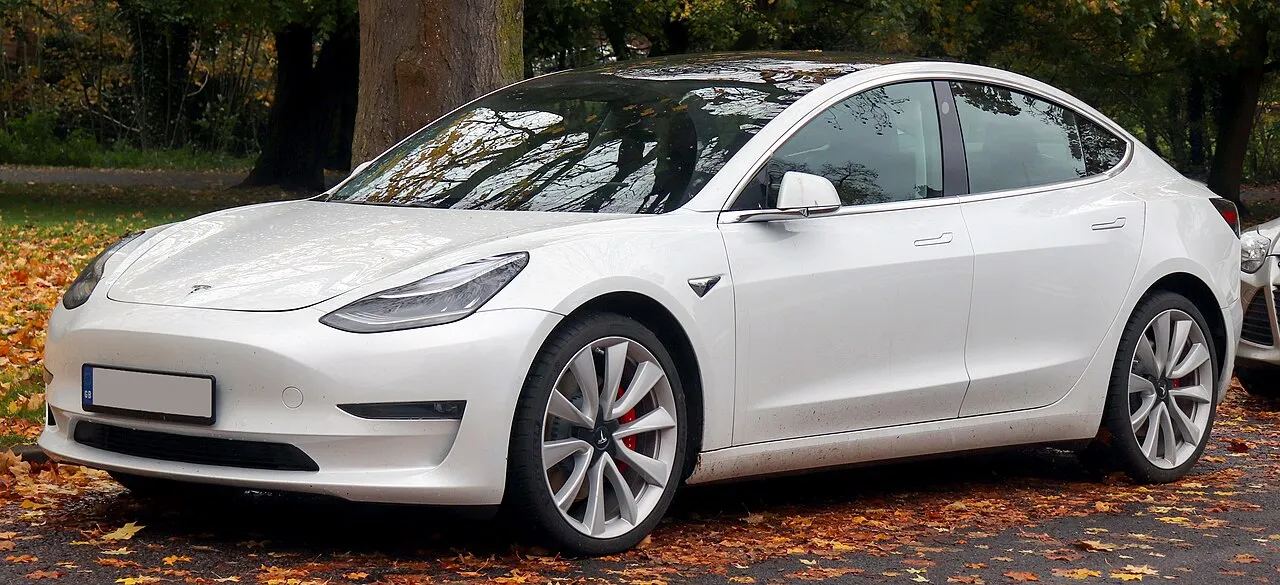
Tesla Model 3 vs. Model Y: Which Fits Your Routine?
The Model 3 sedan favors a lower, more traditional car shape; the Model Y crossover makes loading bulky cargo and helping passengers in and out easier.

What EV Owners Should Budget for Maintenance and Wear
EVs still need tire, brake, cabin and cooling-system attention. Learn which wear items and inspections can shape upkeep costs and what to check before buying.

How to Build an Emergency Fund for EV Repairs and Wear
Build a flexible EV repair reserve by reviewing your warranty, identifying likely wear items, and setting a monthly contribution that fits your budget.