Tesla Faces Korean Complaint Over FSD Sales to Ineligible Cars
A consumer group wants South Korea to curb Tesla's FSD marketing because most Teslas sold there cannot legally use it, despite owners being offered the feature.
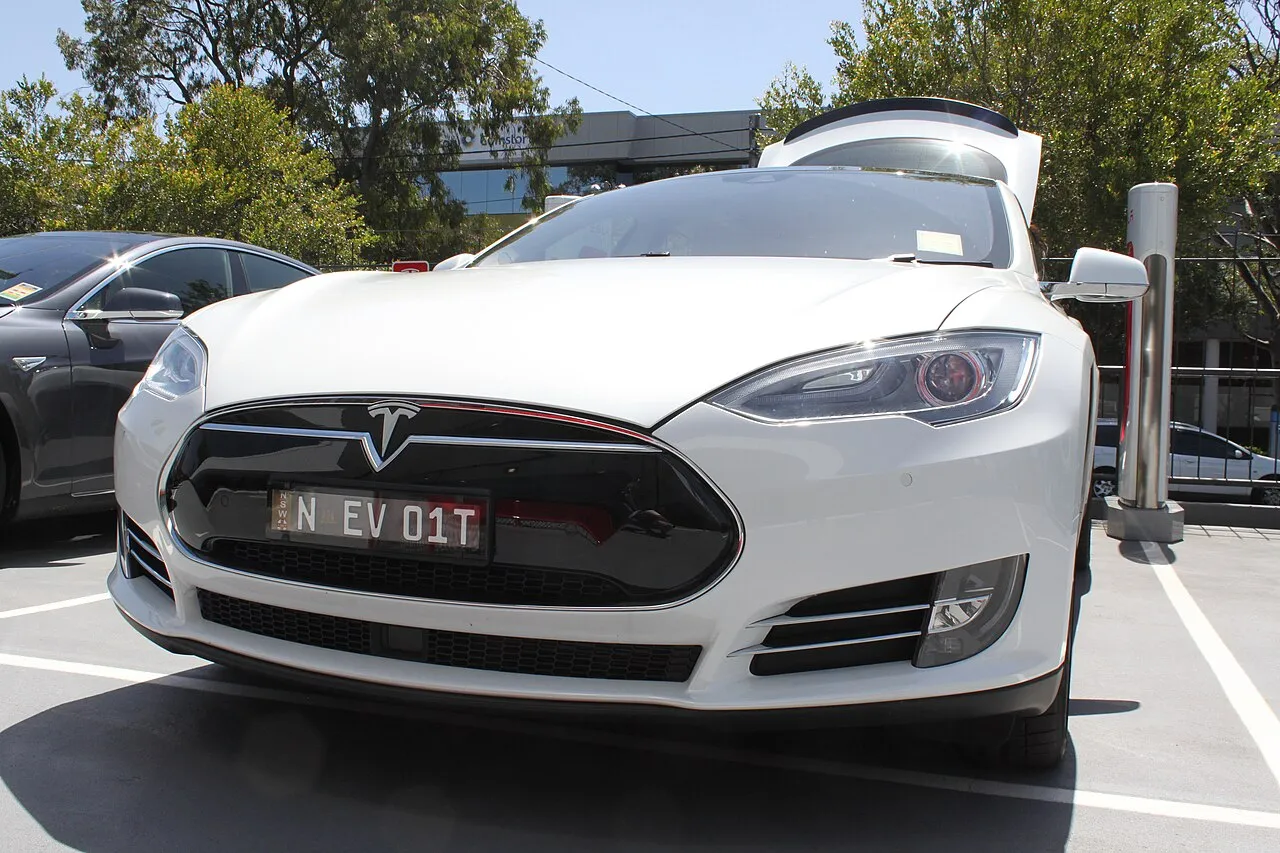
The short answer: A South Korean consumer group plans to ask regulators to stop Tesla from marketing Full Self-Driving to buyers whose cars cannot legally use it. According to Electrek, only about 20% of Teslas registered in the country can run FSD.
A South Korean consumer group plans to ask the Korea Fair Trade Commission to stop Tesla from marketing Full Self-Driving to buyers whose cars cannot legally use it. The complaint centers on a distinction that may be easy for buyers to miss: FSD availability in South Korea depends on where a Tesla was built. According to Electrek, the China-built Model 3 and Model Y sold there lack the Korean approval needed to run the feature, while certain US-built Teslas can use it.
The gap between a feature being sold and a car being allowed to use it is substantial. Electrek reported that Tesla Korea country manager Seo Young-deuk told lawmakers FSD works on about 20% of Teslas registered in the country. The outlet also reported that, by Tesla’s figures, vehicles unable to use FSD accounted for 99% of its Korean sales last year. Those percentages describe different groups: the first covers Teslas on Korean roads, while the second concerns vehicles sold during one year.
Why eligibility depends on the factory
According to Electrek, Tesla activated FSD (Supervised) in South Korea late last year for the Model S, Model X and Cybertruck. Those vehicles come from US factories and enter under the KORUS free trade agreement, which recognizes US safety standards. That route allows them to use the feature in Korea. The Model 3 and Model Y sold in the country come from Tesla’s Shanghai factory. Without an equivalent agreement with China, those cars require Korean approval for FSD, which the feature does not have.
This makes the model name alone an incomplete guide to whether a Korean Tesla owner can use FSD. The issue is especially significant for buyers of the Model 3 and Model Y because those cars make up much of Tesla’s business in the country. Electrek reported that Tesla told the National Assembly it had sold more than 170,000 Shanghai-built vehicles in Korea since 2023. Sales of those China-made cars grew more than fivefold between 2023 and 2025, according to the outlet.
The 20% figure for registered Teslas also helps explain why some owners can use FSD while many others cannot. It does not mean that every vehicle sold before or after a particular date has the same status. Electrek reported that a lawmaker’s figures from May put eligibility at 2.4%, while a data firm counted 20.7% in August. Seo’s subsequent testimony put the share at about 20%. For a buyer, the practical question is whether the particular car being purchased has authorization to run the feature in South Korea.
What the consumer group alleges
Citizens United for Consumer Sovereignty plans to file its complaint with the KFTC on Thursday, according to Electrek, citing a complaint reviewed by Reuters. The group alleges that Tesla continued promoting FSD to buyers whose vehicles could not use it. Its complaint points to a “coming soon” promotion last year and a demonstration video filmed on Korean roads. According to Electrek, the group says those promotions did not make clear that the feature would work on only a small portion of the Teslas being sold in Korea.
The group is seeking a temporary order that would stop Tesla from marketing FSD for ineligible cars. It is also asking for fines and for the case to be referred to state investigators, Electrek reported. These are requests in a planned complaint, rather than penalties already imposed. The central question for regulators is how Tesla presented a paid feature to buyers when Korean rules prevented many of their cars from using it.
That question has a direct financial dimension for owners. According to Electrek, Tesla charged Korean buyers a one-time 9.043 million won, approximately $6,726, for FSD for years. In August, it switched to a subscription costing 150,000 won, approximately $112, per month. A subscription changes how a customer pays, but it does not by itself resolve whether the customer’s vehicle is approved to use the feature. The complaint concerns Tesla’s marketing to buyers on the ineligible side of that divide.
Regulatory approval remains unresolved
Electrek reported that Seo told an October 8 parliamentary hearing Tesla had never formally asked South Korea’s transport ministry to test FSD. Tesla filed for certification about two weeks later, according to the outlet. The filing is a step toward a decision; it is not an approval for Shanghai-built cars. Until the approval question is resolved, the difference between eligible US-built vehicles and ineligible China-built vehicles remains central to the dispute.
There is also a potential obstacle beyond the timing of the application. According to Electrek, the transport ministry told a lawmaker that FSD does not comply with local safety rules, including a requirement that drivers keep their hands on the wheel. The outlet reported that current versions of FSD allow hands-free operation while a cabin camera monitors whether the driver is watching the road. That difference matters to the certification effort because the feature’s operation, as described by Electrek, conflicts with the rule the ministry identified.
The KFTC’s work did not begin with the group’s planned filing. An agency official told Reuters that the commission opened an investigation into Tesla’s FSD advertising earlier this year and had received written responses from the company, according to Electrek. The consumer group’s complaint would add a request for specific action to an existing regulatory inquiry. Electrek reported that Tesla did not respond to Reuters’ requests for comment, leaving its response to the group’s allegations unstated in the report.
A court ruling and the next decisions
Korean owners have also sought refunds through the courts. Electrek reported that a Seoul court dismissed a lawsuit brought by Tesla owners who had paid for FSD. The judge pointed to Korean regulations, rather than Tesla, as the reason additional features had not launched, according to the outlet. That ruling addresses the owners’ refund claim; the KFTC investigation concerns Tesla’s advertising. The two proceedings therefore put different questions about the same unavailable feature before Korean authorities.
Tesla’s position in the Korean car market gives those decisions broader reach. Electrek reported that Tesla passed BMW this year to become the country’s top imported car brand. At the same time, the reported growth in sales of Shanghai-built Teslas means the approval issue affects a large group of its customers. Those figures explain why the dispute extends beyond a handful of owners seeking refunds: it concerns how a widely sold vehicle feature was promoted when most recent buyers could not legally activate it.
The immediate next steps are the consumer group’s planned KFTC complaint, the commission’s continuing advertising investigation and the transport ministry’s consideration of Tesla’s certification application. None of those processes has yet established that FSD will become available to the China-built Model 3 and Model Y in Korea. For buyers, the decisive distinction remains the one identified in the complaint: paying for or seeing FSD advertised does not establish that a particular car is legally eligible to run it.
Frequently asked questions
Which Teslas can use FSD in South Korea?
According to Electrek, FSD (Supervised) is available on the US-built Model S, Model X and Cybertruck. The China-built Model 3 and Model Y sold in Korea lack the required Korean approval.
How many Teslas in South Korea can use FSD?
Tesla Korea country manager Seo Young-deuk told lawmakers that about 20% of Teslas registered in the country can use it, according to Electrek.
What does the consumer group want regulators to do?
According to Electrek, the group wants the KFTC to temporarily stop Tesla from marketing FSD for ineligible cars, impose fines and refer the case to state investigators.
Has Tesla sought approval for FSD on China-built cars in Korea?
Electrek reported that Tesla filed for certification about two weeks after an October 8 parliamentary hearing. Approval has not been reported.
Related stories

Kia Confirms Rio-Sized Electric Hatchback for 2027
Kia says its first mass-market software-defined vehicle will be a B-segment electric hatchback due by the end of 2027, with a European launch expected in 2028.

Tesla FSD v15 Reaches Older Model Ys Without Bumper Cameras
Tesla is extending FSD v15 to pre-refresh Model Ys without front bumper cameras, with early reports praising smoother driving but flagging visual lag.
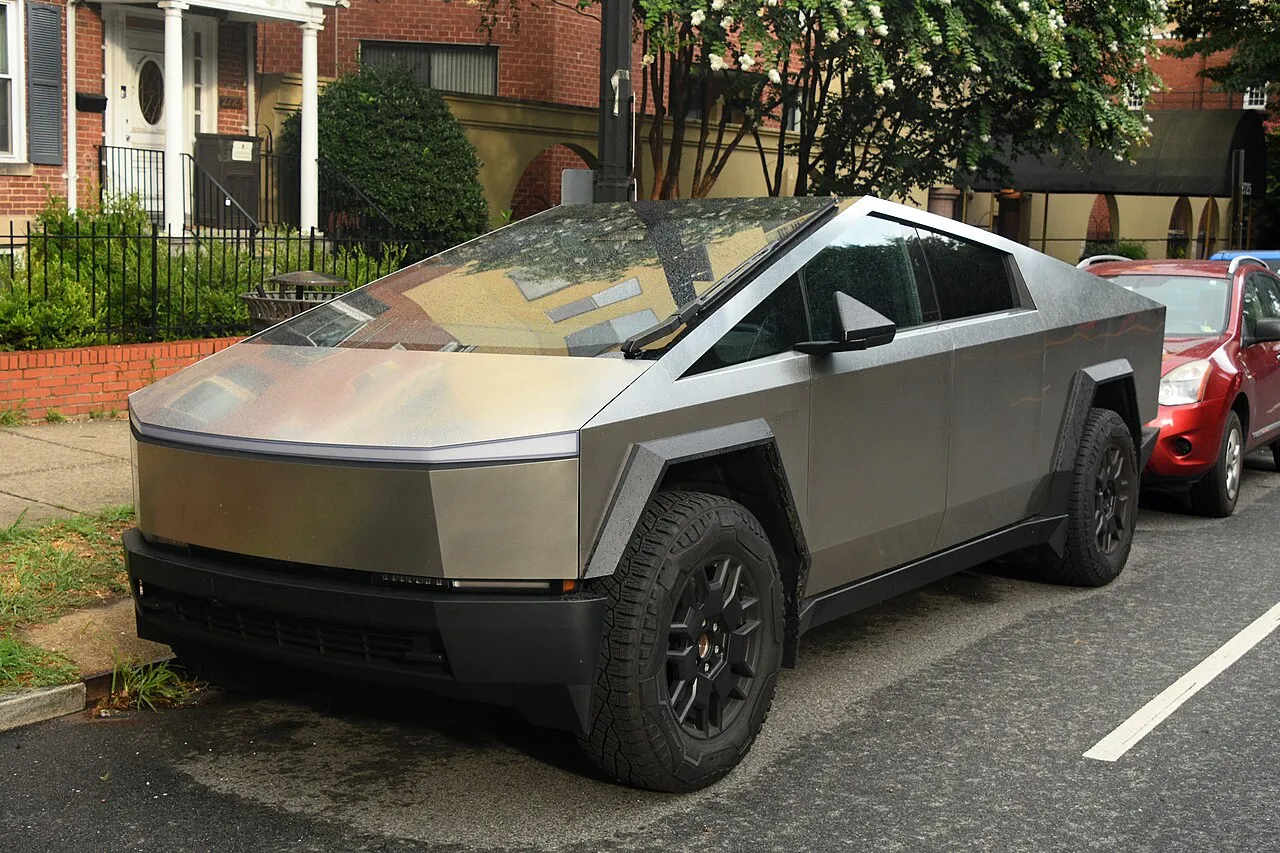
Cybertruck Owner Says Buyer Offered $110,000 for Used Truck
A Texas owner says he turned down a $110,000 offer for his three-year-old Cybertruck, citing its software and the difficulty the buyer had getting a new one.