Peter Warren Cuts 200 Jobs as Australian EV Market Shifts
Australian dealer group Peter Warren Automotive says it cut about 200 jobs and expects losses of up to A$11.5 million amid shifting demand and tighter margins.

The short answer: Peter Warren Automotive cut about 200 jobs, or 10% of its workforce, and expects losses of A$9.5 million to A$11.5 million. The Driven reports that the company cited stronger competition from new automakers, lower margins, rising costs and customers choosing lower-priced vehicles.
Australian dealer group Peter Warren Automotive has cut about 200 jobs and says it faces losses of A$9.5 million to A$11.5 million as competition from new automakers and changing customer demand squeeze its business. The cuts amount to about 10% of the company’s workforce, according to The Driven, which reports that Peter Warren operates 80 dealerships on Australia’s east coast.
The announcement points to the pressure that a fast-changing vehicle market can place on established dealers. Chinese automakers are gaining ground in Australia, particularly in electric cars and hybrids, while customers are responding to high fuel prices and cost-of-living pressures by choosing lower-priced vehicles. For buyers, the shift means established dealer groups are adjusting their brands, inventory and store networks as the range of competitors changes.
Competition and lower-priced cars weigh on the group
Peter Warren said rapid market-share growth by new original equipment manufacturer entrants, most of them Chinese electric vehicle brands, had contributed to “challenging conditions.” According to the company statement quoted by The Driven, those entrants’ competitive pricing has prompted established automakers to respond, reducing dealers’ gross margins.
The group also pointed to overstocking and a mismatch between the vehicles in its inventory and what customers want. Those issues can reinforce one another: when customer preferences shift, vehicles ordered for an earlier mix of demand may take longer to sell, while discounting and competing offers can make each sale less profitable. Peter Warren’s statement described both lower margins and stock holdings as issues it would address.
Economic pressures are also changing what customers buy. Peter Warren cited sustained cost-of-living pressure, high fuel prices, persistent inflation and the impact of a fifth interest-rate rise in short succession. It said customers were favoring lower-value, lower-margin cars over vehicles with options that can produce higher margins for dealers.
The distinction matters for the company because it specializes in luxury and prestige vehicles, a part of the market The Driven says is particularly exposed to new electric options. The report does not identify particular Peter Warren models or quantify how much of the company’s business comes from each vehicle type. It does, however, describe a dealer group facing pressure both from more competition and from shoppers moving toward less expensive vehicles.
Chinese brands are gaining ground in Australia
The Driven reports that Chinese automakers have entered the Australian market in large numbers and have taken leading positions in electric and hybrid vehicles. BYD is now Australia’s largest supplier of electric cars, according to the outlet. It also names Geely, XPeng, Zeekr, MG and Omoda Jaecoo as Chinese brands gaining significant market share.
The competitive shift reaches beyond the number of brands on sale. Peter Warren said lower-priced offers from new entrants were prompting established automakers to respond. The resulting price competition can leave dealers with less gross profit on each vehicle, even as more brands compete for buyers. The company also linked the rapid growth in new entrants to overstocking, suggesting its current vehicle holdings may no longer match demand as closely as before.
Fuel costs add another reason for customers to reconsider what they drive. The Driven reports that customers are turning away from petrol and diesel options as fuel prices rise. Peter Warren’s own explanation also points to broader operating pressures, including interest rates and inflation, which can make affordability a concern across vehicle categories.
The story describes a transition in customer demand that includes electric vehicles, but does not say that every buyer is moving directly from a gasoline car to a battery-electric one. In a separate company earnings briefing cited by The Driven, Eagers Automotive CEO Keith Thornton described the change as a progression that can include a hybrid or plug-in hybrid before a fully electric vehicle. Thornton said the progression was “a one-way street.”
A broader shift in customer demand
Peter Warren CEO Andrew Doyle had flagged a structural change in the market in August, according to The Driven. Speaking at the release of the company’s annual results, Doyle told analysts that the market was changing aggressively and that customer demand was moving toward value, technology, fuel efficiency and new energy vehicles.
That account puts the latest job cuts in the context of an ongoing adjustment rather than a single short-term change. Customers are weighing vehicle price and running costs while the set of available electric and hybrid models expands. At the same time, dealers have to decide which brands to represent, how much inventory to hold and how many locations their business can support.
The Driven says Peter Warren is considering closing underperforming dealerships and reducing the number of brands represented at existing premises. In a statement quoted by the outlet, the company said that for the remainder of FY27 it would focus on optimizing its brand portfolio to reflect consumer demand, working within a reduced property leasehold portfolio, cutting employee expenses and stock holdings, and improving operating performance and cash generation.
Those plans indicate that the group expects the response to involve its overall footprint and inventory as well as staffing. The report does not name locations slated to close or brands that Peter Warren may drop. It also does not say how many additional positions could be affected beyond the approximately 200 jobs already cut. The company’s stated priorities establish the direction of its response, while the specific changes remain to be determined.
What happens next
Peter Warren’s near-term task is to align its costs, brands and stock with the customers it expects to serve. Its stated plans include reducing employee expenses and inventory, reviewing its brand portfolio and operating with a smaller property leasehold portfolio. The potential closure of underperforming dealerships would further change the group’s presence across its east-coast network.
The wider industry question is whether established dealer groups can adapt as new brands gain share and shoppers place greater emphasis on price and fuel efficiency. The Driven’s report suggests that the pressure is being felt through both thinner margins and a changing mix of demand. It also records similar observations from Eagers Automotive, Australia’s largest car dealer, whose CEO described customer movement toward electric vehicles as a progression through different powertrains.
For vehicle buyers, the developments signal a market where the choice of brands and powertrains is changing, and where dealers are reassessing which vehicles and locations fit demand. The report does not announce specific changes to customer service, vehicle availability or pricing at Peter Warren dealerships. Its clearest near-term details are the job reduction, expected losses and the company’s plans to cut costs and reshape its portfolio.
Peter Warren’s forecast loss range is A$9.5 million to A$11.5 million, according to The Driven. The outlet does not specify in the report the period covered by that range. What the company has made clear is that it sees the market shift, tighter margins and higher costs as connected pressures, and that it intends to respond by reducing expenses, stock and its property footprint while changing its brand mix.
Frequently asked questions
How many jobs did Peter Warren Automotive cut?
The Driven reports that the group cut about 200 jobs, or 10% of its workforce, across its 80 dealerships on Australia’s east coast.
What losses does Peter Warren expect?
The company says it faces losses of A$9.5 million to A$11.5 million, according to The Driven.
What does Peter Warren plan to change?
The company says it will reduce employee expenses and stock holdings, optimize its brand portfolio and operate with a reduced property leasehold portfolio. The Driven also reports that it flagged possible closures of underperforming dealerships.
Which Chinese automakers are gaining market share in Australia?
The Driven names BYD, Geely, XPeng, Zeekr, MG and Omoda Jaecoo. It reports that BYD is now the country’s biggest supplier of electric cars.
Related stories
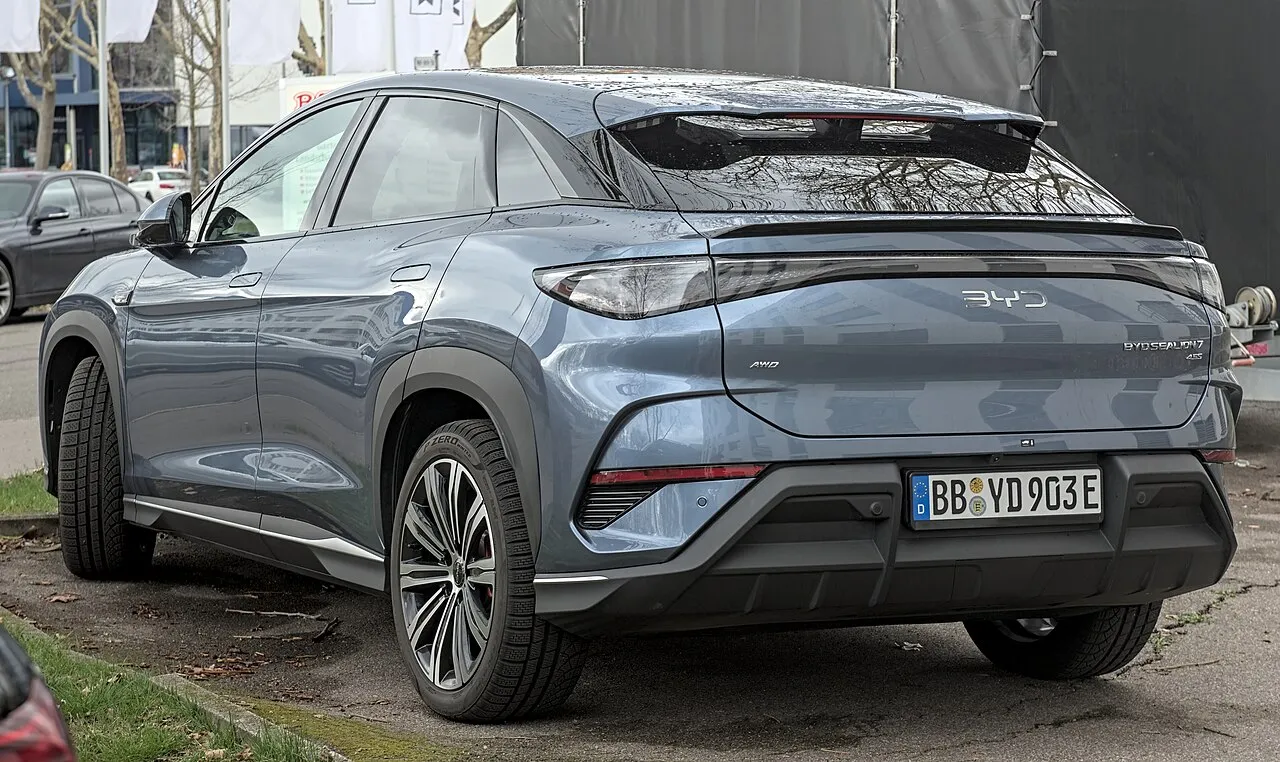
BYD Adds Storage at Busy Flash-Charging Stations in China
BYD is adding storage cabinets at busy flash-charging sites, but the fix may only delay slower charging where demand stays above the grid’s supply.
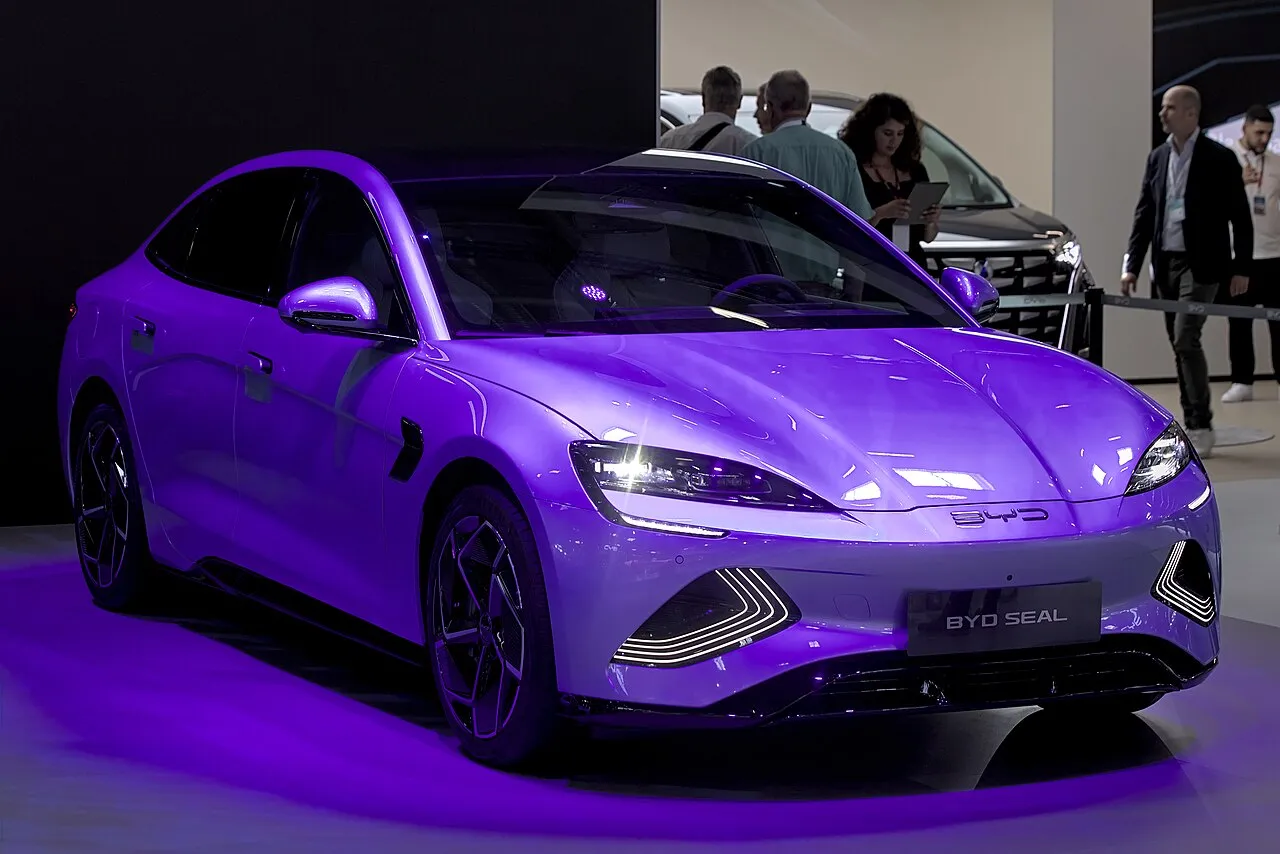
BYD Enters Exclusive Talks to Buy Ineos’s French Factory
BYD is negotiating to acquire Ineos Automotive’s Hambach plant in France, while Ineos plans to move Grenadier and Quartermaster production to the US by 2028.
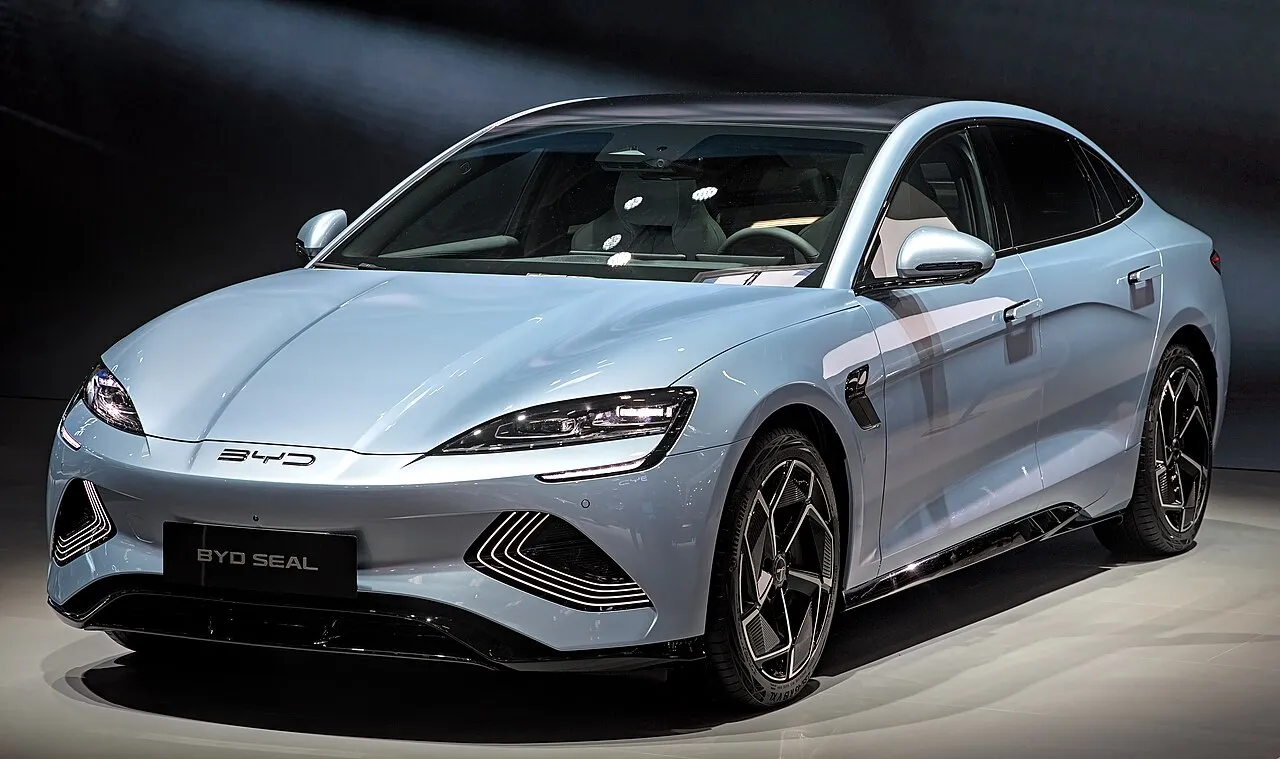
BYD Tai 9 Adds a Steering Wheel That Retracts Into the Dash
BYD’s six-seat Tai 9 plug-in hybrid is on sale in China with steer-by-wire and a steering wheel that retracts into the dashboard when parked.