Musk Cites Staffing as Tesla Plans to Wind Down Cybertruck
Tesla plans to wind down Cybertruck production around mid-2027 as it shifts workers toward Cybercab, narrowing its consumer EV lineup to Model 3 and Model Y.
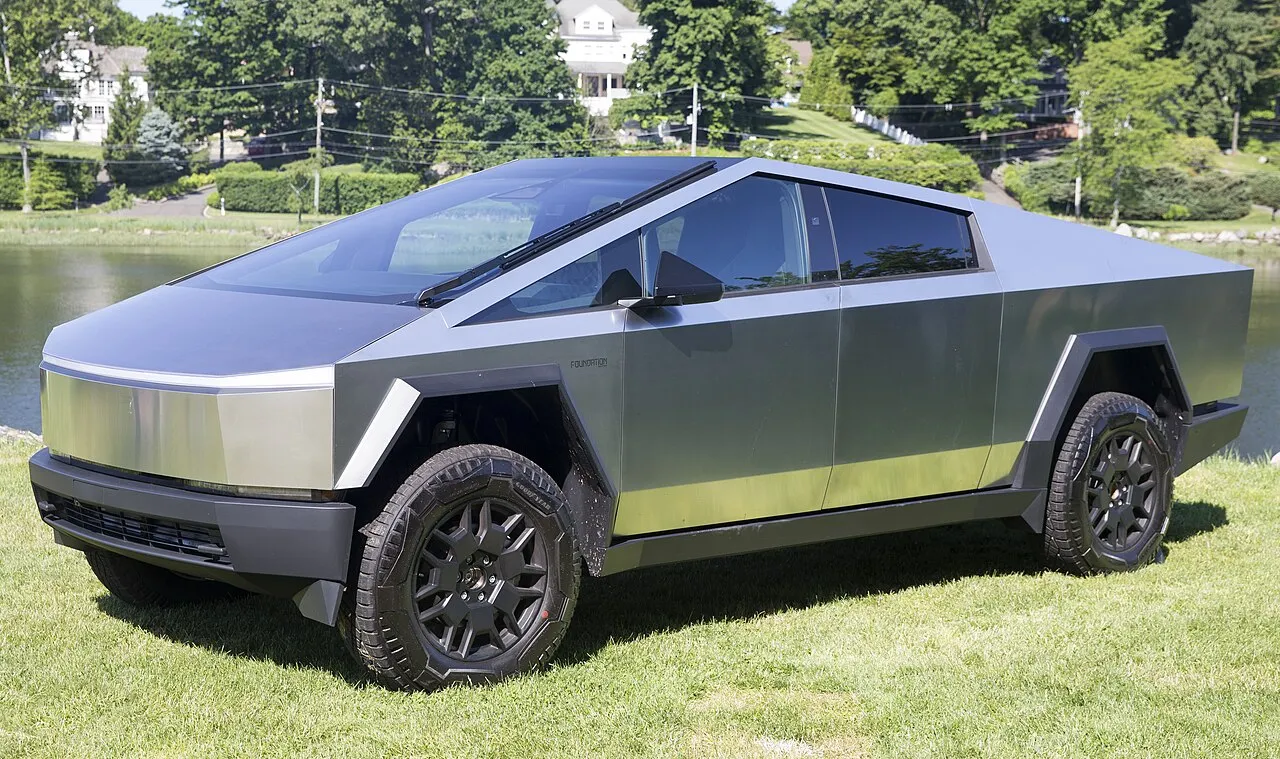
The short answer: According to Electrek, Elon Musk said Tesla plans to wind down Cybertruck production around mid-2027 so it can put manufacturing, supply chain and engineering staff to work scaling Cybercab. That would leave Model 3 and Model Y as its consumer vehicles.
Tesla plans to wind down Cybertruck production at its Texas factory around the middle of 2027 as it increases Cybercab production, according to Electrek. Elon Musk initially described the move as making room for Cybercab, then said the more consequential limit was the number of people available to work on both programs. For EV buyers, the decision points to a narrower Tesla consumer lineup: the Model 3 sedan and Model Y SUV would remain, while the company directs resources toward a vehicle intended for its robotaxi network.
Electrek reported that Musk explained the staffing trade-off in a reply on X. Maintaining Cybertruck requires people to manage its production line and supply chain, as well as engineers who could otherwise help scale Cybercab, he said. The account gives a clearer reason for the planned change than factory space alone. It also makes the timing consequential for anyone considering a new Cybertruck: Tesla has described when it expects to wind down production, but Electrek did not report a final day for orders or deliveries.
Why Tesla is shifting people between programs
According to Electrek, Musk first said Cybertruck production at Giga Texas would wind down around the middle of the following year “to make room for increased Cybercab production.” He subsequently wrote that there are a limited number of “smart, dedicated people” and that those people “can only do so many things.” Electrek reported that he later described the issue as the opportunity cost of Cybertruck’s complexity. Taken together, his comments connect the production decision to the work needed to keep a distinct vehicle program running.
That work reaches beyond the assembly line. Musk specifically cited the Cybertruck supply chain and engineering effort alongside its production line, according to Electrek. Moving employees toward Cybercab could therefore free people involved in making parts available, keeping manufacturing processes running and resolving engineering problems. It does not follow from Musk’s comments that every Cybertruck employee will transfer or that Cybercab production will rise by a particular amount. No such staffing total or production target was reported.
Electrek also reported that the Cybertruck line operates at a fraction of its installed capacity because sales have fallen short of Tesla’s plans. That is the outlet’s assessment of the truck’s commercial performance, separate from Musk’s explanation of the staffing constraint. A line with unused capacity can still demand workers and engineering attention. The distinction matters here because Tesla’s stated reason for moving away from Cybertruck concerns the people needed to maintain the program, not simply how many trucks its factory could build.
What the change means for Tesla buyers
The Cybertruck decision follows Tesla’s earlier move to end the Model S and Model X. Electrek reported that Musk announced their end during a January earnings call and linked the decision to autonomy. Tesla is converting their Fremont production line to make Optimus robots; by April, according to Electrek, only vehicle inventory remained. With Cybertruck now scheduled to wind down, buyers looking at Tesla’s future consumer lineup are left with variations of the Model 3 and Model Y rather than a sedan, SUV, flagship pair and pickup.
Those variations still give buyers choices within the two remaining models. Electrek identified the Model Y L and lower-cost Standard versions of both Model 3 and Model Y as part of the lineup it expects in the second half of 2027. The distinction is between variants of those models and separate vehicle programs. A buyer seeking a Tesla pickup would not have a direct replacement in that lineup, while a buyer seeking a sedan or SUV would still have Model 3 and Model Y options.
Published US EPA ratings illustrate the range of those options without predicting future availability. For the 2027 model year, the US EPA rates the Model 3 Premium RWD at 363 miles and the Model 3 Performance AWD at 316 miles. The 2027 Model Y Premium RWD is rated at 355 miles, while the Model Y AWD is rated at 294 miles. These are US EPA ratings for named trims, not estimates for every Model 3 or Model Y. They also say nothing about when Cybertruck production will stop.
Cybercab occupies a different place in Tesla’s plans. Electrek described it as a robotaxi without a steering wheel, rather than a conventional car for individual buyers. The outlet reported that Tesla intends to allow fleet buyers to obtain Cybercabs for its own Robotaxi network. A production increase for Cybercab would thus expand a vehicle program aimed at fleet use, while the planned Cybertruck wind-down would remove a consumer pickup from Tesla’s lineup. The two vehicles serve different kinds of customers even though Tesla is weighing them against the same pool of workers.
Tesla’s Semi remains a commercial truck, according to Electrek, so it does not fill the gap for shoppers seeking a passenger vehicle or pickup. Electrek also said Roadster production remains uncertain. That leaves the Model 3 and Model Y as the identifiable consumer models in the outlet’s account of Tesla’s lineup after the Cybertruck wind-down. The shape of that lineup matters because Tesla had previously presented a broader set of vehicles and prospective launches to investors.
How Tesla reached this point
At its 2024 shareholder meeting, Tesla displayed the Model 3, Model Y, Model S, Model X, Cybertruck and Semi alongside three covered vehicles, according to Electrek. Musk said the vehicles under covers were “going to be pretty special.” The image conveyed a broad set of current and potential products. Since then, the reported end of Model S and Model X production and the planned Cybertruck wind-down have changed what Tesla expects to keep building for consumer buyers.
The Model S and Model X had already gone years without a major redesign, Electrek reported. Its account identified their 2021 interior change as their last substantial update and described a June 2025 refresh that brought a new paint color, a front bumper camera, additional range and a $5,000 price increase. Those changes show that the flagship vehicles continued to receive updates before Tesla ended production. They also provide context for the current decision: Tesla’s shift toward autonomy did not begin with the Cybertruck announcement.
Electrek connected the vehicle decisions to departures among Tesla leaders. At a March 2023 Investor Day event, Musk highlighted what he called the company’s “significant bench strength” as executives presented Tesla’s plans. Electrek reported that executives from that group have since left, including people responsible for batteries, powertrain, software, chips, energy and charging. Those departures do not establish why any one vehicle program changed course, but they add context to Musk’s statement that experienced people are a limit on Tesla’s ability to pursue Cybertruck and Cybercab together.
The outlet also reported departures closer to individual vehicles. Siddhant Awasthi, who headed the Cybertruck program, and Emmanuel Lamacchia, who managed the Model Y program, left within a day of each other in November 2025, according to Electrek. Lamacchia had led the Model Y program for four years. Electrek said the Cybercab program has lost leaders as well. The report does not put a number on how many workers Tesla has available for Cybercab, so the scale of any staffing shortage cannot be measured from those departures alone.
What happens next
The next stated milestone is Tesla’s planned Cybertruck wind-down around mid-2027 and the accompanying push to increase Cybercab production. Electrek’s account does not establish how many Cybercabs Tesla will make or when the change will affect the availability of individual Cybertruck configurations. For buyers, the practical questions are whether Tesla meets that timetable and what vehicles it offers as Cybertruck production declines. For the company, the test is whether shifting people from an existing pickup program helps it expand a robotaxi program while continuing to develop Model 3 and Model Y.
Frequently asked questions
When does Tesla plan to wind down Cybertruck production?
Around the middle of 2027, according to Electrek. The outlet did not report a final order or delivery date.
Why is Tesla winding down the Cybertruck?
According to Electrek, Musk said maintaining Cybertruck’s production line, supply chain and engineering work uses people Tesla wants to assign to scaling Cybercab.
Which Tesla consumer vehicles would remain?
Electrek expects the Model 3 and Model Y to remain, including variants of both models.
Can individual buyers purchase a Cybercab?
Electrek described Cybercab as a robotaxi without a steering wheel and reported plans to make it available to fleet buyers for Tesla’s Robotaxi network.
Related stories
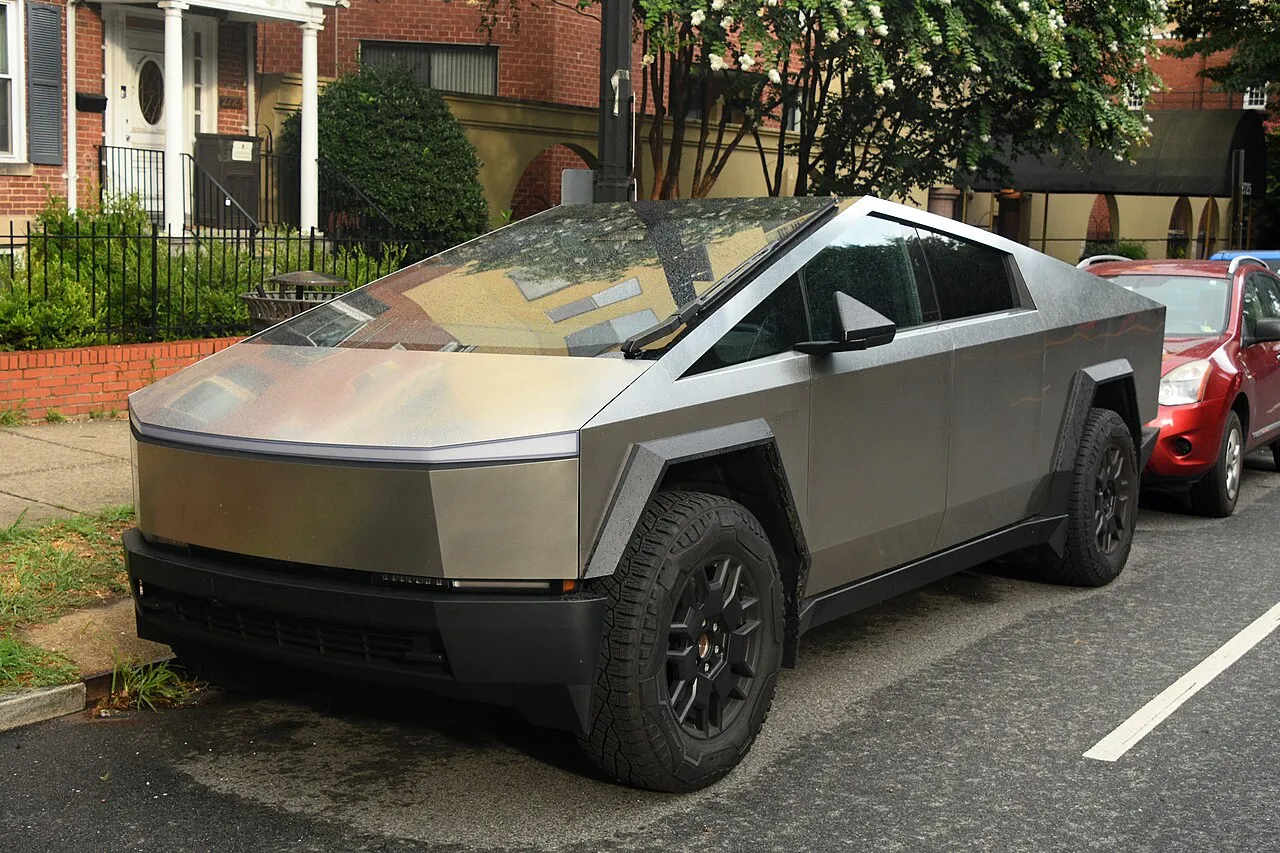
Tesla Offers Cybertruck Owners Refunds for PCS Repairs
Tesla is offering parts, labor and tax refunds to some 2024 and 2025 Cybertruck owners who paid to replace a failed power conversion system.
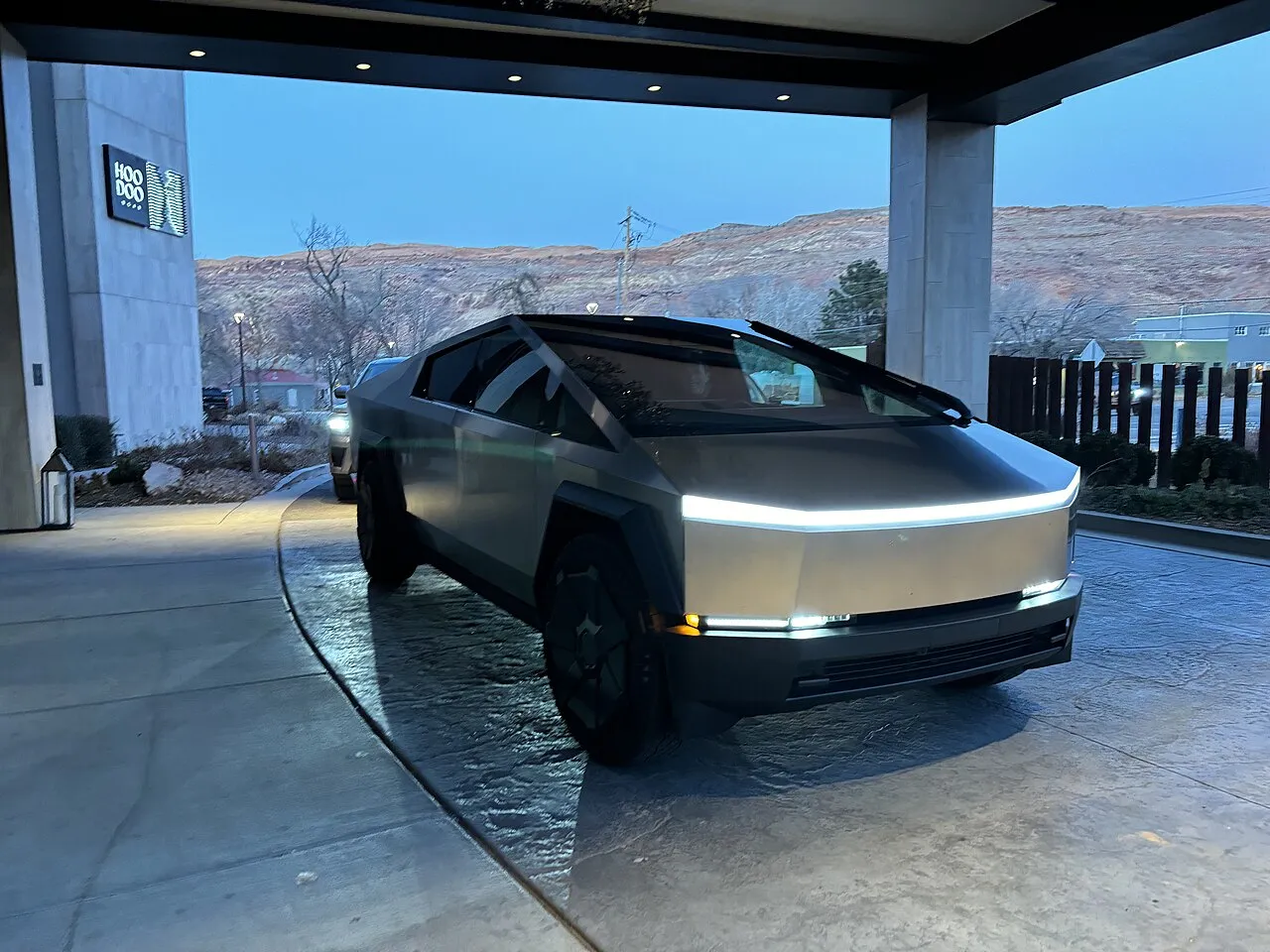
Tesla Tightens Cybertruck Turns for 2027 Models Only
Tesla is rolling out tighter turns for 2027 Cybertrucks, but has not published a new turning-circle figure. Earlier model years are excluded.
Tesla Robotaxi Plans Add Highway Speeds and Cybercab Hardware
Updated Tesla responder plans describe Cybercab hardware and roads posted up to 85 mph, but they do not establish when highway or owner rides will begin.