Kia PV7 Electric Van Targets Nine Seats and 2027 Launch
Kia's PV7 electric van is due in Korea and Europe in 2027, with room for up to nine globally and a Cargo version rated above 285 miles of WLTP range.
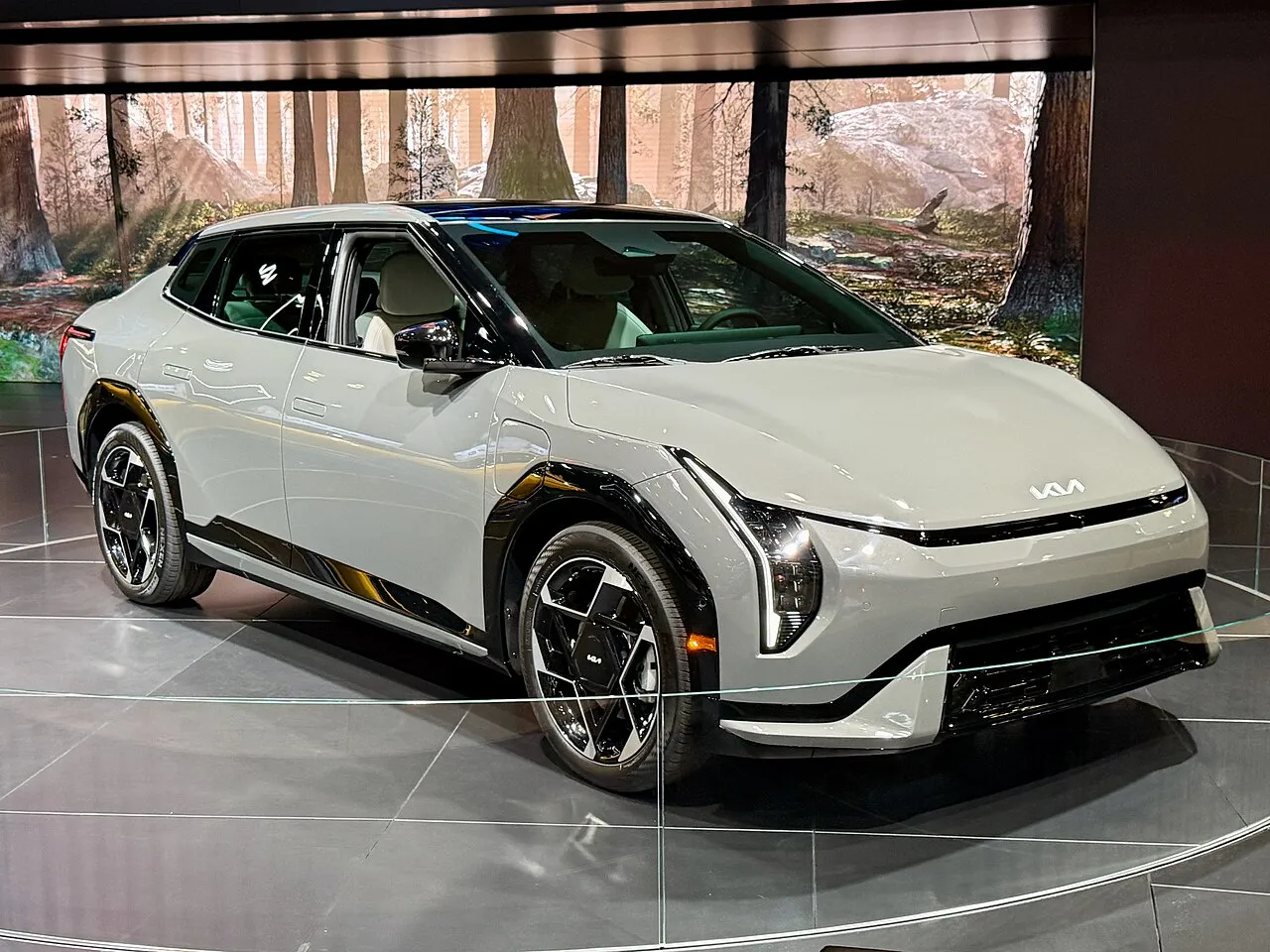
The short answer: According to Electrek, the Kia PV7 will go on sale in Korea and Europe in the second half of 2027. It will offer Passenger and Cargo versions, with seating for up to nine in the global Passenger version.
Kia plans to put a larger electric van, the PV7, on sale in Korea and Europe in the second half of 2027, according to Electrek. The Passenger version will seat up to nine people in global markets, while Cargo versions will offer different seating and load arrangements. For buyers considering an electric van, the PV7 brings a choice between moving people and carrying freight in a vehicle substantially larger than Kia's PV5. Its price and availability in other markets have yet to be announced.
Electrek reports that Kia revealed the PV7 at IAA Transportation in Hanover, Germany, in September. It is the second electric van in Kia's Platform Beyond Vehicle, or PBV, business, following the PV5. The two share Kia's E-GMP.S platform, but the PV7 has a longer wheelbase and body. Kia intends to launch Passenger and Cargo versions first, then expand the range with additional configurations and conversions. That sequence gives prospective buyers an initial choice of roles while leaving the full range of planned versions for later.
How large is the PV7?
According to Electrek, the PV7 measures 5,350 mm long, 1,995 mm wide and 1,990 mm tall, with a 3,500 mm wheelbase. That puts its length above 17.5 feet. The PV5 measures 4,695 mm long, 1,895 mm wide and 1,915 mm tall, with a 2,995 mm wheelbase, Electrek reports. The PV7 is therefore 655 mm longer overall and has 505 mm more between its axles. Those dimensions help explain how Kia can plan both a nine-seat passenger van and a cargo model capable of carrying multiple pallets.
Electrek also compares the PV7 with the Volkswagen ID. Buzz Long-Wheelbase, reporting a length of 4,962 mm and a 3,239 mm wheelbase for that version. On those figures, the Kia is longer overall and between the axles. ID. Buzz dimensions vary by version: published figures for the 2025 European Cargo, Pro, GTX and Pro S versions put them at 4,712 mm long with 2,988 mm wheelbases. Those European figures describe different versions from the Long-Wheelbase model in Electrek's comparison.
The size difference matters most in the configurations Kia is planning. A longer van can devote space to additional seats, luggage or freight, but the exact usable space depends on its interior layout. Electrek reports a 550 mm loading height for the PV7 Cargo Long, while the Passenger version includes a seven-seat layout with removable seats on long rails. Buyers assessing a particular job will need the dimensions and seating arrangement of the version they intend to order.
Passenger and Cargo versions
The global PV7 Passenger will accommodate up to nine people, according to Electrek; a version for Korea will seat up to 11. The seven-seat version has Long-Rail Easy Remove Seats that allow different cabin arrangements. Electrek reports that the nine-seat version will be available with or without a fourth row. That distinction means the maximum seating count is one configuration, rather than a description of every Passenger model. Kia also positions the Passenger version for family use or shuttle service, Electrek reports.
The Cargo version is aimed at businesses, fleets and logistics operators. According to Electrek, it will come in two-seat and three-seat configurations and offer up to 6.1 cubic meters of cargo space. A High Roof variant raises that figure to as much as 8 cubic meters. For the Cargo Long, Electrek reports a maximum payload of up to 1,165 kg, or 2,568 pounds, and says Kia claims room for as many as three Euro pallets measuring 800 by 1,200 mm each. The compact Cargo model has a reported maximum payload of up to 1,200 kg, or 2,645 pounds.
Electrek says Cargo buyers can choose twin-swing rear doors that open fully or a lift-up tailgate, depending on how they use the van. It also reports a heavy-duty mode that adjusts vehicle response for different payloads to help maintain stability and control. The choice of rear opening could matter at a loading dock or in a parking space, while the payload figures give fleet buyers a starting point for matching a version to their work. Cargo volume and maximum payload describe different limits; neither figure alone establishes what a specific load arrangement can carry.
Range, charging and power
According to Electrek, Kia plans two nickel-cobalt-manganese battery options for the PV7, rated at 71.5 kWh and 96.2 kWh. Electrek reports a range of more than 460 km, or 285 miles, under the WLTP test standard for the Long Range Cargo model. That is a figure for that version and test cycle, rather than an EPA rating for a US-market PV7. Range figures for every planned passenger and cargo configuration have not been published, so the Long Range Cargo result should not stand in for the whole lineup.
Electrek reports that front-wheel drive will be standard at launch and that Kia plans to add all-wheel drive later. Depending on configuration, the front-wheel-drive powertrain produces up to 200 kW, or 268 horsepower, and 420 Nm, or 309 pound-feet, of torque. The planned all-wheel-drive option gives buyers another drivetrain to consider, but Electrek does not report its output or a launch date. The battery choice, body style, seating and drivetrain will all matter when buyers compare individual PV7 versions; a single performance or range figure cannot describe every combination.
For DC charging, Electrek reports a roughly 25-minute charge from 10% to 80% using a 350 kW fast charger, enabled by the van's 800-volt architecture. The van will have a front port for AC and DC charging, plus an optional rear-side AC port. Electrek describes it as Kia's first vehicle with two charging ports. The rear-side option may give drivers another way to position the van at an AC charger, particularly when its length affects where it can park. Electrek also reports vehicle-to-load capability for powering external devices, including tools and equipment.
Inside, Electrek reports that Passenger and Cargo versions will use Hyundai's Pleos Connect infotainment system, with 12.9-inch and 14.6-inch displays and physical controls for commonly used functions. The system runs Android Automotive OS and includes Gleo AI, an in-vehicle assistant that can answer questions and control navigation or vehicle functions. Kia describes the PV7's cabin around a Mobile Workspace concept, according to Electrek, with a layered dashboard and center console intended to make better use of space. Those features place cabin usability alongside cargo and seating flexibility in Kia's plans for the van.
What happens next?
The PV7 follows a strong start for the smaller PV5 in Europe. According to Electrek, the PV5 led Europe's electric C-segment van sales in the first half of 2026, accounting for 37% of that segment's sales. The PV7 moves Kia into a larger size class with more room for passengers or freight. Kia plans 23 variants, which it calls top hats, over the next few years, Electrek reports. The initial Passenger and Cargo models will show how that broader plan begins to take shape.
Electrek says Kia will announce PV7 prices closer to launch. For context, it reports starting prices in Korea of 45.9 million won for the PV5 Passenger and 41 million won for the PV5 Cargo Compact; in Germany, the five-seat PV5 Passenger starts at €38,690. Those are PV5 prices in their respective markets, not PV7 prices. After the PV7's planned launch in Korea and Europe in the second half of 2027, Electrek says Kia intends to expand to other markets with additional versions and conversions. Which versions reach those markets, and at what prices, remains to be announced.
Frequently asked questions
When will the Kia PV7 go on sale?
According to Electrek, Passenger and Cargo versions will go on sale in Korea and Europe in the second half of 2027. Other markets are planned later.
How many people can the PV7 seat?
Electrek reports seating for up to nine in the global Passenger version and up to 11 in Korea. A seven-seat version is also planned.
What is the PV7's range?
According to Electrek, the Long Range Cargo version offers more than 460 km, or 285 miles, under the WLTP test standard. An EPA rating has not been published.
How much cargo can the PV7 carry?
Electrek reports up to 6.1 cubic meters of cargo space, or up to 8 cubic meters in the High Roof variant. Maximum payload depends on the Cargo version.
Has Kia announced a PV7 price?
No. According to Electrek, Kia will announce pricing closer to launch.
Related stories
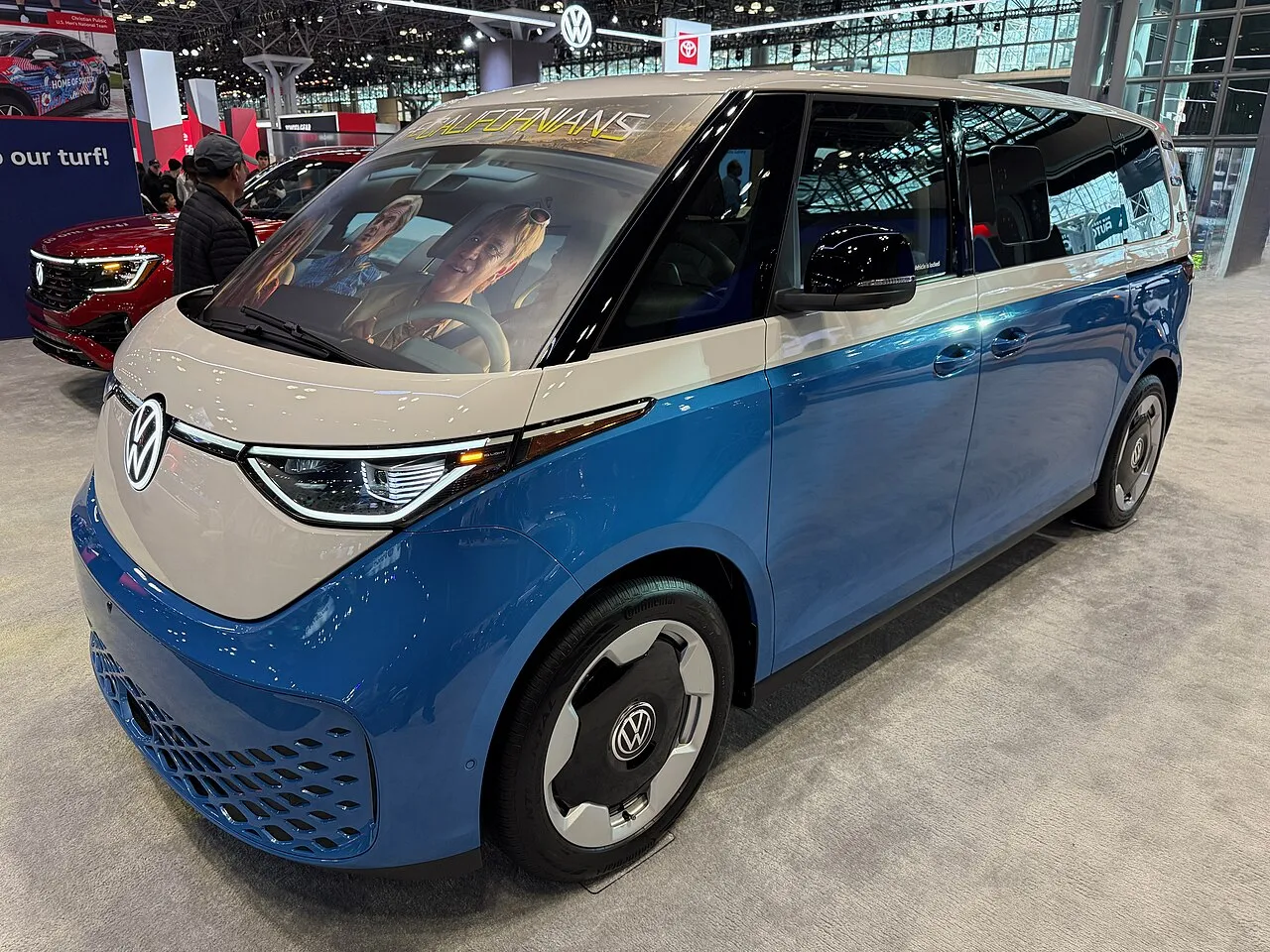
How the Volkswagen ID. Buzz Works for Everyday Use
The ID. Buzz pairs a van-like cabin with an electric drivetrain. Here is how its layout can shape passenger access, parking, cargo use and daily trips.

Subaru E-Outback Starts at £49,995, Deliveries Due in 2027
Subaru has opened UK orders for the all-wheel-drive E-Outback, priced from £49,995. The first customer deliveries are due in early 2027.
Volkswagen Opens German Orders for ID. Cross R-Line
Volkswagen has opened German orders for the ID. Cross R-Line, with a 314-km WLTP entry version and a 428-km flagship due to follow in 2027.