Italy Approves Tesla Assisted Driving Ahead of EU Vote
Italy has approved Tesla Assisted Driving for supervised use, making it the first major EU market to do so as a broader European decision remains pending.
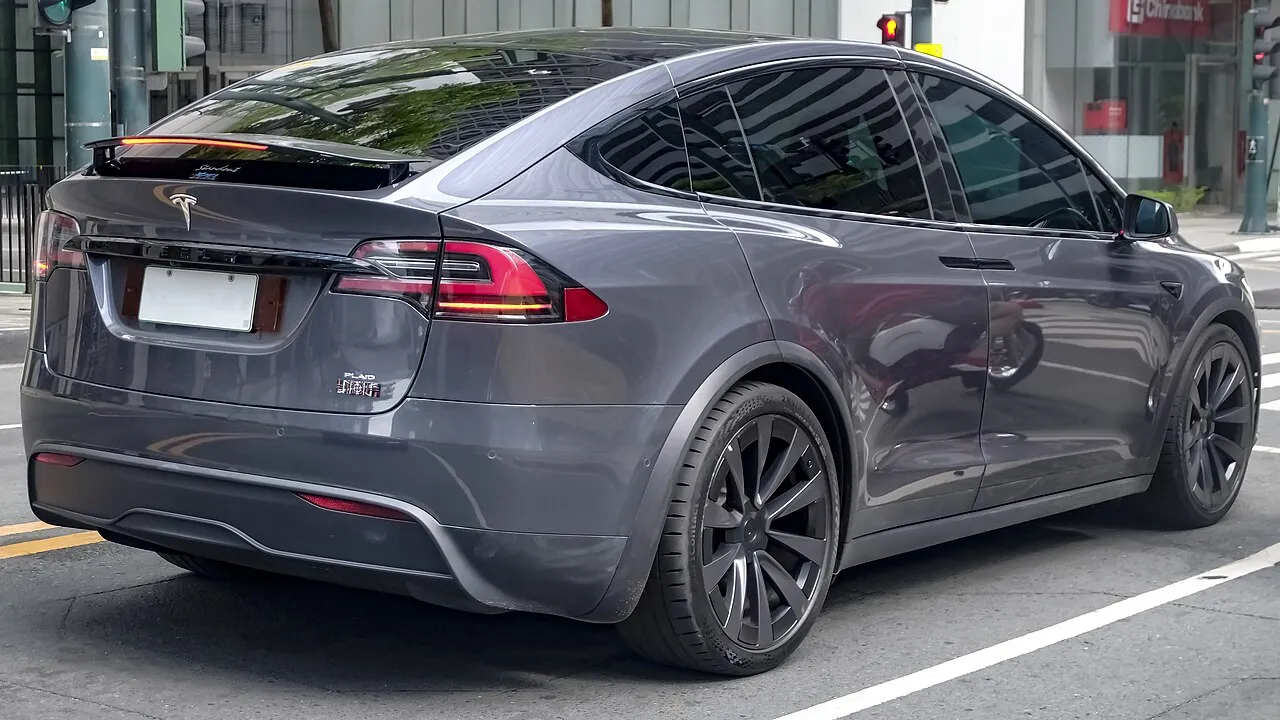
The short answer: Italy has granted provisional approval to Tesla Assisted Driving, according to Electrek. A rollout is expected soon, but no firm date has been announced, and drivers must supervise the Level 2 system at all times.
Italy has granted provisional approval to Tesla Assisted Driving, becoming the first major European Union market to allow the system, according to Electrek. For Tesla owners in Italy, the decision opens a path to using a feature that had not been authorized there. It also gives Tesla another national approval while a decision on recognition across the EU remains pending. Tesla Europe said a rollout would begin soon, Electrek reported, but no firm date has been announced.
The approval covers a Level 2 driver assistance system. It can steer, brake, accelerate, and handle intersections and lane changes, according to Electrek. The driver must supervise it at all times and remains fully responsible for the car. Italy’s decision does not turn the system into autonomous driving or establish when an Italian owner will be able to activate it.
What Italy approved
Deputy Prime Minister and Transport Minister Matteo Salvini announced the decision on X on Friday, according to Electrek. He said Italy’s transport ministry had cleared the system after a thorough technical feasibility check. Salvini also said Italy was moving ahead of an EU recognition process that was still being defined. The decision is provisional, and Electrek reported no firm date for the start of the rollout.
The system is called Tesla Assisted Driving in Europe. Electrek reported that Tesla dropped the “Full Self-Driving” name there after Germany’s Transport Ministry called it misleading. The change matters for describing what Italian drivers have received approval to use: the system performs driving tasks, but its Level 2 classification keeps the driver responsible for supervision throughout the trip.
Electrek said the version approved in Italy also reflects changes to how the system operates. Tesla reduced its maximum speed margin from 50% to 10% above the limit. On November 16, the Dutch vehicle authority, RDW, approved stricter driver monitoring, including a requirement to keep hands on the wheel above 130 km/h. According to Electrek, Italy approved that version of the system.
Those conditions are relevant to owners because a national approval is more than permission to use the name Tesla Assisted Driving. It concerns the behavior and driver supervision requirements of the system Italy has cleared. The speed margin and monitoring changes were made before Italy’s decision; Electrek did not report an Italian rollout date or a timetable for owners to receive the approved version.
How national approvals reached Italy
The Dutch RDW was the first authority to approve the system, on April 10, under Article 39 of the EU type approval regulation, according to Electrek. Other EU member states can recognize that Dutch approval nationally. Before Italy acted, ten had done so: Belgium, Croatia, Czechia, Denmark, Estonia, Finland, Latvia, Lithuania, Slovakia, and Slovenia. Including the Netherlands and Italy, the system has now been allowed in 12 European countries, Electrek reported.
That route explains why an Italian decision can take effect independently of a vote on recognition across the bloc. Each country that accepts the Dutch approval makes its own national decision. Italy joined the countries that had already taken that step while the EU committee responsible for a broader decision had yet to vote.
Italy also changes the scale of the approvals already in place. Electrek estimated that the Netherlands and the ten countries that followed it have a combined population of about 70 million, roughly 15% of the EU total. Italy has about 59 million people on its own, according to the outlet. Electrek estimated that its decision brings the share of EU residents in countries that legally allow the system close to 30%.
Population is a measure of the markets covered by those decisions, not a count of Tesla owners or cars equipped to use the feature. Electrek identified Italian owners with HW4 cars as a group affected by the approval, including owners who had paid for a feature they could not use at home. How soon they can use it depends on the rollout Tesla has said will begin soon.
Italy’s path to a national decision
The Italian government had been considering the issue for months. In April, Senator Carlo Calenda formally asked Salvini’s ministry to prioritize approval, according to Electrek. On October 29, Salvini said he had held a “very positive and constructive” call with Elon Musk and that Italy supported a “swift EU approval.” Italy has now taken the national recognition route while the bloc-wide process continues.
That sequence matters because the two processes have different outcomes. Italy’s approval addresses use within Italy. A decision by the EU’s Technical Committee on Motor Vehicles, or TCMV, would address recognition across the bloc. Electrek reported that the committee held discussions in October and pushed a vote on Tesla’s system to December at the earliest.
Approval by TCMV requires a qualified majority: at least 15 of the EU’s 27 member states, representing at least 65% of its population, according to Electrek. The countries that have individually allowed the system have therefore advanced Tesla’s position, but their national decisions do not themselves meet the population threshold for a bloc-wide vote.
Germany said in October that it would back approval after Tesla agreed to the European name change and speed cap, Electrek reported. If Germany follows through, it and the 12 countries that have approved the system would account for roughly 47% of the EU population, according to the outlet. That remains short of the 65% required for the committee decision, even though the group would be closer to the minimum number of member states.
France refused a national approval in July, while Spain has not recognized the Dutch approval, according to Electrek. Their positions illustrate why Italy’s decision, despite its market size, does not settle the EU question. Further support would be needed for a qualified majority when the committee votes.
What drivers should expect next
Tesla Europe said, “Now approved in Italy, rollout begins soon,” according to Electrek. For Italian owners, that establishes the next step but leaves the timing open. The approval also does not change the driver’s role: Tesla Assisted Driving remains a supervised Level 2 system in which the person behind the wheel is responsible for the vehicle at all times.
The next EU milestone is a possible TCMV vote in December or later. Until then, the distinction between national permission and EU-wide recognition remains central to where the system can legally be used. Italy has made its own decision, joining the Netherlands and ten other countries; the wider outcome depends on whether enough member states, representing enough of the EU’s population, support recognition.
Frequently asked questions
Has Italy approved Tesla Assisted Driving?
Yes. Italy granted provisional approval, according to Electrek. Tesla Europe said a rollout would begin soon, but no firm date has been announced.
Does the approval allow a Tesla to drive without supervision?
No. It remains a Level 2 driver assistance system. The driver must supervise it at all times and remains fully responsible for the car.
Is Tesla Assisted Driving approved across the EU?
No. Electrek reported national approval in 12 European countries, including Italy. An EU committee vote on broader recognition is expected in December at the earliest.
What is required for EU-wide recognition?
According to Electrek, approval by the Technical Committee on Motor Vehicles requires support from at least 15 of 27 member states representing at least 65% of the EU population.
Related stories

Kia Confirms Rio-Sized Electric Hatchback for 2027
Kia says its first mass-market software-defined vehicle will be a B-segment electric hatchback due by the end of 2027, with a European launch expected in 2028.

Tesla FSD v15 Reaches Older Model Ys Without Bumper Cameras
Tesla is extending FSD v15 to pre-refresh Model Ys without front bumper cameras, with early reports praising smoother driving but flagging visual lag.

Tesla Model Y Owner Credits Braking With Avoiding Trooper
A Model Y owner says her Tesla braked as a state trooper entered her lane. The video does not establish whether FSD or standard emergency braking acted.