How to Check Your EV Home Backup System Before an Outage
Use an approved test procedure to check EV backup power, essential household loads and system readiness, and know which checks need a qualified installer.

The short answer: Follow the backup system manufacturer’s approved outage-test procedure, with a qualified installer handling electrical isolation and checks that require access to wiring. Verify that the vehicle connects, designated essential loads operate, system alerts remain clear and normal grid operation resumes correctly.
Test an EV home backup system by following its manufacturer’s approved outage-test procedure and checking that the vehicle powers the intended household circuits. Have a qualified installer perform any required electrical isolation or work involving wiring, then confirm that the system returns to normal grid operation. A useful test covers the complete sequence: readiness, transfer to backup, operation of essential loads and restoration.
The procedure matters because backup power depends on more than a charged vehicle. The vehicle, bidirectional charging equipment, transfer equipment and home electrical installation must work together. A charging session alone does not demonstrate that the house can run from the vehicle during an outage.
Establish what your system is designed to do
Start with the operating instructions for the exact vehicle and backup equipment installed at the home. Confirm that the combination supports home backup and that installation and commissioning are complete. An outlet on a vehicle can power compatible appliances without supporting a connection to household wiring; these are different arrangements with different operating instructions.
Identify whether backup covers selected circuits or a broader portion of the home. Locate the installer’s circuit labels and any record of the loads intended to operate during an outage. A circuit outside the backup arrangement will not become available simply because the vehicle has energy remaining.
Distinguish automatic operation from any manual steps the system requires. Some arrangements depend on owner actions or settings before backup can begin. The test should establish which actions are necessary and whether another household member could follow the same instructions.
Choose an approved way to simulate an outage
Use the test method described in the equipment instructions or agreed with the qualified installer. Do not assume that switching off the main breaker is the correct method for every installation. The location of sensing and transfer equipment affects what a particular switching action actually tests.
If the instructions offer a user-accessible test function, establish what it verifies. A diagnostic check may confirm communication or equipment status without transferring household loads to the vehicle. Ask the installer to clarify whether the procedure exercises the complete backup sequence.
Never improvise a connection between a vehicle outlet and household wiring. Backup equipment must prevent the home from energizing utility lines during an outage. Checking that protection, opening electrical enclosures and altering connections belong with a qualified installer.
Prepare the vehicle and household
Schedule the test when a temporary interruption will be manageable. Tell everyone at home what will happen, save work on computers and account for appliances that may restart or lose settings. Arrange an appropriate alternative before interrupting equipment whose loss of power could affect someone’s health or safety.
Check the vehicle’s charge level and the backup settings described in its instructions. Confirm that any minimum battery reserve and discharge limits suit the test. A reserve setting can stop backup operation while energy remains in the battery, so understanding that setting is part of understanding readiness.
Inspect accessible cables, connectors and equipment from the outside. Look for visible damage, moisture where it should not be present or an unresolved warning. Do not open covers or handle damaged equipment. Confirm that the connector is fully engaged and that the vehicle and backup equipment show the expected ready state.
Record the starting conditions: battery charge, relevant settings, system status and the loads you intend to operate. This creates a reference if the result differs from expectations. Resolve any unexplained fault before attempting the outage simulation.
Run the transfer and essential-load checks
Follow the approved procedure in its stated order. Use only the controls designated for owner operation. If the method requires installer attendance, arrange that before beginning rather than trying to reproduce the switching sequence yourself.
- Confirm entry into backup mode. Check the status indicators or controls identified in the instructions. Observe whether the intended circuits receive power and whether the system reports a fault.
- Check essential loads individually. Verify the equipment your household expects to use, such as lighting, refrigeration or communications equipment, where those loads are part of the backup arrangement.
- Check an intended combination of loads. Operate the combination permitted by the system design and instructions. Observe whether equipment starts and continues running without a warning or shutdown.
- Record interruptions and unexpected behavior. Note any device that resets, fails to start or loses power. Record the system’s message rather than repeatedly attempting the same unsuccessful start.
Do not deliberately overload the system to discover its limit. The useful question is whether the intended household operating plan works within the equipment’s approved capabilities. An overload shutdown demonstrates a problem with that operating plan and calls for review.
Check starting demands as well as running loads
Battery energy and available electrical power answer different questions. Energy affects how long backup can continue; power limits affect which appliances can operate together. A high battery charge does not establish that the system can start every appliance connected to the home.
Equipment with motors or compressors can demand more power while starting than while running. Seeing a refrigerator light illuminate, for example, does not establish that its compressor has started successfully. Observe normal appliance operation without forcing rapid restarts that conflict with the appliance instructions.
If a planned combination fails, stop and review it with the installer. The cause could involve load demand, circuit coverage, settings or a fault requiring investigation. Do not change breakers, wiring or protective settings to make the test pass.
Verify restoration and readiness afterward
Restore normal operation using the approved procedure. Confirm that the system recognizes the return of grid power, leaves backup mode as expected and clears any temporary test indication. Check the household equipment used during the test for resets or errors.
Then verify that the vehicle returns to its intended charging behavior. Charging schedules and battery settings can affect what happens next, so immediate charging is not a universal pass condition. The relevant check is whether the vehicle and home equipment resume the behavior described in their instructions.
Finish by restoring any settings changed specifically for the test and confirming the desired reserve for a future outage. Keep a short record of the procedure, observed results, unresolved messages and any follow-up work. A test with an unexplained fault should remain an open issue.
Know which findings need an installer
Owners can generally observe indicators, use designated controls and check appliance operation within the instructions. Electrical verification requires a different level of access and expertise. Leave inspection of internal connections, circuit arrangements, grounding, transfer protection and other electrical measurements to a qualified installer.
Seek installer review if intended circuits remain dead, protective devices trip, transfer fails or the system cannot restore normal operation. Stop the test for signs of overheating, unusual electrical noise, a burning smell or visible damage, and follow the equipment’s shutdown instructions when safe.
Understand what a successful test establishes
A successful test demonstrates operation under the conditions and loads actually checked. It does not establish how long backup will last through every outage. Runtime changes with available battery energy, reserve settings and household consumption; a brief test cannot verify extended endurance.
Revisit the approved procedure after changes that affect backup operation, such as electrical work, a different vehicle or newly added essential equipment. Follow the manufacturer’s guidance on routine checks. The practical result should be a household plan that identifies what works, what actions are required and when to call the installer.
Frequently asked questions
Can I test EV home backup by switching off the main breaker?
Only if that action is part of the approved procedure for your installation. The location of sensing and transfer equipment affects what switching the main breaker actually tests; have the installer confirm the correct method.
Does successful charging prove that home backup works?
No. Charging does not demonstrate transfer to backup power or operation of household circuits from the vehicle. Those functions need to be checked through the approved backup test.
Which checks require a qualified installer?
Leave electrical isolation that is outside the owner procedure, access to wiring, internal inspections, electrical measurements and verification of transfer protection to a qualified installer.
Does a full battery mean every appliance can run?
No. Available battery energy affects duration, while the system’s power limits and appliance starting demands affect which loads can operate together. Circuit coverage also determines which equipment receives backup power.
Does a short test establish outage runtime?
No. It verifies operation under the conditions checked. Backup duration depends on available battery energy, reserve settings and household consumption.
Related stories

How EVs Convert Battery Power for Home and Device Use
Bidirectional charging takes more than an outlet: an EV needs power conversion, control logic and compatible hardware to send energy to a home or device.
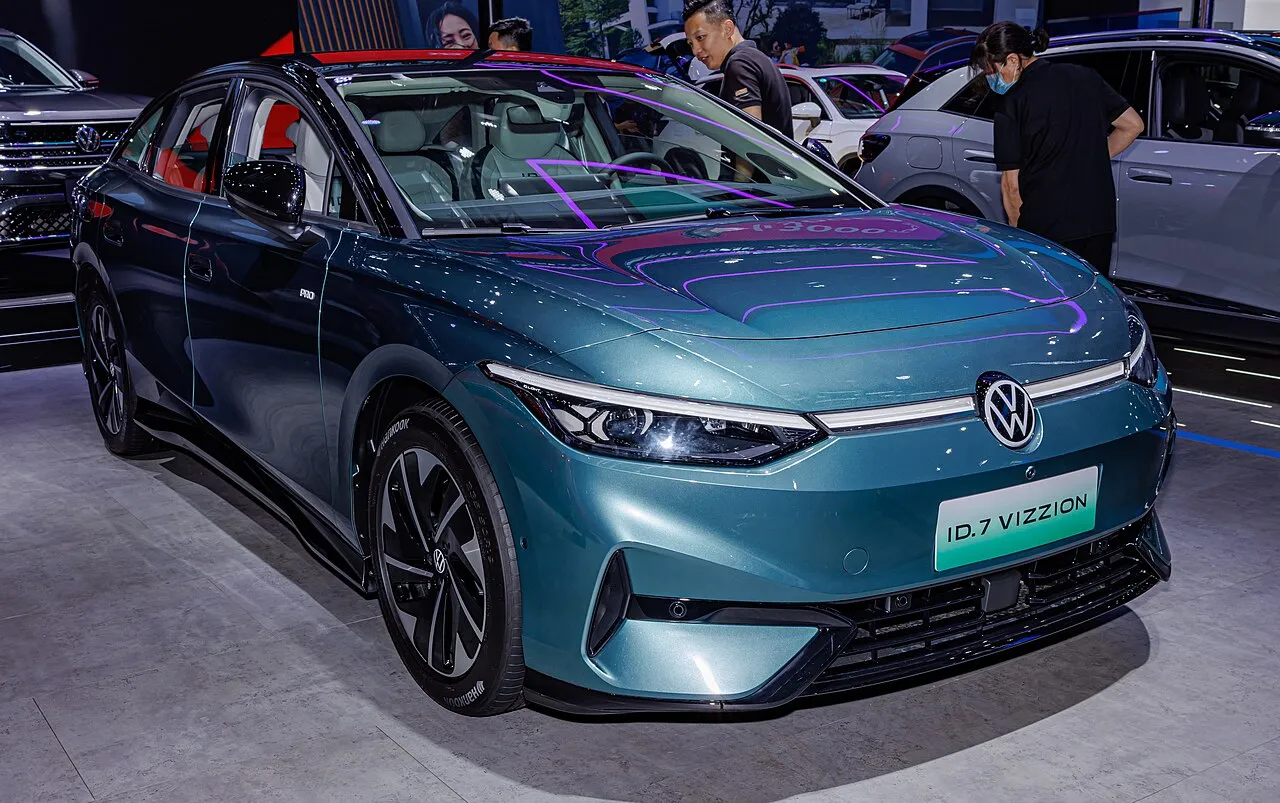
Volkswagen Elli Plans Paid Vehicle-to-Grid Charging in Germany
Volkswagen’s Elli is preparing a German V2G offer that pays owners to keep compatible EVs plugged in, with energy exports paid separately.

How EV Home Backup Cuts Loads to Protect Battery Reserve
An EV backup system can reduce household demand before the battery reaches its reserve. Here is what it can control, what it cannot, and why the settings matter.