How the Volvo EX30 and Hyundai KONA Electric Compare on Space
Published exterior dimensions show how these SUVs differ in size, but passenger and cargo figures are needed to determine which offers more usable room.
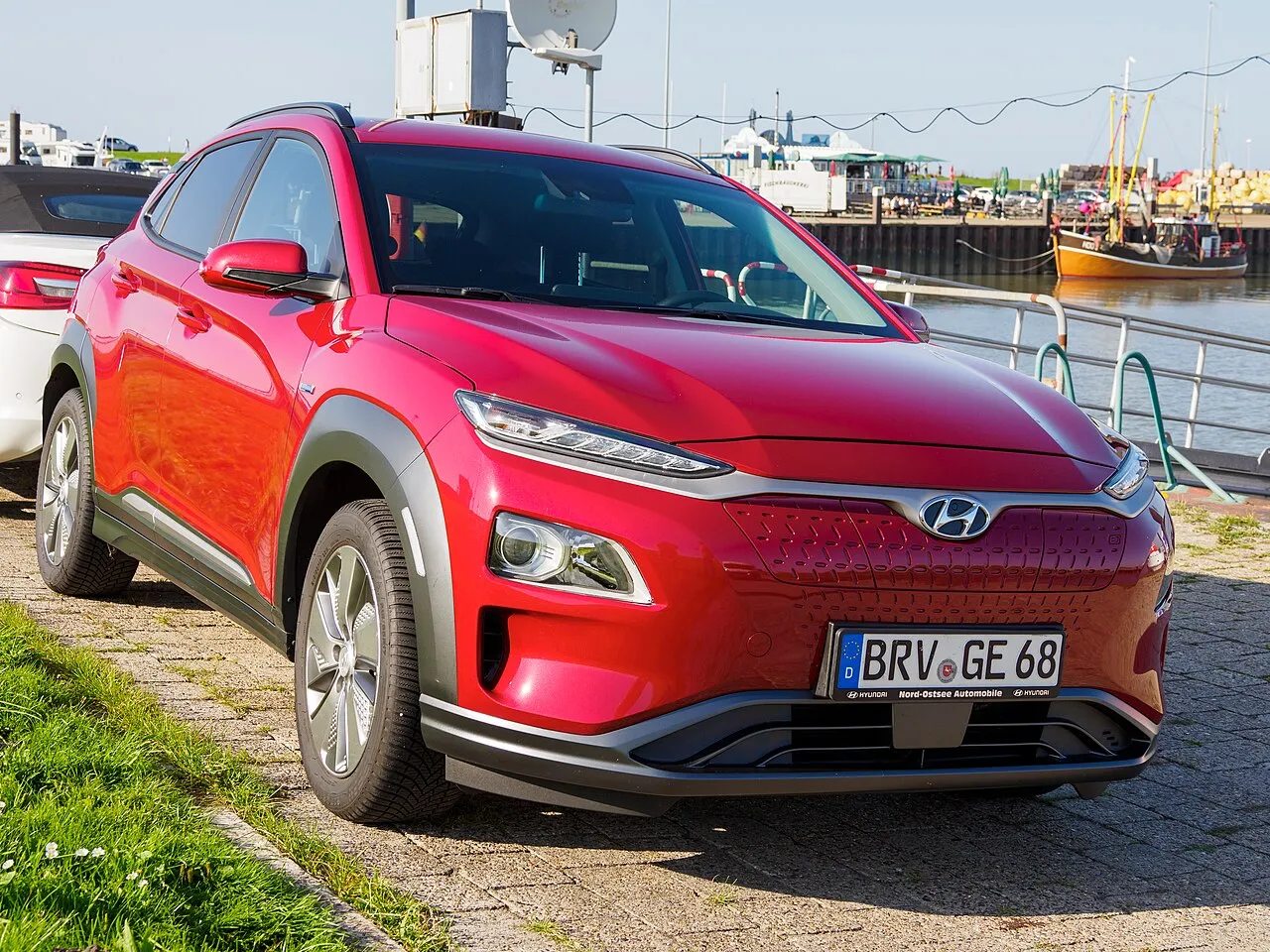
The short answer: The Volvo EX30 is longer and wider than the Hyundai KONA Electric in the versions shown below, but comparable passenger and cargo volumes have not been published for those versions. Exterior size alone cannot establish which has the roomier cabin or larger cargo area.
The Volvo EX30 has the larger exterior footprint in the versions compared here: it is longer and wider than the Hyundai KONA Electric, and its wheelbase is longer. That does not settle the cabin and cargo question. Comparable passenger-volume and cargo-volume figures have not been published for these versions, so there is no sound basis for naming a winner on interior space. The EX30 figures below describe European-market vehicles, while the KONA Electric figures describe a US-market vehicle; they should not be treated as a matched US showroom comparison.
What the published dimensions show
OpenEV Data reports the same exterior dimensions for the US-market 2025 KONA Electric Long Range and Standard Range versions. Its figures for the 2025 European-market EX30 Base show a longer body, greater width and longer wheelbase than the KONA Electric, while the KONA is taller. EVDB reports that the European-market EX30 Cross Country Twin Motor Performance is wider and taller than the EX30 Base. Those version differences matter when judging whether an EX30 will fit a particular parking space, but they do not reveal how much room is inside either vehicle.
| Vehicle and version | Market and model year | Length | Width | Height | Wheelbase | Test standard | Source |
|---|---|---|---|---|---|---|---|
| Hyundai KONA Electric Long Range | US, 2025 | 4,180 mm | 1,800 mm | 1,570 mm | 2,600 mm | Not applicable to physical dimensions | OpenEV Data |
| Volvo EX30 Base | Europe, 2025 | 4,233 mm | 1,837 mm | 1,555 mm | 2,650 mm | Not applicable to physical dimensions | OpenEV Data |
| Volvo EX30 Cross Country Twin Motor Performance | Europe, 2025 | 4,233 mm | 1,850 mm | 1,573 mm | 2,650 mm | Not applicable to physical dimensions | EVDB |
These are physical dimensions, so an EPA or WLTP driving-range test standard does not apply to them. The market and model year in each row identify the version behind each figure. That distinction is especially relevant for an American shopper: the EX30 dimensions in the table come from European-market versions. The table can describe the published size relationship between those versions and the US-market KONA Electric, but it cannot confirm the dimensions of every US-market EX30 trim.
What exterior size can and cannot tell you about the cabin
Length measures the vehicle from end to end. Some of that length sits outside the passenger compartment, so a longer vehicle does not automatically give its occupants more legroom. Wheelbase measures the distance between the front and rear axles and offers a different view of how the vehicle occupies its length. The EX30 Base has a longer wheelbase than the KONA Electric Long Range in the figures above, yet wheelbase still cannot tell a shopper where the seats are placed or how much knee room a rear passenger will have.
Width also needs careful interpretation. A wider exterior may allow more room across a cabin, but the published body width does not state the width between the door panels or how much space occupants have at shoulder level. Interior trim, door construction and seat placement affect usable space. For anyone who regularly carries passengers across the rear seat, exterior width is therefore a reason to investigate further, rather than a substitute for a published interior measurement or a seating check.
Height is similarly limited. OpenEV Data shows the KONA Electric Long Range is taller than the European EX30 Base, while EVDB shows a taller European EX30 Cross Country version than the EX30 Base. None of those exterior heights establishes headroom. The distance from a seat cushion to the roof depends on how high the seat sits, the floor beneath it and the shape of the roof above it. Front and rear seats can also offer different amounts of space within the same vehicle.
For a useful cabin comparison, look for measurements tied to the seats people will actually use: front and rear headroom, legroom and shoulder room, with the measurement conventions clearly identified. A single total passenger-volume number can help frame the comparison, but it will not show where that volume is distributed. A household with tall rear passengers may care more about the rear seating position than about an overall figure, while someone who usually drives alone may reach a different conclusion from the same cabin.
Why the cargo winner remains unknown
Cargo capacity is a separate question from exterior length and wheelbase. Neither OpenEV Data’s exterior dimensions for the KONA Electric and EX30 Base nor EVDB’s exterior dimensions for the EX30 Cross Country establish the size of the space behind the rear seats. Comparable cargo-volume figures have not been published for the versions in the table. Calling either SUV the larger cargo carrier on the strength of its body length would mistake space occupied by the whole vehicle for space available to luggage.
Even when cargo-volume figures are available, the measurement conditions matter. A figure taken with the rear seats upright answers a different question from one taken with the seats folded. Measurement methods can also differ in how they define the area being counted. For a fair comparison, shoppers need figures for the same seating configuration under a clearly identified method. Otherwise, two cargo numbers can appear directly comparable while describing different spaces.
Volume does not describe every practical constraint. The width and height of the hatch opening govern whether a bulky item can enter, while the cargo floor’s shape and the space between interior panels affect how it rests once inside. A long, narrow object poses a different problem from a tall box, even if both occupy a similar volume. The published exterior dimensions answer none of those fit questions, so a specific item is best checked against the cargo opening and usable floor area.
Rear-seat use also changes the decision. A shopper who keeps the rear seats occupied needs to concentrate on the space behind them; a shopper who often folds the seats may care more about the resulting floor length and how the seats fold. Neither use case can be settled by the table. The most relevant cargo comparison is the one that matches the seating arrangement the vehicle will normally have when it carries the load.
How to use these figures when shopping
The clearest conclusion from the published dimensions is about exterior fit. The European EX30 Base is longer and wider than the US KONA Electric Long Range shown here, and the European EX30 Cross Country is wider still. If garage width, a narrow parking space or overall vehicle length is the immediate concern, those figures provide a starting point. Confirm the market and exact trim before applying them to a vehicle for sale in the United States.
For passenger and cargo space, seek measurements for the exact vehicles under consideration and keep each figure attached to its seating configuration and measurement method. Then check the seating positions and the cargo shapes that matter in daily use. Until comparable interior figures are available, the honest answer is narrower than the exterior comparison: the EX30 versions shown occupy more length and width, but neither SUV has an established advantage in usable cabin or cargo room.
Frequently asked questions
Is the Volvo EX30 longer than the Hyundai KONA Electric?
Yes, for the versions shown: OpenEV Data reports 4,233 mm for the 2025 European-market EX30 Base and 4,180 mm for the 2025 US-market KONA Electric Long Range.
Does the EX30 have more passenger room?
That cannot be established from the published exterior dimensions. Comparable passenger-volume figures have not been published for the versions shown.
Which SUV has more cargo space?
Comparable cargo-volume figures have not been published for the versions shown, so neither can be identified as the larger cargo carrier.
Are the EX30 dimensions shown for a US-market model?
No. The EX30 dimensions shown are for 2025 European-market versions; the KONA Electric dimensions shown are for a 2025 US-market version.
Related stories

How to Choose an EV for Caregiving and Support Trips
Compare passenger access, rear-seat comfort, equipment storage and charging routines to find an EV that fits recurring appointments and support trips.

How to Choose an EV for Your Dog and Travel Gear
Compare an EV’s entry points, secure travel area, climate controls and cleanability with your dog and gear on hand before choosing a vehicle.
Kia EV3 vs. BYD ATTO 3: Which SUV Fits Daily Life?
The Kia EV3 and BYD ATTO 3 suit different daily needs. Compare market-specific range figures, dimensions and charging, then check cargo access and fit in person.