EV Sales Lead in Several Markets as Adoption Widens
CleanTechnica points to high electric-vehicle sales shares in Norway, Denmark and Singapore, while arguing that driving experience helps explain adoption.

The short answer: CleanTechnica reports that battery-electric vehicles account for about 98% of vehicle sales in Norway, 81% in Denmark and 60% in Singapore. The outlet argues that EVs’ quieter, smoother driving and lower energy use help explain why adoption rises in some markets.
Battery-electric vehicles have reached a dominant share of new vehicle sales in Norway and Denmark, while plug-in vehicles together account for nearly 60% of sales in China, according to CleanTechnica. The figures highlight how far EV adoption has advanced in some markets and sharpen the question facing automakers and policymakers elsewhere: what will persuade more buyers to make the switch?
CleanTechnica reports that battery-electric vehicles, or BEVs, account for about 98% of vehicle sales in Norway and 81% in Denmark. Singapore’s BEV share is about 60%, according to the outlet. China’s BEV share is 39%, with plug-in hybrids adding roughly another 20 percentage points. Together, the two plug-in categories approach 60% of new auto sales in the world’s largest auto market, CleanTechnica says.
The figures refer to different national markets as described by CleanTechnica; the outlet does not identify a common reporting period or provide a breakdown of the underlying sales counts in its article. They illustrate the scale of adoption in those places, but do not by themselves explain why buyers chose one type of vehicle over another. The article’s central argument is that the driving experience is a major part of the answer.
Where plug-in vehicles are gaining ground
CleanTechnica describes a broader pattern in which EV adoption rises over time as sales of fossil-fueled vehicles decline. In the outlet’s account, BEVs eventually take over markets, while plug-in hybrids can have a period of growth before losing ground to fully electric vehicles. The article attributes that general adoption pattern to research by Professor Ray Willis, Raphael Wellmann and Peter Newman.
The stages are not identical in every country. Norway and Denmark are presented as markets where BEVs already make up a large majority of vehicle sales. Singapore’s reported BEV share is lower than those two countries but still reaches about 60%. China’s figures show a different mix: BEVs make up 39%, while plug-in hybrids contribute roughly another 20 percentage points.
That distinction matters when interpreting the China figure. A plug-in hybrid can run on electricity and also has an internal-combustion engine, so combining its sales with BEVs gives a broader measure of plug-in vehicle adoption. CleanTechnica reports the categories separately before describing their combined share as nearly 60%. The combined figure should not be read as a BEV-only share.
CleanTechnica also points to developments beyond those four markets. It says BYD’s sales abroad are approaching 200,000 vehicles a month, without specifying in the article which vehicle types are included in that figure. The outlet reports that 55 new electric-vehicle models were shown at an automobile expo in Colombia and describes rising EV adoption in Latin America, several Asian countries and Australia. It does not give adoption rates for those broader regional trends.
The case CleanTechnica makes to buyers
CleanTechnica argues that EVs are attractive because they feel smoother and quieter than gasoline vehicles. The outlet describes gasoline cars as louder and more vibratory, and says EVs can feel more refined, particularly when regenerative braking is used. These are the article’s assessments of the driving experience, rather than measurements of particular models.
The article also contrasts the energy use of the two vehicle types. CleanTechnica says electric cars are three to four times more efficient and that the electricity needed for equivalent trips is much cheaper than the fuel used by gasoline cars. It does not provide a calculation, identify a specific vehicle pair, or state the electricity and fuel prices behind those comparisons. Actual costs can therefore not be derived from the article’s figures alone.
For potential buyers, the outlet’s argument is that the experience of driving an EV may be more persuasive than abstract comparisons. It says electric vehicles feel quiet and smooth, while gasoline vehicles feel loud and outdated to drivers who have become accustomed to EVs. CleanTechnica’s conclusion is that those differences can become clearer with experience behind the wheel.
The outlet also recognizes practical objections. It cites long-distance travel with very short fuel stops and towing heavy loads over long distances as examples of demands that some buyers may have. CleanTechnica says those uses can remain difficult for EVs, particularly lower-cost models. It does not claim that every EV can meet those needs, or provide vehicle-specific towing or range figures.
Those constraints help explain why strong adoption in some countries does not automatically establish that every buyer has the same needs or faces the same choices. CleanTechnica describes the U.S. EV adoption rate as about 6%, far below the shares it reports for Norway, Denmark and Singapore. The outlet suggests that both practical and psychological barriers may be slowing adoption in the United States, but it does not quantify either category or identify a single cause.
What the figures say about the industry
The market shares described by CleanTechnica point to different positions along the adoption curve. In Norway and Denmark, the reported BEV figures indicate that fully electric vehicles already dominate sales. In Singapore, BEVs also hold a majority share, according to the outlet. China’s nearly 60% plug-in share combines BEVs and plug-in hybrids, showing the importance of distinguishing between technologies when discussing the transition.
For automakers, these markets offer evidence that demand can shift substantially toward plug-in vehicles. CleanTechnica’s account of BYD’s overseas sales nearing 200,000 vehicles a month adds a measure of the company’s reported scale beyond its home market. The outlet’s report of 55 electric models at a Colombian auto expo points to manufacturers’ activity in another region where it says adoption is increasing.
But the article does not provide comparable sales totals, model-by-model results, or the shares of each automaker. Nor does it establish that the same path will occur in every country. Its argument is that rising adoption in several markets and the experience of driving EVs show why consumers may continue moving away from gasoline vehicles, while the reported U.S. figure demonstrates that adoption remains uneven.
What happens next
CleanTechnica presents the shift toward BEVs as an eventual outcome of a broader rise in EV adoption, with plug-in hybrids playing a transitional role in some markets. Its evidence in this article consists of the national sales shares it reports, international developments such as BYD’s overseas sales, and its assessment of the driving experience. The article gives no forecast or timetable for when other countries might reach similar shares.
For readers weighing the market’s direction, the distinction between current sales and a prediction is important. The reported figures show high BEV shares in three named markets and a high combined plug-in share in China. They do not establish how quickly the U.S. market will change, whether every driver’s needs can be met by today’s EVs, or what share of future sales will go to BEVs rather than plug-in hybrids.
CleanTechnica’s broader point is that barriers may remain even as EVs gain ground. The outlet argues that quieter operation, smoother driving and lower energy use make electric vehicles compelling, while acknowledging that certain long-distance and towing demands can be challenging. The market figures suggest that adoption varies widely by country; the article’s conclusion is that the appeal of driving an EV helps explain why the transition continues in places where buyers have made the switch.
Frequently asked questions
What BEV sales shares does CleanTechnica report?
The outlet reports about 98% in Norway, 81% in Denmark and 60% in Singapore.
What share of China's new auto sales are plug-in vehicles?
CleanTechnica reports a 39% BEV share and roughly another 20 percentage points from plug-in hybrids, together approaching 60%.
What does CleanTechnica say is driving EV adoption?
The outlet argues that EVs’ smooth, quiet driving and lower energy use help explain their appeal, while noting that some long-distance and towing needs can be challenging.
What U.S. EV adoption rate does the article cite?
CleanTechnica describes the U.S. EV adoption rate as about 6%.
Related stories

GWM Haval H7 PHEV Undercuts Toyota RAV4 PHEV in Australia
GWM’s Haval H7 PHEV pairs a lower Australian starting price with more power and claimed electric range, while Toyota counters with safety features and fuel economy.
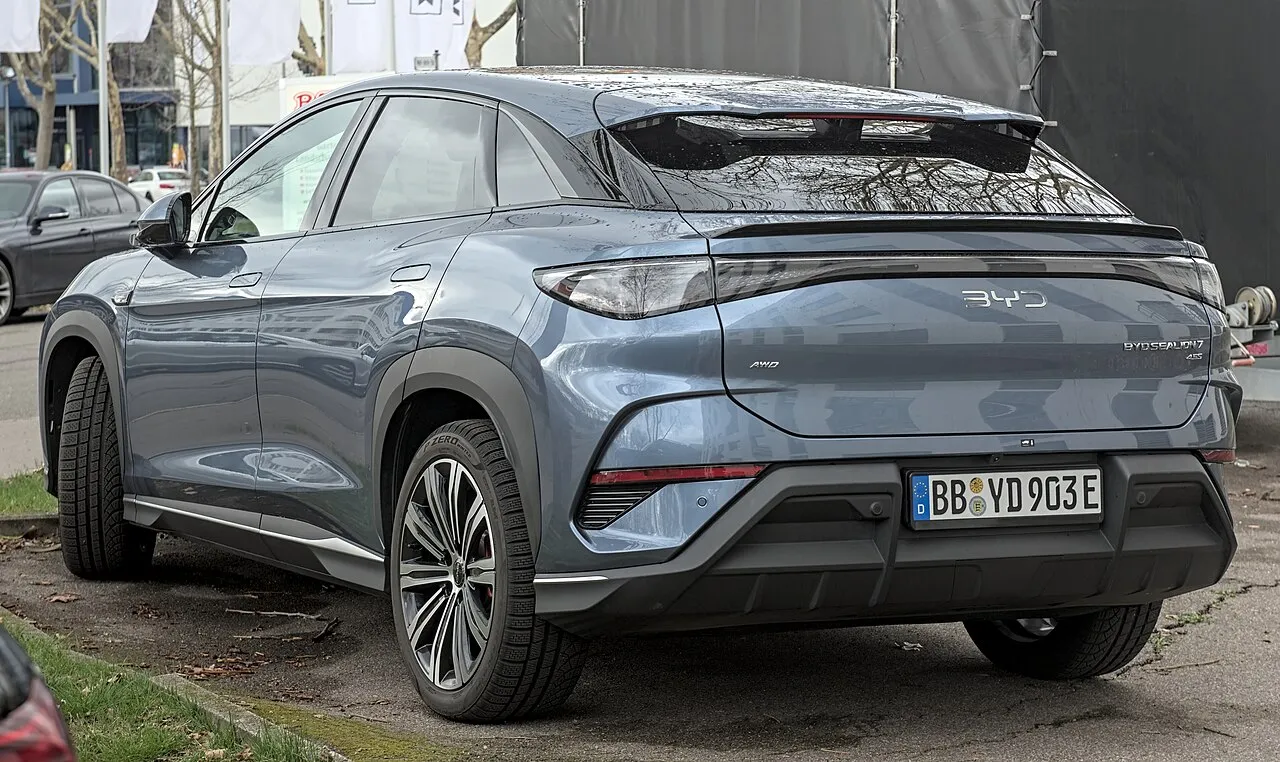
BYD Adds Storage at Busy Flash-Charging Stations in China
BYD is adding storage cabinets at busy flash-charging sites, but the fix may only delay slower charging where demand stays above the grid’s supply.
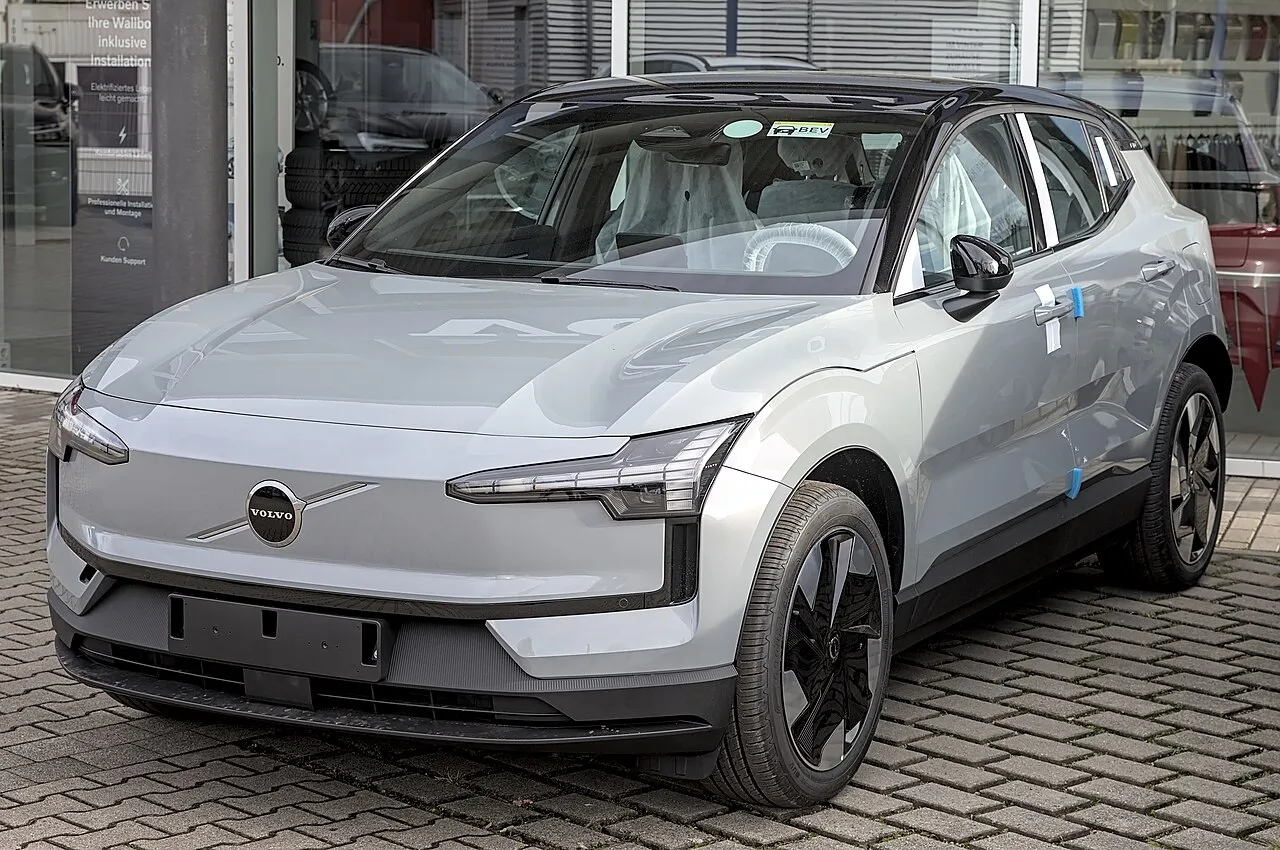
Updated Volvo XC60 PHEV Claims Up to 124 Miles of EV Range
Volvo’s updated XC60 plug-in hybrid pairs a 37.9-kWh battery with claimed electric range of up to 124 miles, while retaining a gasoline engine.