EV Power Sharing: V2L, V2H and V2G Compared
V2L runs devices from an EV, V2H can back up a home, and V2G sends energy to the grid. Learn which hardware, permissions and limits matter for each.

The short answer: V2L powers devices through an outlet on or connected to the EV. V2H connects a compatible EV to home electrical equipment, while V2G allows energy to flow from the EV to the grid.
V2L, V2H and V2G describe three different destinations for energy stored in an electric vehicle. Vehicle-to-load, or V2L, runs devices through an outlet on or connected to the car. Vehicle-to-home, or V2H, connects the car to household electrical circuits. Vehicle-to-grid, or V2G, allows energy to flow from the car onto the electric grid. The distinction matters because an EV with one of these features does not necessarily have the others.
All three depend on the vehicle allowing energy to flow out of its battery, but the connection determines what that energy can do. An outlet for a device is different from equipment wired into a house. A home that can use an EV during an outage also needs a way to disconnect safely from the grid. Sending energy to the grid adds utility rules and coordination. A feature name alone cannot establish that every part of a system will work together.
V2L: Power for devices
V2L is the most direct form of EV power sharing. The vehicle converts battery energy into electricity a compatible device can use, typically through a built-in outlet or a vehicle-specific outlet adapter. A driver might use it for a light, a tool or another appliance away from a household outlet. It can also be useful at home during an outage for individual devices that can be connected safely.
The outlet has a power limit, and each device has a power demand. A device that briefly draws extra power when it starts may also exceed what the outlet can handle, even if its normal demand seems modest. The vehicle's instructions determine which outlets or adapters are approved, how to activate the feature and what limits apply. Those details matter more than the presence of a household-style socket alone.
V2L does not turn the vehicle into a home backup system. Plugging a device into the car is different from energizing the circuits behind a home's outlets and switches. In particular, connecting a V2L outlet to a home outlet to feed the wiring backward is unsafe: it bypasses the equipment that separates a backup source from utility lines. For home circuits, the appropriate question is whether the vehicle supports a compatible, properly installed home power system.
V2H: Power for household circuits
V2H routes energy from the EV through compatible equipment into a home's electrical system. Depending on the installation, that system may serve selected circuits or a broader set of household loads. The vehicle, charging equipment and home equipment must support the same arrangement. A car advertised with bidirectional capability is only one part of that chain.
For outage backup, the home system must separate the house from the utility grid before the EV energizes its circuits. This separation protects people working on utility lines and prevents the home from trying to power the surrounding network. Suitable switching and electrical protection are therefore central to V2H, rather than optional accessories. Installation also has to match the home's wiring and applicable local requirements.
Backup capability does not mean every household appliance can run at once. The system has a limit on how much power it can deliver at a given moment, while the battery holds a finite amount of energy. Power determines which loads can operate together; stored energy helps determine how long they can keep operating. A home with large or simultaneous demands may need to prioritize circuits, even while considerable charge remains in the EV.
The driver also needs to decide how much charge to keep for travel. Some compatible systems allow a reserve to be set so home use stops before the battery reaches a chosen level. Whether an EV can begin or continue V2H operation when utility power is already out depends on the vehicle and the installed equipment. A claim that a car supports V2H should therefore be checked against the complete outage setup, including how it starts and how the car reconnects to charging afterward.
V2G: Energy sent to the grid
V2G goes beyond powering a device or a house: it allows the EV to export energy to the electric grid through an approved connection. That can make a parked vehicle a controllable energy resource. Depending on the arrangement, grid export might be scheduled around charging needs or requested as part of a utility program. The car must still retain enough charge for the driver's plans.
Grid interaction involves more than an EV capable of discharging. Compatible charging equipment has to move energy in the required direction, and the vehicle and equipment have to communicate about when to do so. The electrical connection, metering arrangement and utility rules must also permit export. Details can vary by location and program, so a vehicle's V2G capability does not by itself mean an owner can begin sending energy through an existing charger.
V2G is also distinct from ordinary managed charging. Delaying or slowing a charge session can change when a car draws electricity, but energy still flows into the vehicle. V2G includes flow out of the vehicle toward the grid. Similarly, V2H may let a house use energy from an EV without exporting that energy beyond the property. The direction and destination of the electricity are the useful tests for understanding each term.
Why the hardware matters
An EV battery stores electricity in a form that household devices and the grid cannot use directly. Converting that energy and controlling its flow require suitable power electronics. Depending on the design, conversion for a bidirectional home or grid connection can take place in the vehicle, in external equipment or across both. That is why a familiar-looking charging connector does not establish that two products support the same power-sharing function.
Communication matters too. The vehicle and connected equipment need to agree on operating limits and respond when conditions change. A home backup system must also respond correctly when grid power is lost or restored. For grid export, the connection has to operate within the utility's requirements. These are system functions, not features that can be inferred from battery size or from the fact that the EV can charge at home.
How to evaluate an EV's power-sharing claim
Start with the destination for the electricity. For portable devices, check whether the vehicle has V2L, where the usable outlet is, what equipment is approved and which devices its power limit can support. For household circuits, check for a complete V2H arrangement: a compatible vehicle, matching home equipment, an installation plan and clear instructions for outage operation. For grid export, check whether the vehicle and charging equipment support V2G under the local utility's rules.
Then consider the trade-off between using stored energy and keeping the car ready to drive. The amount of charge left, the power demanded by connected loads and the ability to recharge later all affect how useful any of these modes will be. V2L can be valuable without a home installation; V2H can serve a home without grid export; and V2G depends on a grid connection that accepts energy. Understanding those separate requirements makes the advertised feature easier to match to the job a driver actually wants it to do.
Frequently asked questions
Can a V2L outlet power a whole house?
No. V2L is intended for devices connected to the vehicle's approved outlet or adapter. Powering household circuits requires compatible V2H equipment and an appropriate installation.
Does V2H work during a power outage?
A compatible V2H backup system can power household circuits during an outage when it can safely separate the home from the grid. Outage operation depends on the vehicle and installed equipment.
Is V2G the same as charging an EV when electricity demand is low?
No. Adjusting when an EV charges changes when it draws power. V2G allows energy to flow from the EV toward the grid.
Does bidirectional capability guarantee V2G access?
No. Grid export also requires compatible charging equipment, an approved electrical connection and permission under the applicable utility rules.
Related stories

How EVs Convert Battery Power for Home and Device Use
Bidirectional charging takes more than an outlet: an EV needs power conversion, control logic and compatible hardware to send energy to a home or device.
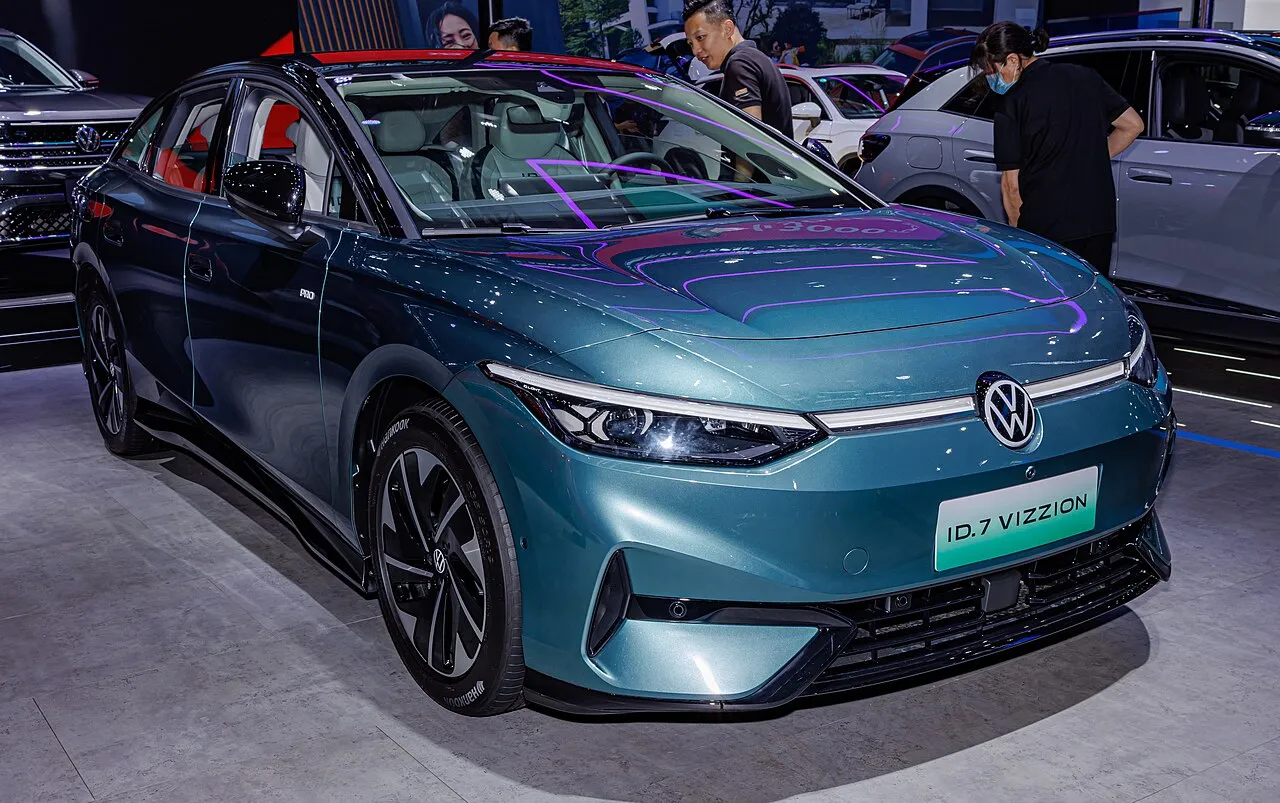
Volkswagen Elli Plans Paid Vehicle-to-Grid Charging in Germany
Volkswagen’s Elli is preparing a German V2G offer that pays owners to keep compatible EVs plugged in, with energy exports paid separately.

How EV Home Backup Cuts Loads to Protect Battery Reserve
An EV backup system can reduce household demand before the battery reaches its reserve. Here is what it can control, what it cannot, and why the settings matter.