Cybertruck Production to Wind Down as Tesla Expands Cybercab
Tesla plans to wind down Cybertruck production around mid-2027 to make room for Cybercab at its Texas factory, while continuing parts and service support.

The short answer: Tesla plans to begin winding down Cybertruck production at Giga Texas around mid-2027 to make room for more Cybercabs, according to Not a Tesla App. Tesla says Cybertruck parts and service support will continue.
Tesla plans to begin winding down Cybertruck production at Giga Texas around mid-2027, freeing factory space for increased Cybercab production, according to Not a Tesla App. The decision gives prospective pickup buyers an approximate end point for new Cybertruck production and shows where Tesla intends to put more of its Texas manufacturing capacity. The company plans to keep supporting existing trucks with parts and service after production winds down, the outlet reported.
Elon Musk announced the plan on X, according to Not a Tesla App. The timing is a target rather than a precise final build date: production is set to start winding down around mid-2027. The report does not establish when the last Cybertruck will leave the factory or when orders will close. For buyers considering a new truck, that distinction matters because a production wind-down can extend beyond the date it begins.
How the Cybertruck reached this point
Tesla unveiled the Cybertruck in November 2019 and began taking reservations immediately, according to Not a Tesla App. Deliveries began in November 2023 after several delays. If production ends around the planned wind-down, the pickup will have spent roughly three and a half years on sale. That would be a short sales run relative to the nearly four years between its unveiling and its first deliveries, though Tesla has announced a wind-down rather than an exact production end date.
The pickup has continued to change during its time on sale. Not a Tesla App reported recent additions including Powershare compatibility with Powerwall, which lets the Cybertruck power a home alongside a Powerwall, as well as new side repeater cameras and carbon fiber underbody armor. Those updates show that Tesla was still developing the truck ahead of the wind-down announcement. They do not change the company’s stated plan to shift factory space toward Cybercab.
There had also been signs of a narrower future for the truck outside its existing market. Tesla canceled Cybertruck reservations in Australia and New Zealand the month before the November 6 report, according to Not a Tesla App. That action affected reservations in those two countries; the reported Texas production plan is broader. Taken together, the decisions give would-be buyers a clearer picture of Tesla’s direction, while leaving the exact timing of the final Cybertruck build open.
Pricing and delivery figures
Cybertruck prices changed repeatedly during 2026, according to Not a Tesla App. Tesla introduced a Dual Motor AWD version in February at $59,990. About 10 days later, its price rose to $69,990. A further $5,000 increase in August put the cheapest Cybertruck at $74,990, the outlet reported. Those figures describe prices at different points in the year, rather than a range of prices offered at the same time.
The February version was positioned as a more practical work truck, according to Not a Tesla App. Its brief period at $59,990 is relevant to buyers looking back at the model’s affordability: that price lasted only about 10 days before the first increase. The later $74,990 figure was the reported price of the cheapest version after the August change. The report does not establish what a Cybertruck will cost at every point between now and the planned production wind-down.
Not a Tesla App identified sales as a central issue, but Tesla’s reported delivery figures do not isolate the Cybertruck. The outlet said Tesla delivered 12,364 vehicles in its “Other Models” category in the second quarter. That category includes the Cybertruck and Semi, along with the last Model S and Model X deliveries. During the same quarter, Tesla delivered more than 467,000 Model 3 and Model Y vehicles, according to the outlet.
That is a substantial difference between Tesla’s two reported groups, but the 12,364 figure cannot be treated as Cybertruck deliveries. It includes other vehicles, and the report gives no separate pickup count. The figures show that Tesla’s Model 3 and Model Y deliveries were far larger than its combined “Other Models” deliveries that quarter. They do not show precisely how many Cybertrucks customers received or how the pickup’s sales changed on their own.
Why Cybercab gets the factory space
Musk said the Cybertruck wind-down would make room for increased Cybercab production at Giga Texas, according to Not a Tesla App. The outlet reported that Cybercab uses Tesla’s unboxed manufacturing process and that the line is intended eventually to build one vehicle every 10 seconds. That rate is a future production goal in the report, rather than a measured current output. Freeing space for Cybercab would support Tesla’s effort to expand that line if the company carries out the plan.
Not a Tesla App also reported that Cybercab rides were set to expand beyond Austin and that Tesla was targeting the first customer deliveries for the end of 2026. Those plans help explain the timing of the factory decision: Tesla is preparing for more Cybercab activity while setting a mid-2027 target to begin winding down the pickup. The report gives targets for expansion and deliveries, not an exact schedule for how Cybertruck equipment or floor space will be reassigned.
The Texas factory reportedly added a second production shift to increase output, according to Not a Tesla App. A shift adds working hours, while Musk’s announcement concerns the longer-term use of factory space. The report does not quantify how much Cybercab output the additional shift produces or how many Cybertrucks it might affect. The stated direction, however, is clear: Tesla plans to prioritize more room for Cybercab as it winds down its electric pickup.
Cybertruck engineering will remain relevant to that vehicle, according to Wes Morrill, the pickup’s lead engineer. Not a Tesla App reported that Morrill described the Cybertruck as a technology development platform whose work carries into Cybercab. The outlet identified the truck’s 48-volt low-voltage architecture, steer-by-wire system and Etherloop wiring among the technologies carried over. A Cybertruck production wind-down therefore does not mean every piece of its engineering disappears from Tesla’s future vehicles.
What owners and buyers can expect
For current owners, the clearest commitment in the report concerns support. Morrill said Tesla would maintain spare parts and continue service support, according to Not a Tesla App. That commitment addresses a practical question raised by any planned end to vehicle production: whether owners will still be able to seek service once the factory turns its attention elsewhere. The report does not give a duration for that support or a detailed parts schedule.
Prospective buyers have a less precise timetable. The announced target is for production to begin winding down around mid-2027, according to Not a Tesla App. It is reasonable to expect the opportunity to buy a new Cybertruck to narrow as production winds down, but the report gives no final order date. Anyone making a purchase decision from the announcement has a broad production target, not a guaranteed deadline for placing an order or taking delivery.
The move follows another Tesla production shift reported by Not a Tesla App. Tesla closed Model S and Model X orders on March 31, and their Fremont production lines have since been turned over to Optimus production, the outlet said. Both vehicles had received price increases before orders closed. The Cybertruck has also seen price increases, but its announced Texas wind-down has its own stated purpose: creating room for increased Cybercab production.
What happens next depends on Tesla’s execution of that plan. The company is targeting Cybercab expansion and first customer deliveries before the planned Cybertruck wind-down begins, according to Not a Tesla App. For the pickup, the next concrete milestones are any changes to ordering and the start of the Texas production wind-down around mid-2027. Until Tesla sets firmer dates, the announcement establishes the direction of the factory and a service commitment to owners, while leaving the final Cybertruck production schedule unresolved.
Frequently asked questions
When will Tesla stop making the Cybertruck?
Tesla plans to begin winding down Cybertruck production around mid-2027, according to Not a Tesla App. An exact final production date has not been announced.
Why is Tesla winding down Cybertruck production?
Elon Musk said the change will make room for increased Cybercab production at Giga Texas, according to Not a Tesla App.
Will Tesla continue servicing Cybertrucks?
Yes. Cybertruck lead engineer Wes Morrill said Tesla will maintain spare parts and continue service support, according to Not a Tesla App.
How many Cybertrucks did Tesla deliver in the second quarter?
A separate Cybertruck figure was not reported. Tesla delivered 12,364 vehicles in its “Other Models” category, which also includes the Semi and the last Model S and Model X deliveries, according to Not a Tesla App.
Related stories
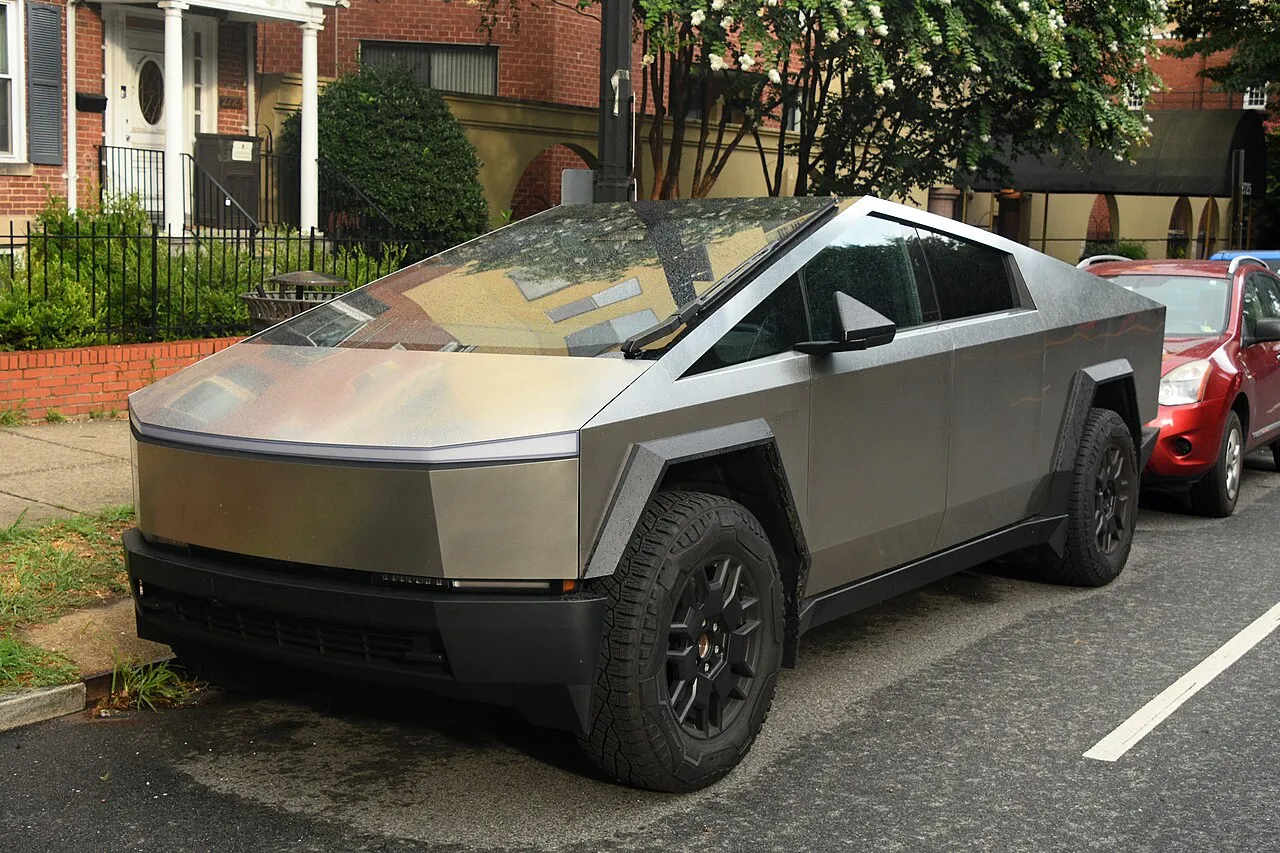
Tesla Offers Cybertruck Owners Refunds for PCS Repairs
Tesla is offering parts, labor and tax refunds to some 2024 and 2025 Cybertruck owners who paid to replace a failed power conversion system.
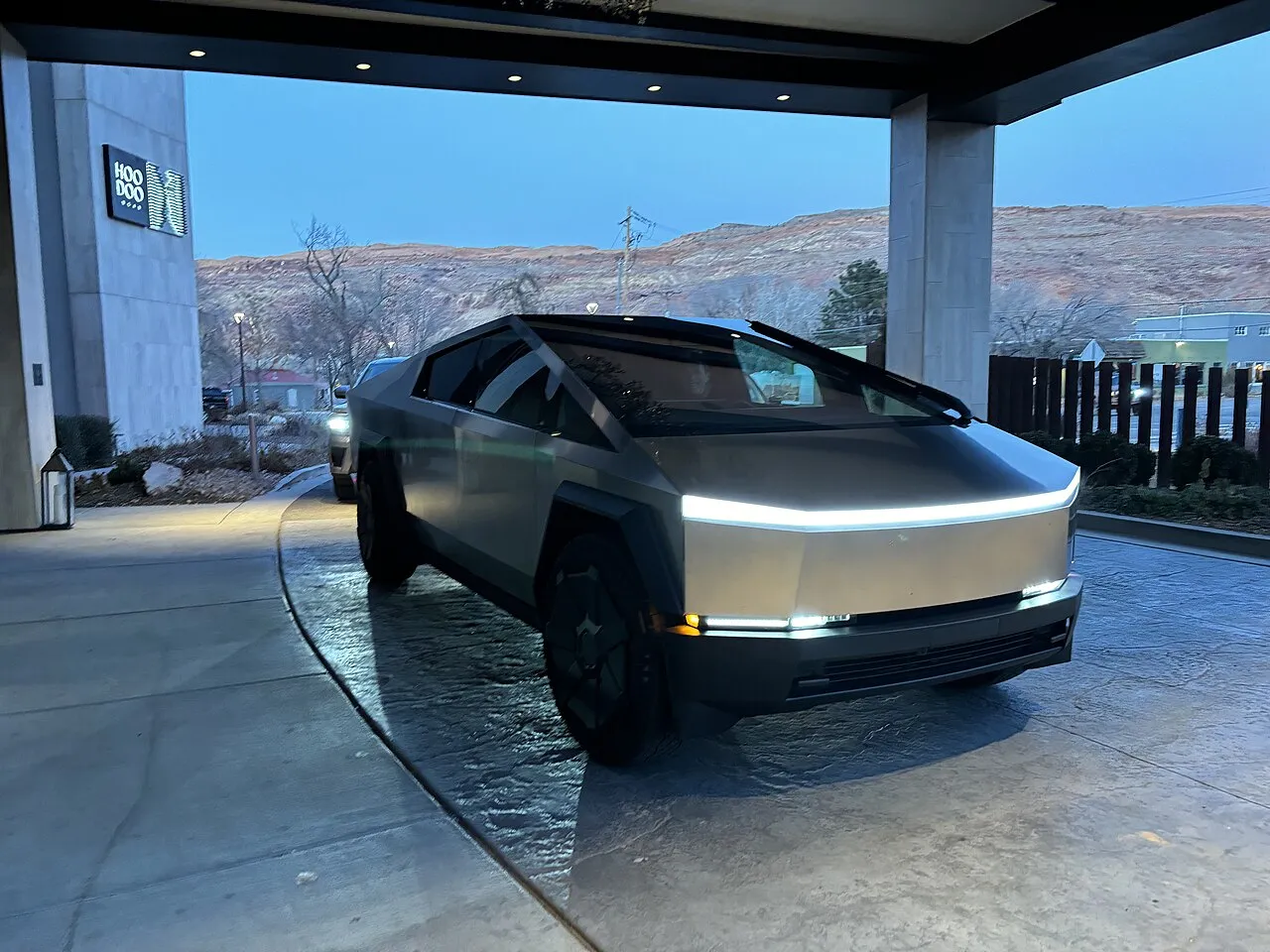
Tesla Tightens Cybertruck Turns for 2027 Models Only
Tesla is rolling out tighter turns for 2027 Cybertrucks, but has not published a new turning-circle figure. Earlier model years are excluded.
Tesla Robotaxi Plans Add Highway Speeds and Cybercab Hardware
Updated Tesla responder plans describe Cybercab hardware and roads posted up to 85 mph, but they do not establish when highway or owner rides will begin.