Can Your EV Power Your Home? What to Check First
Home backup from an EV depends on compatible vehicle hardware, charging equipment and a safe home installation. Learn what to confirm before buying anything.

The short answer: Check that your exact EV supports vehicle-to-home power, that compatible equipment can convert and control its output, and that your home can be safely disconnected from the grid during an outage. Confirm the complete setup with the vehicle and equipment makers and a qualified installer before buying.
An EV can power a home during an outage only if the vehicle, charging equipment and home electrical installation work together as a supported backup system. Start with the exact vehicle model and configuration, then check the compatible equipment and the work required at your electrical panel. A charge port or an outlet on the vehicle does not, by itself, establish support for home backup.
Check what the vehicle can actually do
Look for explicit vehicle-to-home support, often shortened to V2H, in information for your exact vehicle. Match the model year, market, trim, battery configuration and any required software or equipment. A feature announced for one version may not apply to another. Ask whether home backup is available now, what hardware enables it and which charging systems the vehicle maker supports. If an answer depends on a future update, treat the feature as unavailable until its requirements and availability are confirmed.
It helps to distinguish several ways an EV can send power out. Vehicle-to-load, or V2L, can run appliances from an outlet or adapter. It does not necessarily connect the EV to a home electrical panel. Vehicle-to-home refers to a controlled connection that can energize eligible home circuits. Vehicle-to-grid refers to sending power toward the utility grid under an approved arrangement. Support for one of these functions does not automatically establish support for the others. Ask the maker which function it permits and through which equipment.
Also check how the vehicle behaves when the grid fails. Can it start a backup session while parked and plugged in, or must the driver take action? Can it resume power after a temporary interruption? Does it stop when the battery reaches a driver-selected reserve level? These details affect whether the system will be useful when nobody is home. Confirm where the backup settings live, who can change them and whether the vehicle must meet any conditions before it will export power.
Match the vehicle to the charging equipment
A bidirectional home backup system needs equipment designed to accept power from that vehicle and deliver usable electricity to the home. Depending on the system, power conversion and controls may be in the vehicle, the charging equipment or other installed hardware. The important question is whether the makers identify the exact combination as compatible. A charging connector that physically fits is not enough to establish that the vehicle and equipment can communicate and export power together.
Ask for the supported vehicle models and configurations in the equipment maker’s compatibility information. Check whether a particular charger, inverter, gateway or other component is required, and whether the vehicle maker recognizes that combination for home backup. Confirm the equipment’s output capabilities and which loads it is intended to serve. A system that can run selected circuits has a different practical role from one intended to supply a larger share of the house.
Ordinary home charging draws power from the house to charge the EV. Reversing that flow requires compatible controls as well as an electrical path designed for it. An adapter or a conventional charging station does not become a home backup system merely because the EV can export power somewhere else. Likewise, an appliance plugged into a vehicle outlet is a separate use from wiring the vehicle into home circuits. Keep those arrangements distinct when comparing product claims.
Find out how the house will disconnect from the grid
During a utility outage, a home backup installation must keep the home’s energized circuits isolated from the utility grid. Otherwise, power from the EV could flow onto lines outside the home. Ask the installer what transfer equipment or other approved isolation arrangement the system uses and how it responds when utility power is lost or restored. The transition may be automatic or may require action from the homeowner, depending on the design.
The installer should identify where the backup equipment connects to the electrical system and which circuits it will serve. This may involve a panel for selected loads or another arrangement suited to the home and supported equipment. Have the installer review the electrical panel, available space, wiring and major loads before deciding what the EV can run. A vehicle’s ability to export power is only part of the answer: the equipment and installation must also support the demands of the chosen circuits.
Do not assume that plugging a vehicle outlet into a household receptacle is a way to power the house. Home backup needs a purpose-built, approved connection that controls where electricity can flow. A qualified electrician can determine the installation and permit requirements that apply locally, while the utility can explain any requirements for equipment connected to its service. Make those checks before committing to a particular vehicle-and-charger combination.
Decide which loads matter most
Make a list of what you would want powered during an outage and share it with the installer. Consider both equipment that runs continuously and devices with demanding startup behavior, such as motor-driven appliances. The goal is to establish whether the backup system can start and operate the selected loads together, not simply whether each item can run on its own. An installer can help choose circuits and explain any load controls needed to keep demand within the system’s capabilities.
Ask how long backup might last under your intended use, but treat any estimate as conditional. The energy available depends on the charge in the EV battery when the outage begins, the reserve you keep for driving, and how much electricity the home uses. Heating, cooling and other large loads can change the result substantially. Confirm whether you can adjust the vehicle’s reserve setting and whether the system will stop supplying the home before the battery reaches that threshold.
Plan for the car to leave, too. If the EV is away from home, unplugged or being used for transportation, it cannot serve as the connected backup source. A household that relies on the car for regular trips should decide how much battery energy to preserve and which home loads are priorities. This is a practical limit even when every component is compatible.
Check how backup works with the rest of the home
If the home has solar panels, a stationary battery or a generator, ask how the proposed EV system interacts with each one. Existing equipment may have its own controls for detecting outages and isolating the home from the grid. The installer needs to confirm that the systems can operate together under a supported design. Do not assume that solar will keep generating during an outage or that adding an EV will make an existing backup system accept another power source.
Clarify what happens when utility power returns. Ask whether the system transfers the home back automatically, whether the EV begins charging again and how its reserve settings affect that behavior. Also ask what happens if the car is unplugged during backup or if a fault stops power export. Knowing the sequence makes it easier to set expectations for anyone who may be at home during an outage.
Get the complete system confirmed before buying
Bring the installer the exact vehicle details, the charging equipment under consideration and the circuits you want backed up. Ask for a plan that identifies all required components, the connection to the home, the isolation method and the steps needed to operate the system. Then verify vehicle compatibility with the vehicle maker and equipment compatibility with the equipment maker. Where applicable, ask about software requirements, installation approval and warranty conditions for backup use.
Finally, have the completed installation demonstrated. The demonstration should show how backup starts, which circuits receive power, how to read the vehicle’s battery reserve and how the home returns to normal operation. Understanding those steps is as useful as confirming compatibility: it tells you what the system will actually do when the grid is down.
Frequently asked questions
Does an EV with an external power outlet support home backup?
Not necessarily. An outlet may support vehicle-to-load use for individual devices without supporting a controlled connection to home circuits.
Is a compatible charging plug enough for vehicle-to-home power?
No. Confirm that the exact vehicle and charging equipment support power export together, including any required controls and other installed components.
Why does an EV home backup system need to disconnect from the grid?
Isolation keeps electricity from the EV from flowing onto utility lines during an outage. An installer should identify the approved equipment that performs this function.
What determines how long an EV can power a home?
It depends on the battery charge when backup begins, the energy reserved for driving and the electricity used by the circuits receiving backup power.
Related stories

How EVs Convert Battery Power for Home and Device Use
Bidirectional charging takes more than an outlet: an EV needs power conversion, control logic and compatible hardware to send energy to a home or device.
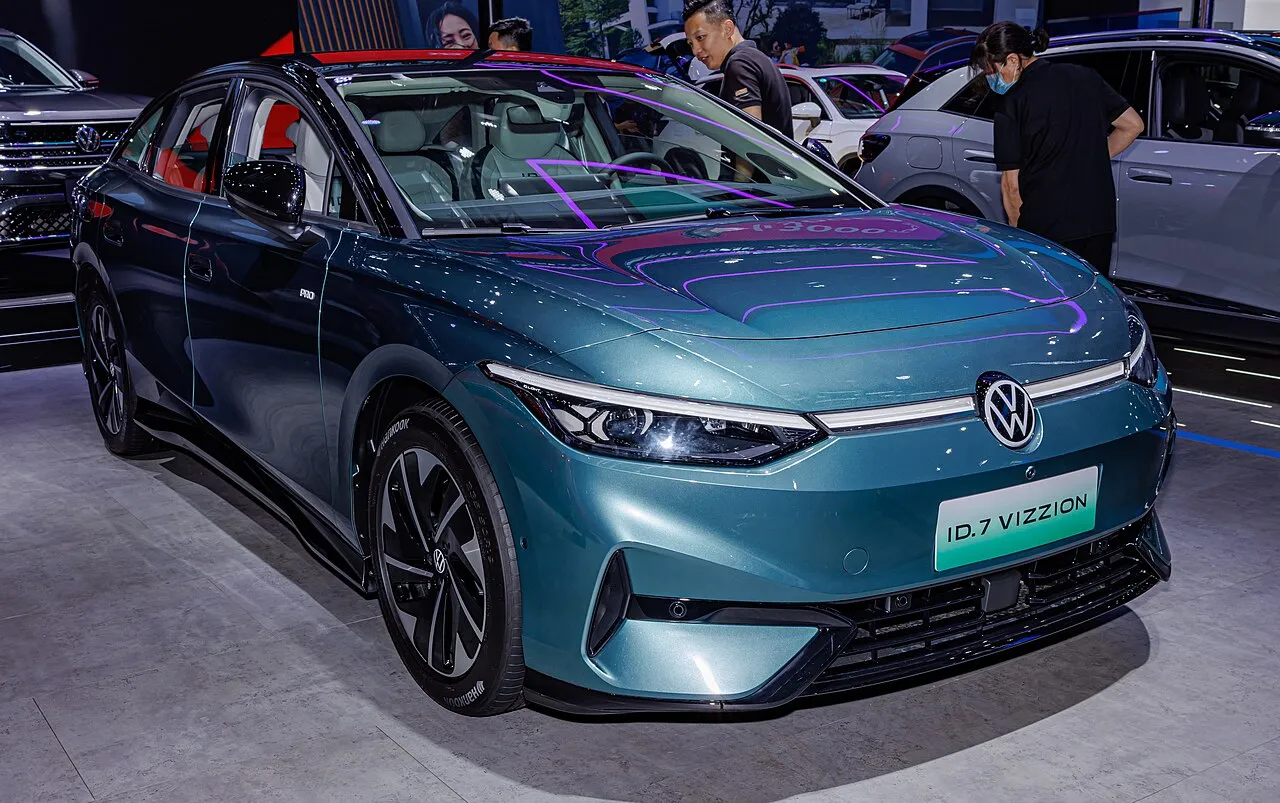
Volkswagen Elli Plans Paid Vehicle-to-Grid Charging in Germany
Volkswagen’s Elli is preparing a German V2G offer that pays owners to keep compatible EVs plugged in, with energy exports paid separately.

How EV Home Backup Cuts Loads to Protect Battery Reserve
An EV backup system can reduce household demand before the battery reaches its reserve. Here is what it can control, what it cannot, and why the settings matter.