Can a Home Use Backup Power From Two EVs at Once?
Two bidirectional EVs can share home backup duties only with compatible equipment and controls. Connecting both does not automatically combine their power.

The short answer: Two bidirectional EVs can power the same home together only when the vehicles, power-conversion equipment, and home electrical system explicitly support coordinated operation. Two independently compatible backup systems cannot simply be connected together to combine their output.
Two bidirectional EVs can power the same home together, but only through a system designed to coordinate both sources. Each vehicle’s ability to power a home does not establish that the pair can operate together. The vehicles, power-conversion equipment, controls, and home electrical connections must support the intended arrangement.
The distinction is between having two available batteries and having an electrical system that can safely use both. A supported design might combine their output, switch between them, or assign them to separate circuits. Those arrangements deliver different benefits and require different controls.
Bidirectional capability does not establish compatibility
Bidirectional charging allows energy to move out of a vehicle’s battery as well as into it. But the destination matters. Vehicle-to-load capability powers compatible appliances or devices; vehicle-to-home capability works through equipment intended to serve household circuits. Vehicle-to-grid operation involves exporting electricity through an interconnected utility system.
These capabilities are not interchangeable. An outlet intended for appliances does not establish permission to energize a home’s wiring. Likewise, a vehicle that works with one home backup installation does not necessarily work with another vehicle’s backup equipment.
Compatibility also extends beyond the connector. A physical connection cannot establish whether a vehicle will authorize discharge, whether the equipment can convert its power appropriately, or whether the controls can coordinate multiple sources. Support must cover the complete operating arrangement.
Why two independent sources cannot simply be joined
A home uses alternating current, while an EV battery stores energy as direct current. An inverter converts that battery energy into usable AC power. Depending on the system, this conversion can take place in the vehicle or in equipment outside it.
When AC sources share an electrical connection, their voltage, frequency, and phase must work together. Their controls must also determine how they divide the load. Without compatible operation, connecting two outputs can cause protective shutdowns or damaging current between sources instead of useful power for the home.
During an outage, something must establish the local electrical reference that household equipment follows. Two independent backup systems may each try to establish that reference. Their individual ability to run a home does not prove that their inverters can operate in parallel.
A supported system resolves this through an intentional control arrangement. One source may establish the reference while another follows it, or compatible sources may share that responsibility through coordinated controls. The essential requirement is that the equipment is designed for the arrangement.
The electrical architecture determines what is possible
There is no universal wiring shortcut for combining two EV batteries. A system’s architecture determines where energy is converted, where sources meet, and which equipment controls the connection to the home.
Combining power on the AC side
One possible architecture uses separate power converters connected to a shared AC system. This requires equipment that explicitly supports parallel operation, including coordinated load sharing and compatible protection. Merely installing two bidirectional chargers does not create those capabilities.
The controls must account for each vehicle’s available output and operating limits. If one vehicle reduces its contribution or disconnects, the remaining source must respond without being asked to carry more than it can support. That response may include reducing household demand or shutting down selected circuits.
Combining power through shared conversion equipment
Another possible architecture brings energy from multiple batteries into shared conversion equipment. Such a design still needs controlled interfaces for each vehicle, compatible communications, and protection against unintended current flow. Directly joining vehicle batteries is not an acceptable substitute.
A shared inverter also creates a common output limit. Access to more battery energy does not automatically increase the power that the inverter or home connection can deliver. The supported system determines both the usable energy and the maximum household load.
Sharing backup duties can mean different things
Before evaluating compatibility, distinguish the intended outcome. Simultaneous operation, sequential operation, and separate-circuit backup solve different problems.
- Simultaneous operation: Both vehicles contribute to a shared home electrical system at the same time. This requires explicit support for combining and controlling the sources.
- Sequential operation: One vehicle powers the selected circuits, then a supported switching arrangement transfers the job to the other. This can extend access to stored energy without adding the vehicles’ power outputs together.
- Separate-circuit operation: Each source serves electrically separated circuits through an appropriate design. Both may operate at once, but their outputs are not combined into one shared source.
Sequential operation does not necessarily mean seamless operation. Whether household equipment experiences an interruption depends on the switching design. Separate-circuit operation also requires care: the installation must preserve the intended separation and prevent unintended connections between sources.
The home must be isolated from the utility during backup
Outage backup requires a means of isolating the home’s backed-up electrical system from the utility connection. Otherwise, a local source could energize utility wiring that is expected to be de-energized. Appropriate transfer or isolation equipment establishes the boundary between the utility and the backup system.
With multiple sources, that boundary must encompass the complete arrangement. Adding another vehicle cannot bypass the isolation equipment or introduce an uncontrolled path back to the grid. Protective devices, grounding, and neutral arrangements must also suit the system’s supported operating modes.
Grid-connected export is a separate operating condition. Equipment that can coordinate export while the utility grid is present does not automatically support shared backup during an outage. The grid normally establishes the electrical reference; an isolated home needs equipment capable of establishing that reference itself.
More stored energy does not guarantee more usable power
Battery energy determines how much electricity is available over time. Power determines how much demand the system can serve at a particular moment. Adding access to a second battery may improve backup endurance while leaving the home’s instantaneous power limit unchanged.
The limiting component could be a vehicle’s discharge capability, an inverter, shared equipment, or the electrical connection serving the backed-up circuits. Household loads also change abruptly when appliances start. A coordinated system must handle those changes within its supported limits.
Vehicle availability matters, too. Either car may reach its discharge reserve, leave the home, or stop exporting because of an operating limit. Controls need a defined response: shift the load, reduce demand, transfer sources, or stop backup operation safely. Assuming that the second car will always compensate is not sufficient.
What establishes that a two-vehicle setup is supported?
The decisive evidence is explicit documentation for the complete configuration, followed by an electrical design that implements it. A general statement that a vehicle supports bidirectional charging is only the starting point.
- Vehicle compatibility: Both vehicles must support discharge through the intended equipment and operating mode.
- Multiple-source support: The equipment documentation must cover the intended simultaneous, sequential, or separate-circuit arrangement.
- Coordinated controls: The design must define how sources start, share demand, reach discharge limits, and disconnect.
- Home integration: Transfer equipment, circuit protection, and backed-up loads must fit the complete installation.
A qualified installer should be able to identify which documented arrangement the design follows and explain what happens when either vehicle becomes unavailable. If the equipment supports only one vehicle at a time, adding a second connection does not establish simultaneous capability.
For a household planning around two EVs, the useful question is therefore specific: does this complete system support both vehicles in the desired operating mode? Only an explicit answer establishes whether the benefit is combined output, longer backup availability, or separate coverage for different circuits.
Frequently asked questions
Can two bidirectional EVs power a home at the same time?
Yes, if the complete system explicitly supports coordinated operation of both vehicles. Independent home backup capability does not establish that two vehicle outputs can operate together.
Will a second EV double the home's backup power?
Not automatically. Usable power remains limited by the vehicles, conversion equipment, controls, and home electrical connection. A second battery may extend backup availability without increasing maximum output.
Can one EV take over when the other reaches its discharge reserve?
A system designed for sequential operation can transfer backup duties between vehicles. Whether that transfer interrupts power depends on the switching arrangement.
Does vehicle-to-load capability mean an EV can join a home backup system?
No. Powering appliances through a vehicle outlet does not establish compatibility with household wiring or another power source. Home integration requires equipment and controls intended for that use.
Does support for grid export also establish two-vehicle outage backup?
No. Grid-connected export and isolated home backup have different control requirements. During an outage, compatible equipment must establish the home's electrical reference and coordinate the connected sources.
Related stories

How EVs Convert Battery Power for Home and Device Use
Bidirectional charging takes more than an outlet: an EV needs power conversion, control logic and compatible hardware to send energy to a home or device.
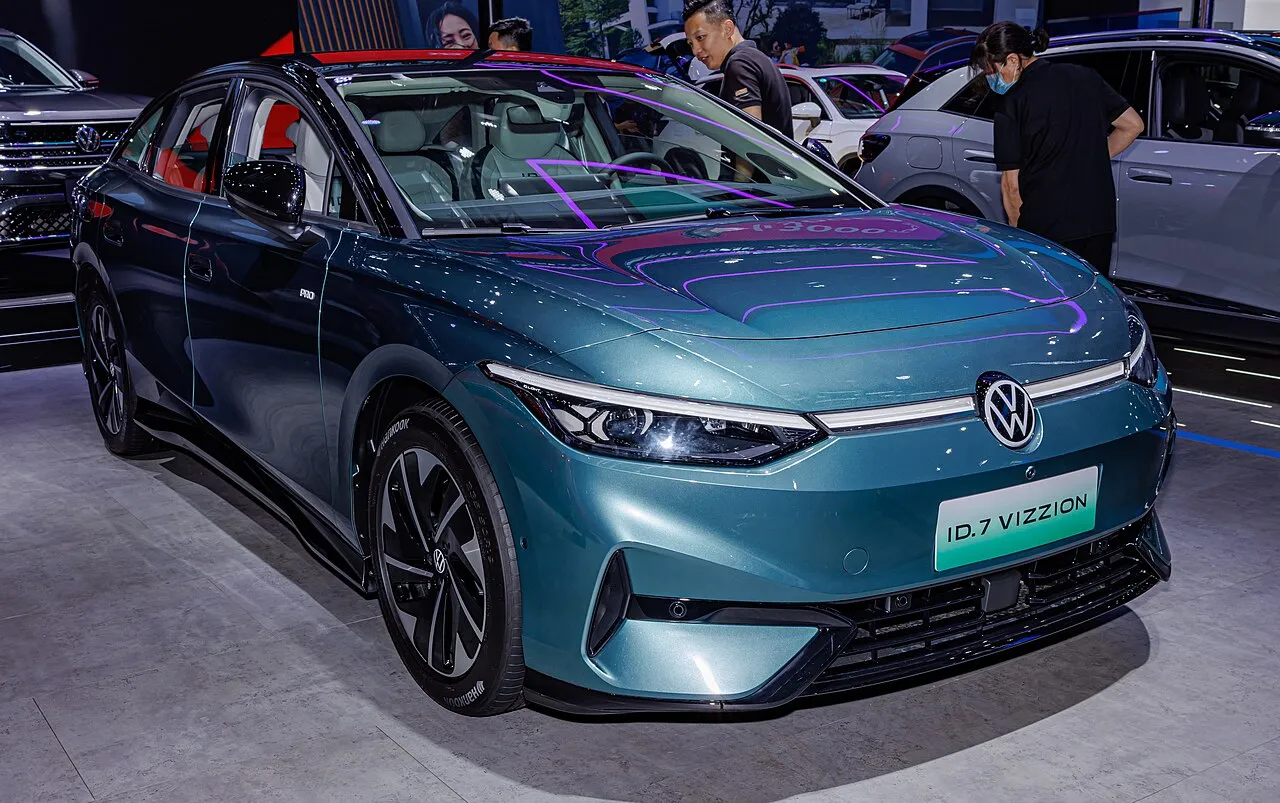
Volkswagen Elli Plans Paid Vehicle-to-Grid Charging in Germany
Volkswagen’s Elli is preparing a German V2G offer that pays owners to keep compatible EVs plugged in, with energy exports paid separately.

How EV Home Backup Cuts Loads to Protect Battery Reserve
An EV backup system can reduce household demand before the battery reaches its reserve. Here is what it can control, what it cannot, and why the settings matter.