BYD DOLPHIN Passenger and Cargo Space: What to Check
The BYD DOLPHIN's exterior dimensions help frame the question, but passenger comfort and cargo fit depend on the people and items you bring along.
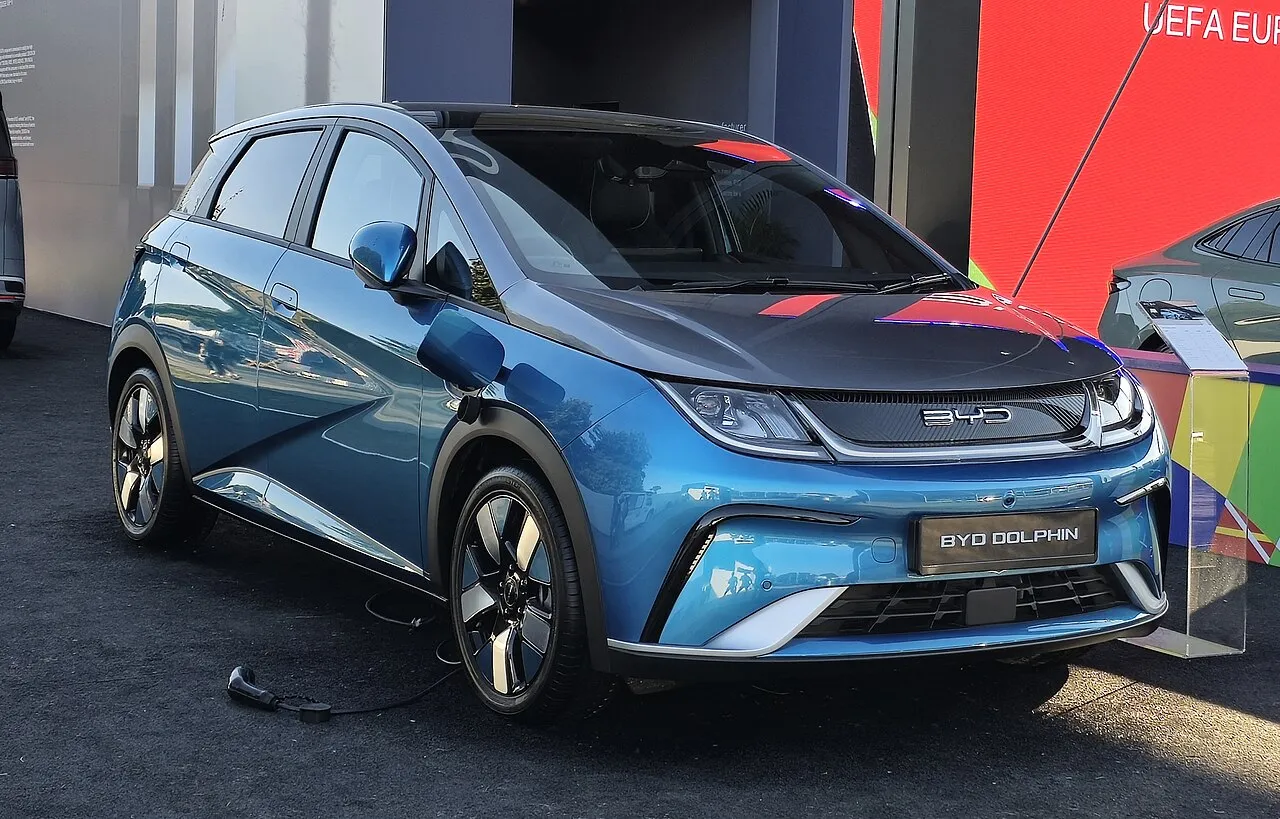
The short answer: The BYD DOLPHIN is a hatchback measuring 4,290 mm long, 1,770 mm wide, and 1,550 mm tall in the European versions covered here. Those figures cannot tell you whether your passengers and belongings will fit comfortably; check the cabin, access points, and cargo area with your usual setup.
The BYD DOLPHIN gives prospective owners a compact hatchback shape to assess, but its exterior size is only a starting point. For the European versions covered here, the useful question is whether your regular passengers can get in, sit comfortably, and ride alongside the things you carry. Bring the people and belongings that make your routine demanding, then check the space with the seats positioned as you would use them.
What the dimensions tell you
OpenEV Data and EVDB report the same exterior dimensions and wheelbase for these European DOLPHIN versions. That makes the figures useful for judging parking space or comparing the vehicle's overall footprint with a car you know. They do not establish rear legroom, shoulder room, doorway clearance, or cargo volume. A wheelbase measures the distance between the axles; it does not describe how that distance is divided among the cabin, seats, and cargo area.
| Version and market | Exterior length, width, height | Wheelbase | Figure type and source |
|---|---|---|---|
| Europe, 2025 Boost | 4,290 × 1,770 × 1,550 mm | 2,700 mm | Physical dimensions; no driving test standard. OpenEV Data. |
| Europe, 2025 Design | 4,290 × 1,770 × 1,550 mm | 2,700 mm | Physical dimensions; no driving test standard. EVDB. |
| Europe, 2025 Premium Extended Range | 4,290 × 1,770 × 1,550 mm | 2,700 mm | Physical dimensions; no driving test standard. OpenEV Data. |
| Europe, 2025 Standard | 4,290 × 1,770 × 1,550 mm | 2,700 mm | Physical dimensions; no driving test standard. OpenEV Data. |
These are European vehicle figures, so they should not be treated as dimensions for an unspecified DOLPHIN in another market. If you are shopping in the United States, identify the exact vehicle and market before using these measurements to judge a parking spot or storage space. The table describes the outside of the vehicle; it cannot settle how a passenger or a particular object will fit inside.
Set up the front seats before judging the rear
Begin with the people who normally sit in front. Have each person adjust the seat and steering position for an ordinary drive, including a comfortable distance from the controls. Only then should rear passengers try their places. Sliding a front seat forward to make the rear look roomy produces a result that may disappear as soon as the driver gets back in.
Ask rear passengers to get in and out, then sit with their feet where they would keep them on a trip. Check knee space, foot space beneath the front seats, head clearance, and the angle of the sitting position. A person may have enough room to sit still but find the doorway awkward or the posture uncomfortable. If several people regularly travel together, assess them together: each person's preferred position affects the space available to someone else.
Doorway access deserves its own check. Watch whether a passenger must turn sharply, duck, or step around the door opening, particularly if they will make the same trip every day. Try the vehicle in a parking space similar to the one you use at home, if possible. A seat can feel easy to reach with a door fully open yet become less convenient when a neighboring car or wall limits the opening.
Check child seats as a complete setup
If your household uses child seats, bring the actual seats and follow their instructions and the vehicle's instructions for installation. The fit of a child seat is more involved than placing its base on the cushion. Its shape, required angle, installation method, and the space needed to secure a child can all affect how the rest of the cabin works.
Install each seat in an approved position and put the front seats back where their occupants need them. Then check whether the front passenger has comfortable space, whether another rear passenger can sit as planned, and whether an adult can reach the child for buckling. For a rear-facing seat, pay particular attention to the space it needs behind the front seat. For any child seat, verify the installation using the applicable instructions rather than assuming that a seat which appears to fit is correctly secured.
Repeat the exercise with the combination your household actually uses. One child seat and an empty rear bench answer a different question from child seats alongside another passenger. The same principle applies to booster seats: check that the intended passenger can reach and use the belt as instructed. Exterior width alone cannot resolve these details.
Measure cargo by the trip you need to make
A cargo volume figure for these DOLPHIN versions has not been published here. Even with a volume figure, a bulky item's shape can matter more than a single capacity number. A suitcase, folded stroller, mobility aid, or large box must pass through the hatch opening before the available floor space matters. Use your own items to check the opening, the distance from the hatch to the rear seats, and the clearance above the load.
Start with the rear seats in the position needed for your passengers. Place your usual belongings inside in the order you would load them, including small bags that must travel with a larger item. Check whether the hatch closes without pressing on the load. If an item fits only diagonally, consider whether it prevents you from packing anything else you normally carry.
Next, consider the full loading task. Can you lift the item over the cargo edge, turn it through the opening, and remove it again? A box that occupies a manageable amount of floor space may still be awkward if the opening forces it to tilt. For an item with rigid dimensions, bring it or measure its widest, tallest, and longest points, including handles and wheels. Compare those points with the usable opening and interior space of the particular vehicle you are considering.
Keep the hatch closed for a final fit check. A load that appears to fit while the hatch is raised may extend into the space it needs to close. Also check that bags stay clear of the driver's view and can be secured appropriately. The aim is a usable arrangement for a normal trip, not a one-time packing puzzle.
Test passengers and cargo together
The most revealing check combines the two sides of the question. Seat your regular passengers, set the front seats for driving, install any child seats correctly, and then load what those people typically bring. This exposes conflicts that separate passenger and cargo checks can miss, such as a large item needing the space a rear passenger uses.
If a vehicle you are viewing allows a different rear-seat arrangement, try it only in a way that leaves the required passenger places available. Confirm how the seatbacks operate on that particular vehicle before planning around them. A cargo solution that requires a passenger to stay home is not a solution for a trip the household makes together.
Finally, use your hardest regular outing as the benchmark rather than an unusually light errand or a rare move. Think about the trip with all usual occupants and the belongings that accompany them. If that setup fits without forcing uncomfortable seating, blocking access, or making the hatch difficult to close, the DOLPHIN's layout may suit your routine. If it does not, its exterior dimensions alone are no reason to expect a better result in daily use.
Frequently asked questions
How large is the BYD DOLPHIN?
OpenEV Data and EVDB report that the 2025 European versions covered here measure 4,290 mm long, 1,770 mm wide, and 1,550 mm tall, with a 2,700 mm wheelbase. These are physical dimensions, not figures from a driving test standard.
Do those dimensions show how much rear legroom the DOLPHIN has?
No. Exterior dimensions and wheelbase do not establish rear legroom. Set the front seats for their regular occupants, then have rear passengers check their sitting position and access.
Will a stroller or large suitcase fit in the DOLPHIN?
The exterior measurements cannot answer that for a particular item. Check the item's fit through the hatch opening and inside the cargo area with the passenger seats positioned as you need them.
What should families check before choosing a DOLPHIN?
Try the household's actual passenger arrangement and child seats, following the seat and vehicle instructions. Then load the belongings that normally travel with those passengers and check that the hatch closes.
Related stories

How to Choose an EV for Caregiving and Support Trips
Compare passenger access, rear-seat comfort, equipment storage and charging routines to find an EV that fits recurring appointments and support trips.

How to Choose an EV for Your Dog and Travel Gear
Compare an EV’s entry points, secure travel area, climate controls and cleanability with your dog and gear on hand before choosing a vehicle.
Kia EV3 vs. BYD ATTO 3: Which SUV Fits Daily Life?
The Kia EV3 and BYD ATTO 3 suit different daily needs. Compare market-specific range figures, dimensions and charging, then check cargo access and fit in person.