Bidirectional EV Charging: How Power Flows Back Out
Bidirectional charging lets an EV battery send energy out as well as take it in. Learn how vehicle-to-load, vehicle-to-home and vehicle-to-grid uses differ.

The short answer: Bidirectional charging uses hardware that lets energy flow both into and out of an EV battery. That outward flow can serve a device, a home or the electric grid, depending on the setup.
Bidirectional charging means an EV battery can receive energy and send it back out. Charging ordinarily describes energy flowing into the battery. With bidirectional charging hardware, that flow can also go the other way. The destination determines the use: vehicle-to-load (V2L) sends energy to an electrical load, vehicle-to-home (V2H) sends it toward a home, and vehicle-to-grid (V2G) sends it toward the electric grid. The shared idea is an outward flow from the vehicle battery, but the destination matters when considering what an owner wants the feature to do.
How does bidirectional charging work?
Think of the battery as an energy store with two possible directions of flow. When the vehicle charges, energy enters that store. When a bidirectional setup sends power out, some of the stored energy leaves it for another use. The phrase describes this ability to reverse the direction of energy flow; it does not, by itself, identify where the energy goes or what an owner can connect. A claim that an EV supports bidirectional charging therefore needs a second question: bidirectional charging for what purpose?
That distinction is useful because the vehicle battery is only one part of the arrangement. An outward flow has to reach its intended destination through suitable charging hardware. A device, a home and the electric grid are different destinations. Knowing that a battery can send energy outward establishes the basic capability, but it does not establish that every outward use is available with the same setup. The most useful description of a feature names both the direction of flow and the intended destination.
V2L, V2H and V2G: what changes?
The three names describe where energy from the vehicle is meant to go. They are related uses of bidirectional charging, not three names for precisely the same outcome:
- Vehicle-to-load (V2L) means the vehicle sends energy to a load, such as an electrical device. The focus is the thing receiving power, rather than an entire home or the wider grid.
- Vehicle-to-home (V2H) means energy from the vehicle is directed toward a home. This is the relevant term when the question is whether stored vehicle energy can serve household needs.
- Vehicle-to-grid (V2G) means energy from the vehicle is directed toward the electric grid. The receiving system is broader than a single device or home.
These terms help keep a discussion of capability precise. Someone interested in powering a device is asking about V2L, even if an article or product description uses the broader phrase bidirectional charging. Someone asking about a home is asking about V2H. Someone asking whether a vehicle can send energy to the grid is asking about V2G. Each question begins with the same battery, yet it ends at a different destination. An answer about one destination should not be read as an answer about the others.
The difference between V2H and V2G is especially easy to overlook because both involve destinations beyond a device. A home is the destination in V2H; the grid is the destination in V2G. A vehicle that can send energy toward a home has not, on that fact alone, been shown to send it toward the grid. Likewise, describing a grid use does not explain how a particular home would receive power. The labels tell readers which outward path is under discussion.
Why might an EV owner care?
For an owner, the appeal is that energy already stored in the vehicle might have a use beyond driving. V2L raises the possibility of powering a load from the vehicle. V2H raises the possibility of using that stored energy at home. V2G raises the possibility of sending it to the grid. Those are different reasons to seek the feature, so the value of a bidirectional claim depends on the owner’s intended use. A person who wants to power one device and a person who wants to serve a home are asking for different capabilities.
Every outward use also involves a choice about the battery’s stored energy. Energy sent to a load, home or grid is energy that has left the vehicle battery. An owner deciding when to use bidirectional charging would therefore have to consider the vehicle’s next use as well as the immediate demand for power. This follows from the direction of flow: the same stored energy cannot remain in the battery while it is being sent elsewhere. The term describes an option for using stored energy, not an extra source of it.
Direction alone says little about the scale of that option. Calling a feature bidirectional does not tell an owner how much energy can be sent out, how quickly it can be sent, or how long a particular load could run. Those questions depend on the vehicle and the arrangement used for the intended destination. Without those details, the sound conclusion is narrower: the hardware permits energy to flow out of the battery. It is premature to infer what that outward flow could accomplish in a particular household or for a particular device.
Common misconceptions about bidirectional charging
“Bidirectional charging means V2G.” V2G is one possible use, not the whole definition. The broader term also covers V2L and V2H. If the destination is a load, the more precise term is V2L; if it is a home, it is V2H. Calling every outward use V2G obscures the question an owner is trying to answer: where will the energy go?
“If an EV charges, it can send energy back out.” Receiving energy and sending it out are different capabilities. The defining feature of bidirectional charging is hardware that permits flow in both directions. The fact that a vehicle battery can be charged establishes the inward direction. It says nothing on its own about whether the vehicle and its charging setup can support an outward flow.
“Support for one outward use means support for all three.” The shared principle does not make the destinations interchangeable. A statement about V2L answers a question about supplying a load; it does not settle a question about supplying a home or the grid. Similarly, V2H and V2G identify distinct destinations. When assessing a capability, look for the particular use named rather than treating the broad bidirectional label as a promise of every use.
“Sending power out gives the vehicle more usable energy.” Bidirectional charging changes what stored energy can be used for. It does not add energy to the battery when energy is flowing outward. A battery can later receive energy again through the inward direction, but sending energy out draws from what is stored at that time. Keeping the two directions separate makes the owner’s trade-off easier to understand.
How to read a bidirectional charging claim
Start with the destination. Does the claim say V2L, V2H or V2G? Then ask what hardware is involved in moving energy from the battery to that destination. Finally, ask what the claim actually establishes about the intended use. These questions turn a broad label into something an owner can evaluate. They also prevent a general statement about two-way energy flow from being mistaken for a detailed promise about a home, a device or the grid.
Bidirectional charging is best understood as a capability with several possible applications. Its core meaning is straightforward: energy can enter the EV battery and leave it. The practical meaning comes from where that outward energy is directed. Naming the destination makes clear why the feature matters, what an owner is trying to power, and which questions still need answers before relying on it for a particular purpose.
Frequently asked questions
What is bidirectional charging?
It is charging hardware that allows energy to flow both into and out of a vehicle battery.
Are bidirectional charging and V2G the same thing?
No. V2G describes energy flowing from a vehicle toward the electric grid. Bidirectional charging is the broader capability that can also enable V2L and V2H uses.
What is the difference between V2L and V2H?
V2L directs energy from the vehicle to a load, such as an electrical device. V2H directs it toward a home.
Does a bidirectional charging claim mean an EV can power a home?
The broad term alone does not establish that use. Powering a home is a V2H application, so look for a claim about V2H and the hardware needed for that destination.
Related stories

How EVs Convert Battery Power for Home and Device Use
Bidirectional charging takes more than an outlet: an EV needs power conversion, control logic and compatible hardware to send energy to a home or device.
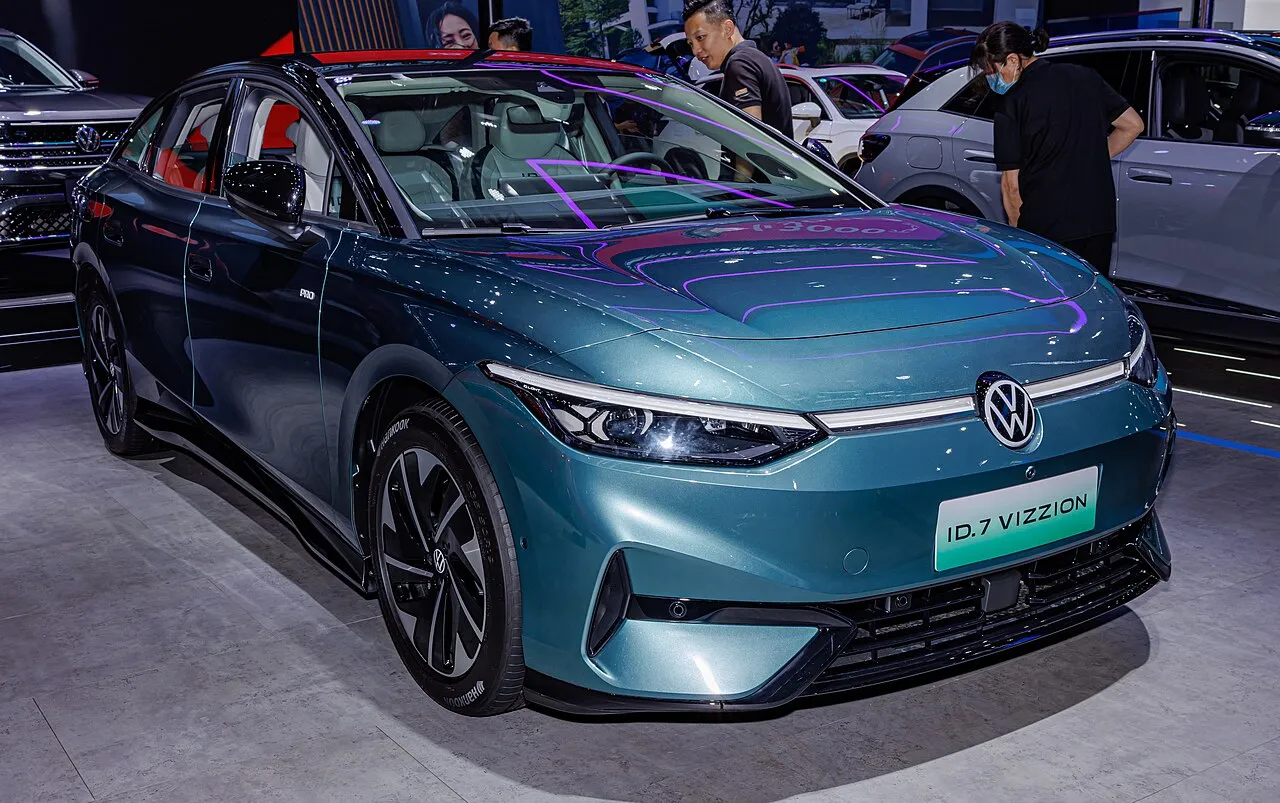
Volkswagen Elli Plans Paid Vehicle-to-Grid Charging in Germany
Volkswagen’s Elli is preparing a German V2G offer that pays owners to keep compatible EVs plugged in, with energy exports paid separately.

How EV Home Backup Cuts Loads to Protect Battery Reserve
An EV backup system can reduce household demand before the battery reaches its reserve. Here is what it can control, what it cannot, and why the settings matter.