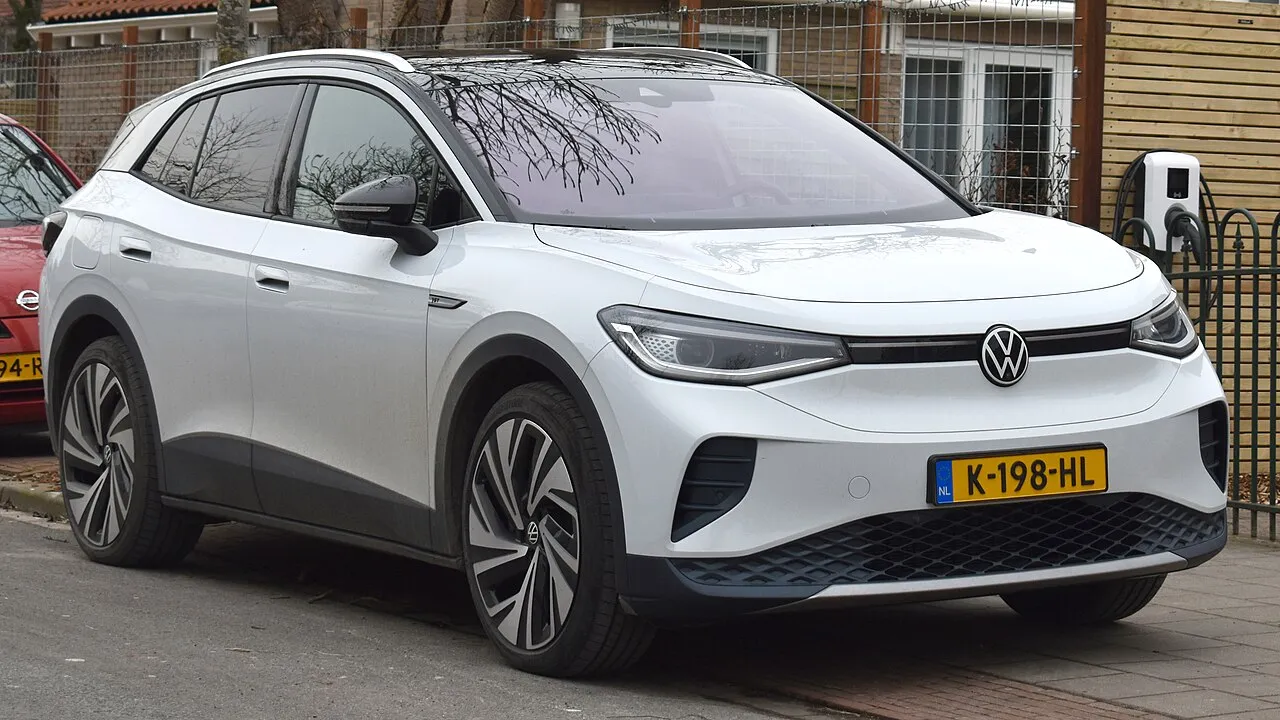
What to Check Before Buying a Former Fleet Electric Car
A former fleet EV’s mileage tells only part of its story. Check operating hours, cabin wear, charging records and warranty terms to understand its working life.
Running costs, maintenance, insurance, resale value and everyday life with an electric car.
News, explainers and expert context.
A former fleet EV’s mileage tells only part of its story. Check operating hours, cabin wear, charging records and warranty terms to understand its working life.
Before bidding on an electric car at auction, check inspection access, buyer fees, payment deadlines and collection rules to set a realistic spending limit.
Battery age and mileage reveal different kinds of wear. Learn how storage, charging habits and battery health help you compare two used electric vehicles.
Cell balancing helps an EV battery use its available capacity. Learn how it works, when it happens, and why it cannot reverse battery degradation.
Permanent-magnet, induction and electrically excited EV motors balance efficiency and resource use differently. Here is what those differences mean.
Compare the Volvo EX40 and Volkswagen ID.4 for family use, with a closer look at seating access, useful storage, cargo fit, range and charging differences.
Opening a public fast-charging site takes utility coordination, electrical equipment and commissioning to turn a grid connection into working chargers.
A charging curve shows how an EV accepts power, but temperature, software and charger limits must be separated before judging its battery's condition.
Lithium plating can occur when charging pushes lithium onto an anode faster than it can absorb it. Temperature and current limits help reduce the risk.
Usually, yes. Electricity costs less per mile than gasoline for most drivers who charge at home, and EVs need less routine maintenance — no oil changes and less brake wear.
Mainly tires, brakes, cabin air filters, wipers and coolant checks. There is no engine oil, spark plugs or exhaust system to service.