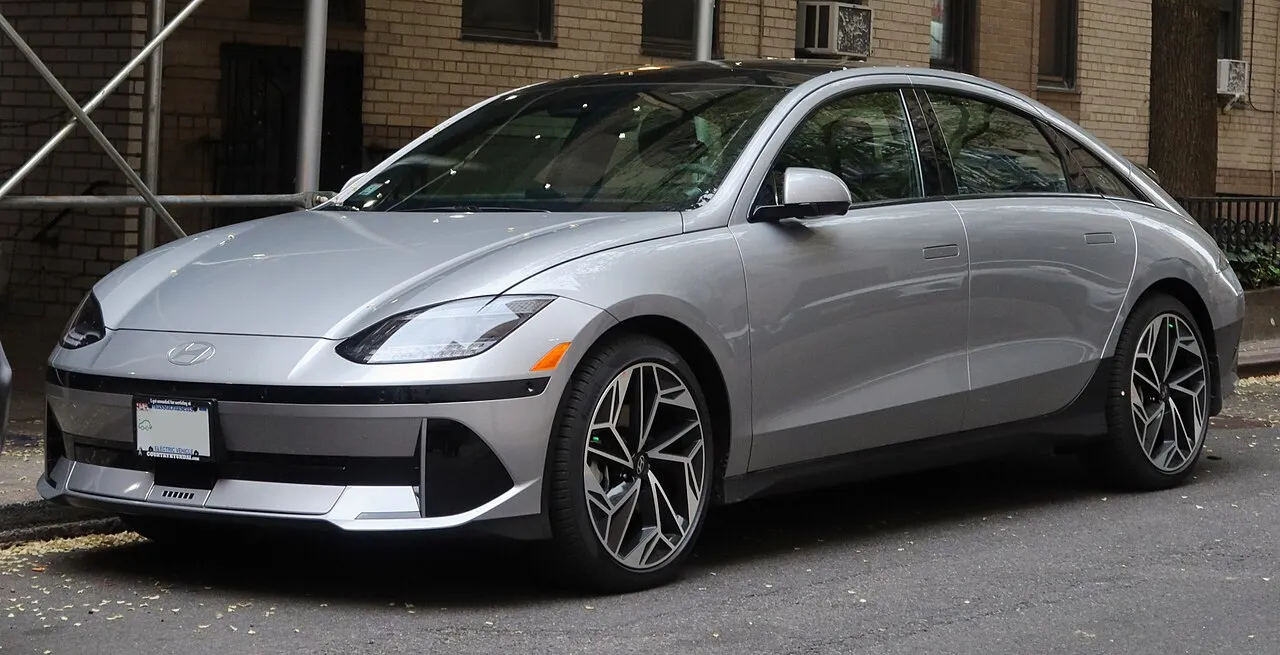
Hyundai IONIQ 6 vs Volkswagen ID.7: Range and Cargo Choice
The IONIQ 6 and ID.7 pair long wheelbases with different range claims. Here is how their published body, battery, charging and cargo information affects a buying choice.
Running costs, maintenance, insurance, resale value and everyday life with an electric car.
News, explainers and expert context.
The IONIQ 6 and ID.7 pair long wheelbases with different range claims. Here is how their published body, battery, charging and cargo information affects a buying choice.
A simple plan for sharing a home EV charger with visiting drivers, covering access, charging schedules, safety rules, and basic energy records.
Apartments and condominiums can add EV chargers by measuring building capacity, setting a fair allocation rule, and managing charging as demand changes.
The best home EV charger location depends on how you park, where the charging port sits, and whether the cable can reach without crossing a path or doorway.
Plan an EV charger cable route through a wall with the right entry point, conduit, drainage, fire sealing, and access for future service.
Home EV chargers monitor heat at the wall connection and can reduce charging current or stop charging when a plug becomes too hot.
An EV's battery management system uses current, voltage, temperature and charging history to estimate how its battery is aging and how much energy it can still store.
Charging an EV to a lower cutoff voltage can reduce battery stress over time, especially when the vehicle spends long periods near a full charge.
EVs hide a small part of the battery at full and empty to protect the cells. Here is how that buffer affects charging, battery health and displayed range.
Usually, yes. Electricity costs less per mile than gasoline for most drivers who charge at home, and EVs need less routine maintenance — no oil changes and less brake wear.
Mainly tires, brakes, cabin air filters, wipers and coolant checks. There is no engine oil, spark plugs or exhaust system to service.







