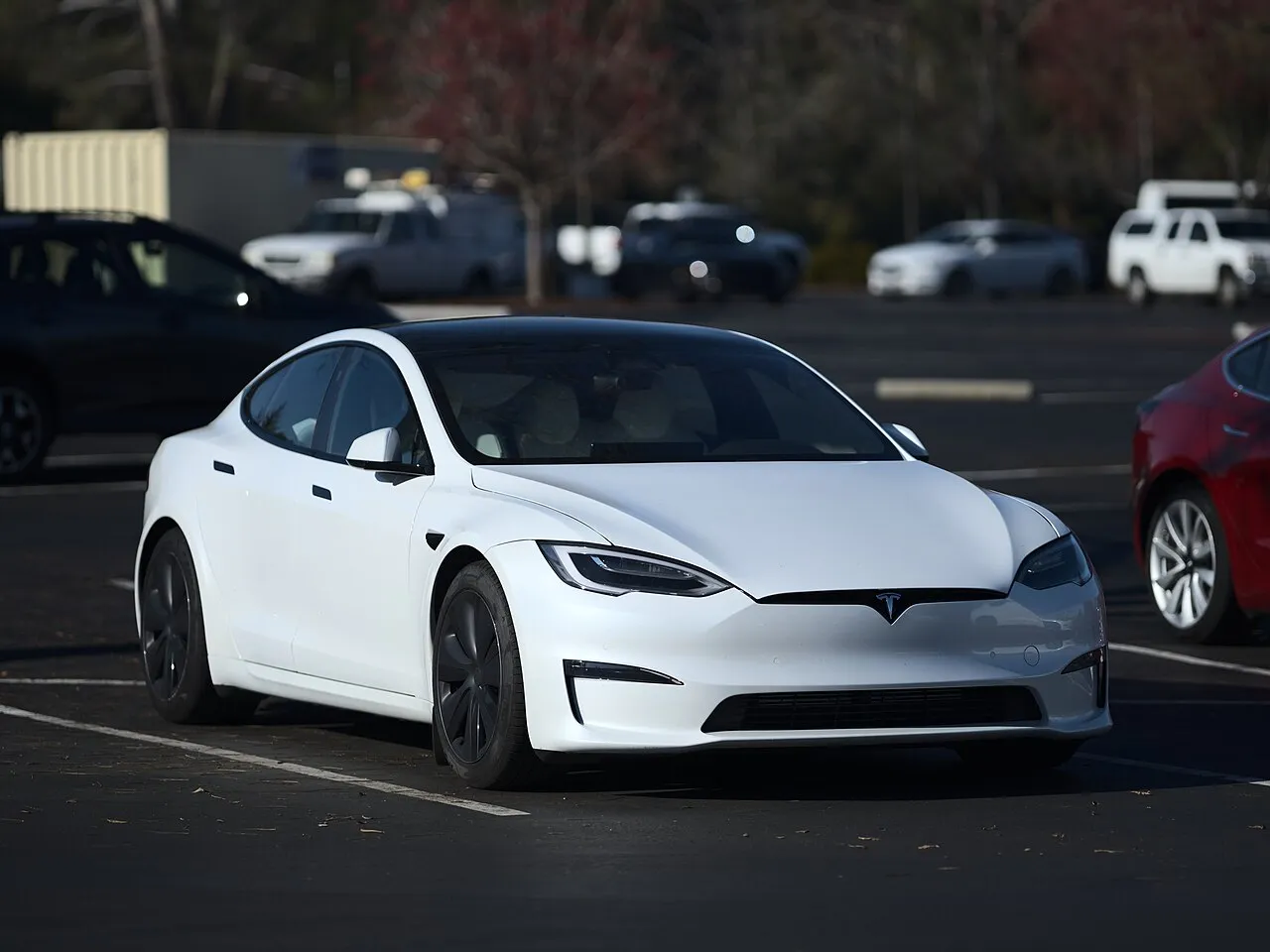
Tesla App Code Points to Manual Battery Preconditioning
Tesla app code reveals a manual battery warmup feature for DC fast charging, with guidance to start an hour ahead. Supported vehicles remain unconfirmed.
How DC fast charging works, what limits charging speed and how to charge quickly on long trips.
News, explainers and expert context.
Tesla app code reveals a manual battery warmup feature for DC fast charging, with guidance to start an hour ahead. Supported vehicles remain unconfirmed.
Geely’s Monjaro plug-in hybrid pairs two battery options with available all-wheel drive, DC fast charging and an eight-year vehicle warranty in the UK.
A DC fast charger uses switching electronics, energy storage and feedback controls to turn AC power into regulated DC for an electric vehicle’s battery.
DC fast chargers check for unwanted electrical paths to earth before delivering power. Learn how insulation monitoring works and why a fault stops charging.
NACS uses the same two power contacts for AC and DC charging. Internal switching directs power through the onboard charger or toward the battery safely.
US charging levels and European AC and DC labels describe different things. Compare power, electrical supply and vehicle limits to understand charging.
An EV battery’s nominal voltage is a reference, not its ceiling. Learn how operating voltage and charge limits affect battery and charger comparisons.
A fast charger's peak rating may depend on shared equipment and site capacity. Here's why another EV plugging in can change the power reaching your battery.
At EV chargers that bill by time, slower charging can raise the cost of energy. Battery temperature, charge level and billing rules all affect your total.
The car reduces charging power as the battery fills to protect the cells, so the last 20% takes much longer than the first 80%.
Occasional fast charging has little effect. Frequent fast charging, especially in high heat, can accelerate degradation slightly, which is why the car manages power carefully.






