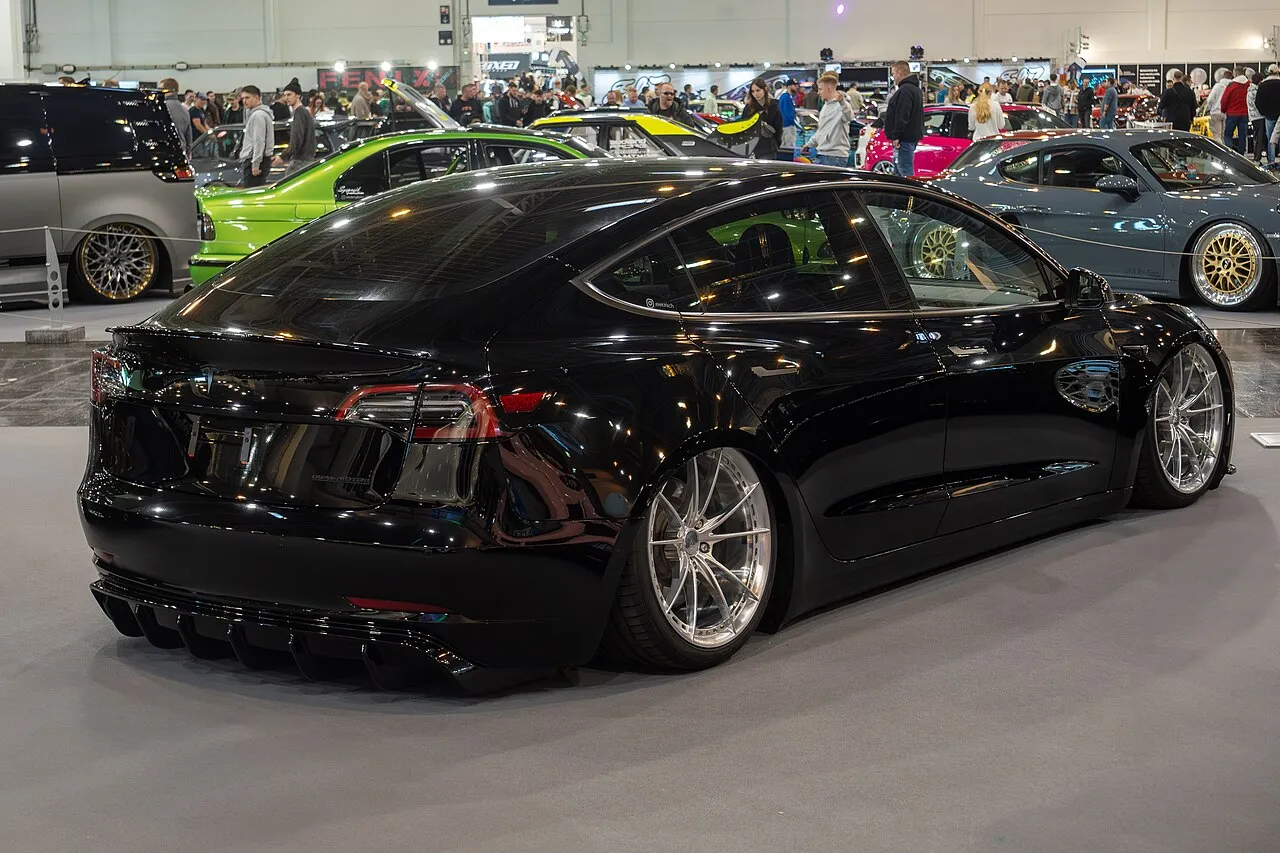
Polestar Tops Tesla in Recurrent’s EV Winter Range Study
Recurrent’s study of more than 59,000 EVs puts Polestar first among automakers for winter range retention, while Tesla models lead its individual-car rankings.
Batteries, motors, software and the engineering behind electric vehicles, explained clearly.
Recurrent’s study of more than 59,000 EVs puts Polestar first among automakers for winter range retention, while Tesla models lead its individual-car rankings.
An EV may limit battery power when its pack is too cold, too hot, nearly depleted or protecting itself. Learn what the display means and what can help.
EVs use a high-voltage battery for propulsion and a low-voltage network for controls and accessories. Converters and modules coordinate power between them.
A weak low-voltage battery can keep an EV from waking up, even when its large drive battery has plenty of charge. Learn the signs and why they occur.
Electric cars balance propulsion, climate control, battery care, and accessories through controllers that respond to driver demand and component limits.
Repeated acceleration raises an EV’s energy demand, while regenerative braking can recover some of it. Low speeds and cabin climate control also shape consumption.
EVs estimate the energy cost of climbs and the energy recovered on descents, then combine elevation with speed, weather, traffic and vehicle efficiency.
Extra weight raises the energy an EV needs to climb, while regenerative braking can recover some energy on the way down. Elevation and load both matter.
Roof racks and cargo disturb airflow around an electric car, increasing aerodynamic drag and energy use. Here is why the effect grows with speed and how to limit it.







