How to Measure EV Charging Losses at Home
Compare the electricity recorded by your meter with the energy your EV battery gains. Learn what the difference means and how to make a useful comparison.
All articles tagged with ev charging, from practical guides to the latest updates.
Compare the electricity recorded by your meter with the energy your EV battery gains. Learn what the difference means and how to make a useful comparison.
A three-phase AC station does not guarantee three-phase charging. Your car’s onboard charger, the connector and the station’s wiring determine how many phases it can use.
An 800-volt EV may charge on a 400-volt fast charger through onboard voltage conversion or battery reconfiguration, if the vehicle supports it.
An EV’s voltage architecture affects how electrical power moves through the vehicle, but voltage alone cannot predict charging speed, range or performance.
An 800-volt battery can support high charging power, but the charger’s voltage and current limits and the battery’s condition determine what it actually takes.
A battery held near full charge for long periods faces more chemical stress. Learn why high state of charge matters and how everyday charging habits can help.
A per-minute EV charging fee buys less energy when charging power tapers. This guide shows how the effective cost per kilowatt-hour changes.
The right EV depends on your regular trips, passengers, cargo and charging access. Here is how to compare small cars, family SUVs and long-range models.
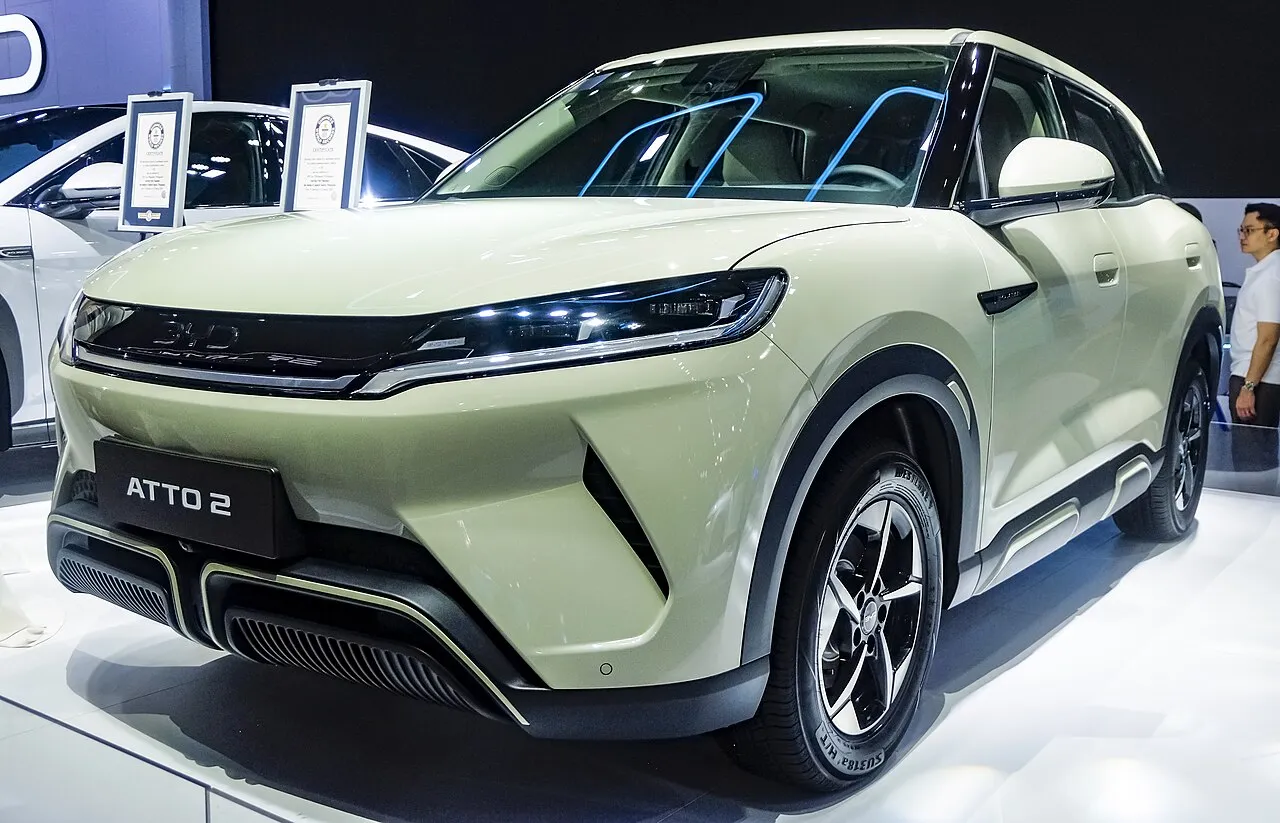
The ATTO 2 is taller and longer; the EX30 is shorter with a longer wheelbase. Compare access, battery choices and charging by market and test cycle.