What DC Charger Voltage and Current Ranges Mean
A DC charger's voltage range helps determine whether it can serve your EV. Its current range describes output limits, but it does not promise charging speed.
All articles tagged with dc fast charging, from practical guides to the latest updates.
A DC charger's voltage range helps determine whether it can serve your EV. Its current range describes output limits, but it does not promise charging speed.
A vehicle's DC charging power limit can hold charging below a station's rating. Learn how the setting interacts with battery conditions and charging speed.
An EV's finish time can move as the car updates its forecast for charging power, battery temperature and the target. Learn what those changes mean.
A charging cable’s minimum bend radius protects its conductors, insulation and cooling system. Learn how to read the limit and plan clearances.
Opening a public fast-charging site takes utility coordination, electrical equipment and commissioning to turn a grid connection into working chargers.
A charging curve shows how an EV accepts power, but temperature, software and charger limits must be separated before judging its battery's condition.
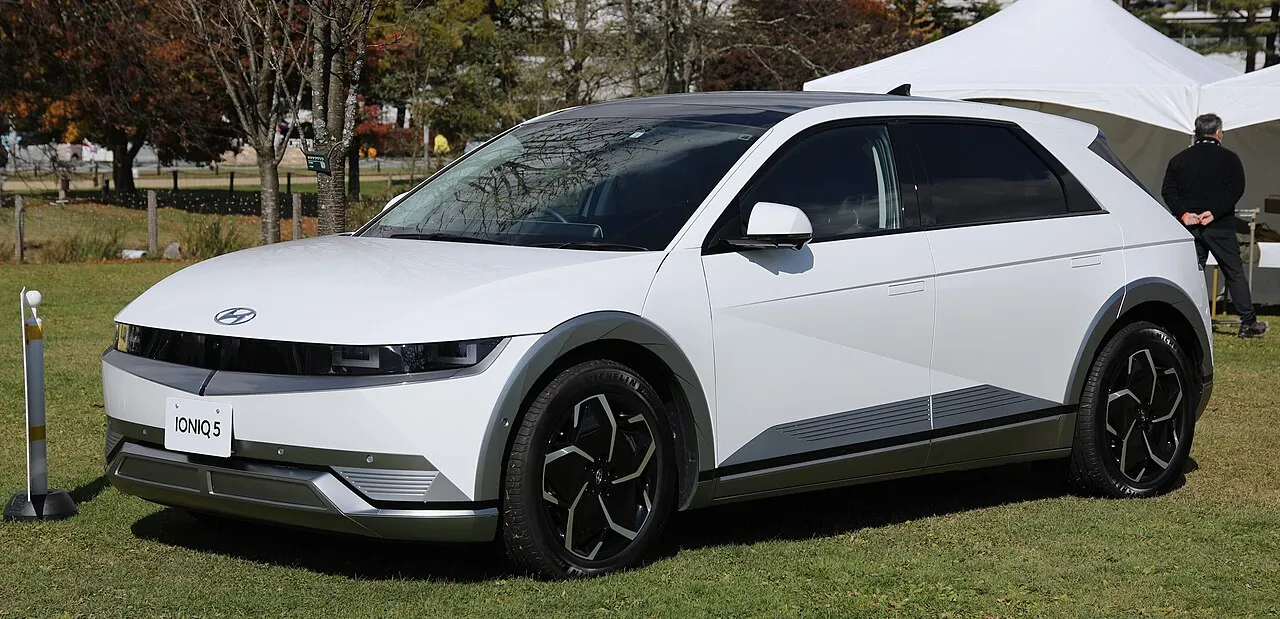
The Hyundai IONIQ 5 uses its motor and inverter to raise voltage at 400-volt DC chargers. Here is why that compatibility does not guarantee maximum speed.
DC fast charger efficiency depends on output power, conversion losses, and module use. Learn why light loads and maximum output can change energy waste.
Public fast chargers use electricity between sessions for controls, communications and temperature management. Here's what stays on and why demand varies.