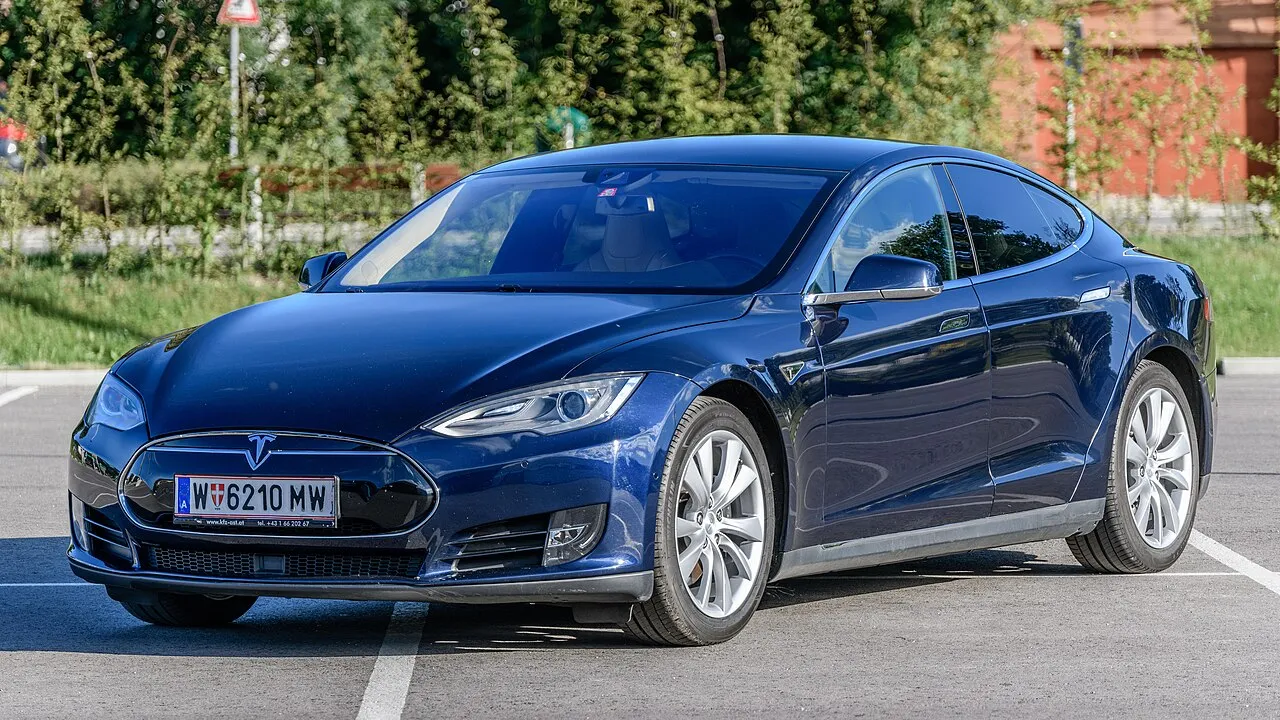
Tesla Model S Dual Chargers: What Used Buyers Should Know
Early Tesla Model S dual chargers increase AC charging capacity, but the benefit depends on the car, charging equipment and electrical supply working together.
All articles tagged with ac charging, from practical guides to the latest updates.
Early Tesla Model S dual chargers increase AC charging capacity, but the benefit depends on the car, charging equipment and electrical supply working together.
An EV plug that fits does not establish 277-volt compatibility. The vehicle, charging equipment and electrical installation must all support that voltage.
Type 2 socket shutters block access to charging contacts. Their use depends on equipment design, installation rules, and other electrical safety measures.
Cable coding and the control-pilot signal establish an EV’s AC charging limit. Here is how they work together before the car starts drawing power.
EV charging protection detects current escaping its intended circuit. Learn how ground faults are sensed and why DC leakage needs compatible protection.
High-frequency transformers help EV onboard chargers fit into tight spaces while transferring energy across an electrical barrier between separate circuits.
Switching between one and three phases lets compatible EV chargers use smaller solar surpluses. Safe operation requires a controlled pause before switching.
Phase order usually does not affect three-phase EV charging, but missing phases can. Equipment requirements determine when the sequence must be checked.
Two charging ports do not necessarily mean two charging paths. Learn how an EV routes power and why using both requires explicit support from the vehicle.






