How Three-Phase Power Affects EV Charging
Three-phase power can help an EV charge faster on AC, but the vehicle’s onboard charger sets the limit. Here’s what that means at home and in public.
All articles tagged with onboard chargers, from practical guides to the latest updates.
Three-phase power can help an EV charge faster on AC, but the vehicle’s onboard charger sets the limit. Here’s what that means at home and in public.
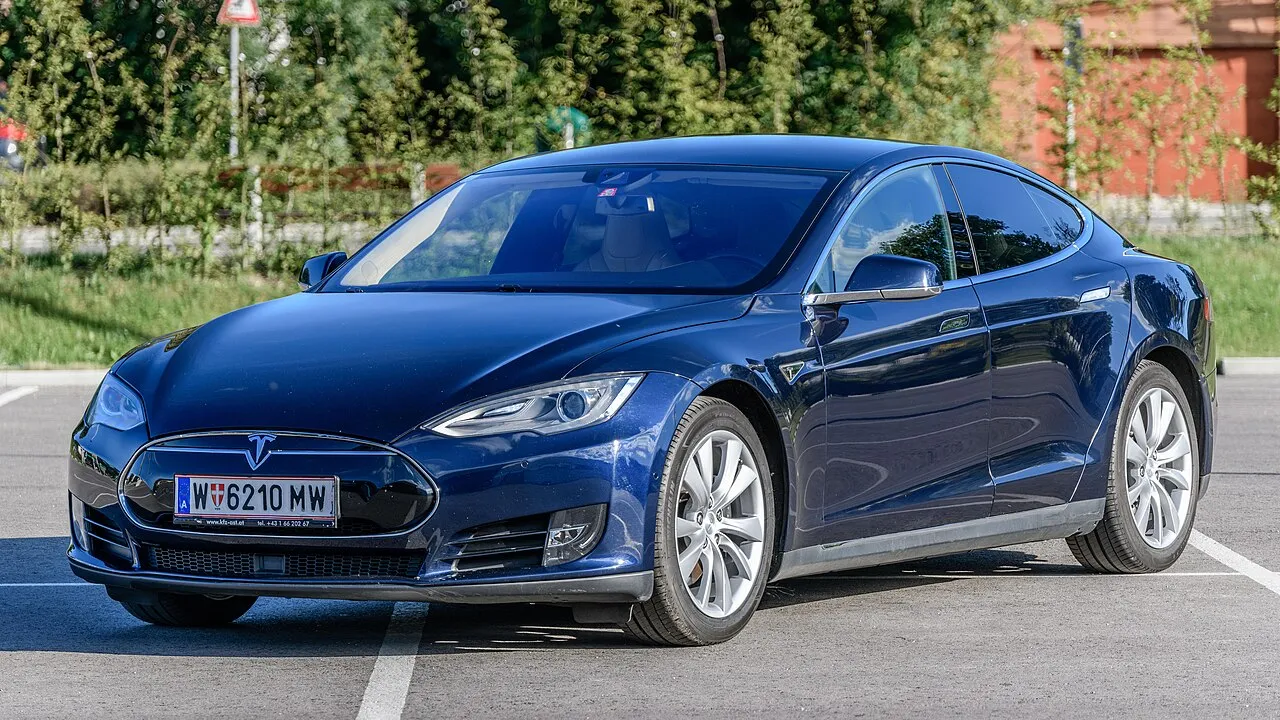
Early Tesla Model S dual chargers increase AC charging capacity, but the benefit depends on the car, charging equipment and electrical supply working together.
An EV plug that fits does not establish 277-volt compatibility. The vehicle, charging equipment and electrical installation must all support that voltage.
High-frequency transformers help EV onboard chargers fit into tight spaces while transferring energy across an electrical barrier between separate circuits.
Power factor explains how effectively an EV charger uses AC current. Learn how it differs from efficiency and why current harmonics affect charging demand.
A home DC charger bypasses an EV's onboard charger, but faster charging depends on the car, the equipment and the electrical capacity available at your home.
An EV may support faster AC charging, but a detachable cable can set a lower current limit. Here is how the cable, car and station share the load.
Single-phase and three-phase power can feed the same EV, but the onboard charger determines how much AC energy reaches the battery and how quickly.
An EV's onboard charger turns AC power into DC power for the battery. Its rating helps determine how quickly the car can charge from a home or public AC station.