Will EV Modifications Affect Your Warranty and Insurance?
EV modifications can affect related warranty claims and insurance coverage. Here are the questions to ask before changing wheels, suspension or software.

The short answer: Modifying an EV can affect warranty claims involving the changed components or resulting damage, while insurance disclosure and coverage depend on the policy and the modification. Before installation, ask the manufacturer about related warranty exclusions and the insurer about acceptance, disclosure requirements and coverage for the parts.
Modifying an EV can affect related warranty claims and insurance coverage, but the answer depends on what changes, what subsequently fails and what the relevant contracts say. Suspension, wheel, electrical and software changes create different questions. Before installation, establish how the manufacturer would assess a related failure and whether the insurer will accept the modification and cover its value.
Keep warranty and insurance decisions separate. A manufacturer's acceptance of an accessory does not establish insurance coverage, and an insurer's acceptance does not establish warranty protection. Each organization needs an accurate description of the proposed work, including the parts, installation method and intended use.
Separate the modified part from damage elsewhere
A vehicle warranty addresses defects within its terms. An aftermarket part may have its own warranty, while the installer may offer separate protection for workmanship. Those promises can cover different things. Protection for a replacement component does not necessarily include labor to remove it, damage to surrounding components or the consequences of an installation error.
A modification can also become relevant when another component fails. The important question is the connection between the change and the claimed defect. A suspension change may be relevant to abnormal tire wear; an electrical accessory may be relevant to a discharged auxiliary battery. Neither example establishes that every later problem has the same cause.
Avoid treating either “the whole warranty is void” or “aftermarket parts cannot affect coverage” as a reliable blanket answer. Warranty terms, the circumstances of the failure and applicable law matter. Ask which provision could apply and how a suspected connection would be evaluated. A service advisor's general reassurance is less useful than a written answer tied to the proposed change.
Suspension changes: ask about geometry and related components
Lowering springs, replacement dampers and adjustable suspension can alter ride height, available suspension travel and wheel alignment. Depending on the design, they can also change operating angles or clearances around other components. These effects matter when assessing complaints involving tire wear, vibration, handling or contact between parts.
Ask whether the intended setup remains within the vehicle's alignment requirements and whether additional adjustments are necessary. A successful installation requires more than parts that physically bolt into place. The installer should consider suspension movement, steering clearance and any vehicle-specific procedures affected by the change.
Changes to ride height can also raise questions about headlights and driver-assistance sensors. Required adjustments and calibrations depend on the vehicle and the work performed. Confirm those requirements before installation, and retain the alignment and calibration records where applicable.
- Which suspension components and related failures could be affected under the warranty terms?
- What alignment, clearance and calibration checks does this installation require?
- Who covers the diagnosis and correction of noise, vibration or abnormal wear after installation?
Wheels and tires: appearance is only part of compatibility
A wheel change involves more than diameter. Width, offset, load capacity and the tire fitted to the wheel all matter. An unsuitable combination can create clearance problems, alter steering behavior or place different demands on related components. Tires must also suit the vehicle's load and operating requirements.
Changing overall tire diameter can affect the relationship between wheel rotation and road speed. Tire construction, tread and wheel design can also affect efficiency, ride and noise. A visually similar replacement should not be assumed to preserve the original behavior of the vehicle.
Ask the installer to explain compatibility with the brakes, tire-pressure monitoring system and full range of steering and suspension movement. Keep records identifying the wheels and tires fitted. If a later claim concerns vibration, wheel bearings or tire wear, those details help establish what changed.
For insurance, establish whether the replacement wheels are covered and how their value would be assessed after theft or damage. Acceptance of a wheel modification does not automatically mean reimbursement for the full purchase cost. Ask whether separate accessory coverage or an adjustment to the policy is necessary.
Electrical accessories: identify the circuit and installation method
Dash cameras, audio equipment, lighting and other accessories may seem separate from the propulsion system, but their power connections matter. An accessory that continues drawing power while parked can contribute to auxiliary-battery discharge. Poor connections, unsuitable wiring or incorrect circuit protection can cause faults or damage.
Distinguish an accessory connected through an intended outlet from work that changes vehicle wiring. Ask where power will come from, how the circuit will be protected and whether installation requires cutting wires or connecting to a communications network. Those details help define both technical risk and responsibility for subsequent problems.
Work involving the high-voltage battery, charging system or propulsion wiring raises additional safety and compatibility concerns. It calls for appropriate expertise and vehicle-specific procedures. Do not assume that experience installing ordinary accessories establishes competence to alter an EV's high-voltage system.
Ask the manufacturer how the proposed connection could affect related warranty claims. Ask the installer what its warranty covers if the accessory causes a fault elsewhere. The insurer also needs an accurate description: “electrical accessory” may be too vague to distinguish a camera installation from a change to charging hardware.
Software changes can affect more than performance
Software modifications may change power delivery, charging behavior, diagnostic functions or access to vehicle features. Their effects depend on what the software actually controls. A cosmetic interface change and a change to propulsion controls present different questions, even if both are described as software upgrades.
Ask whether the change is authorized for the vehicle and whether it alters operating limits or protection functions. Establish how it interacts with manufacturer updates and diagnostic work. An update may overwrite a modification, while modified software may complicate troubleshooting or require restoration before service can proceed.
Returning a vehicle to its original software does not necessarily reverse earlier physical effects or resolve a disputed claim. Nor should an owner assume that restoring the original configuration removes any obligation to describe the vehicle accurately to an insurer. Ask about the actual change and its history.
For insurance, describe changes to performance or vehicle functions explicitly. A modification without a visible replacement part can still be relevant to the insurer's assessment. Confirm whether it is accepted and whether any policy conditions change.
Get the insurance decision before installation
Disclosure obligations depend on the application questions, policy terms and applicable law. Do not assume every insurer treats modifications alike, or that disclosure is needed only when renewing. Contact the insurer before the work and ask when notification is required and whether acceptance must be documented through a policy change.
Separate permission to insure the modified vehicle from coverage for the modification itself. An insurer may need to assess both. Ask how a damaged accessory would be valued, whether replacement would use original or aftermarket parts, and whether installation labor is included. Also ask whether the change affects any relevant coverage or exclusion.
If a modification is unacceptable, resolve that before spending money on installation. Failure to meet disclosure requirements can create disputes about coverage or the policy's continued validity. The consequences depend on the contract and circumstances; a general answer from another owner cannot settle them.
Keep records that explain what changed
Save the original proposal, part identifiers, installation invoice and relevant alignment or calibration records. Retain written responses from the manufacturer, installer and insurer. These documents serve different purposes: they establish the configuration, identify who performed the work and record what each organization agreed to cover.
If a problem develops, describe the symptoms and modification accurately and request the reason for any denial in writing. Where a warranty decision turns on a claimed connection, ask what findings support it. Clear records cannot guarantee approval, but they make the actual issue easier to assess and challenge through the applicable review process.
Frequently asked questions
Does modifying an EV automatically void its entire warranty?
A blanket answer is unreliable. Warranty terms, applicable law and the relationship between the modification and the claimed failure matter. Ask which warranty provision applies and how the manufacturer would assess a related claim.
Do I need to tell my insurer about aftermarket wheels?
Ask your insurer before installation. Disclosure requirements depend on the application, policy and applicable law. Also confirm whether the wheels themselves are covered and how their value would be assessed.
Can an electrical accessory affect an EV warranty claim?
Yes. Its power connection, wiring and operation can become relevant to a claim involving electrical faults or auxiliary-battery discharge. Coverage depends on the warranty terms and the circumstances of the failure.
Does restoring original software settle warranty and insurance concerns?
Not necessarily. Restoring software may not reverse earlier physical effects or resolve a disputed warranty claim. Ask the insurer how its disclosure requirements apply to the change and its history.
What records should I keep after modifying an EV?
Keep part identifiers, installation invoices, relevant alignment and calibration records, and written responses from the manufacturer, installer and insurer. These help establish what changed and what each organization agreed to cover.
Related stories

How to Build an Emergency Fund for EV Repairs and Wear
Build a flexible EV repair reserve by reviewing your warranty, identifying likely wear items, and setting a monthly contribution that fits your budget.
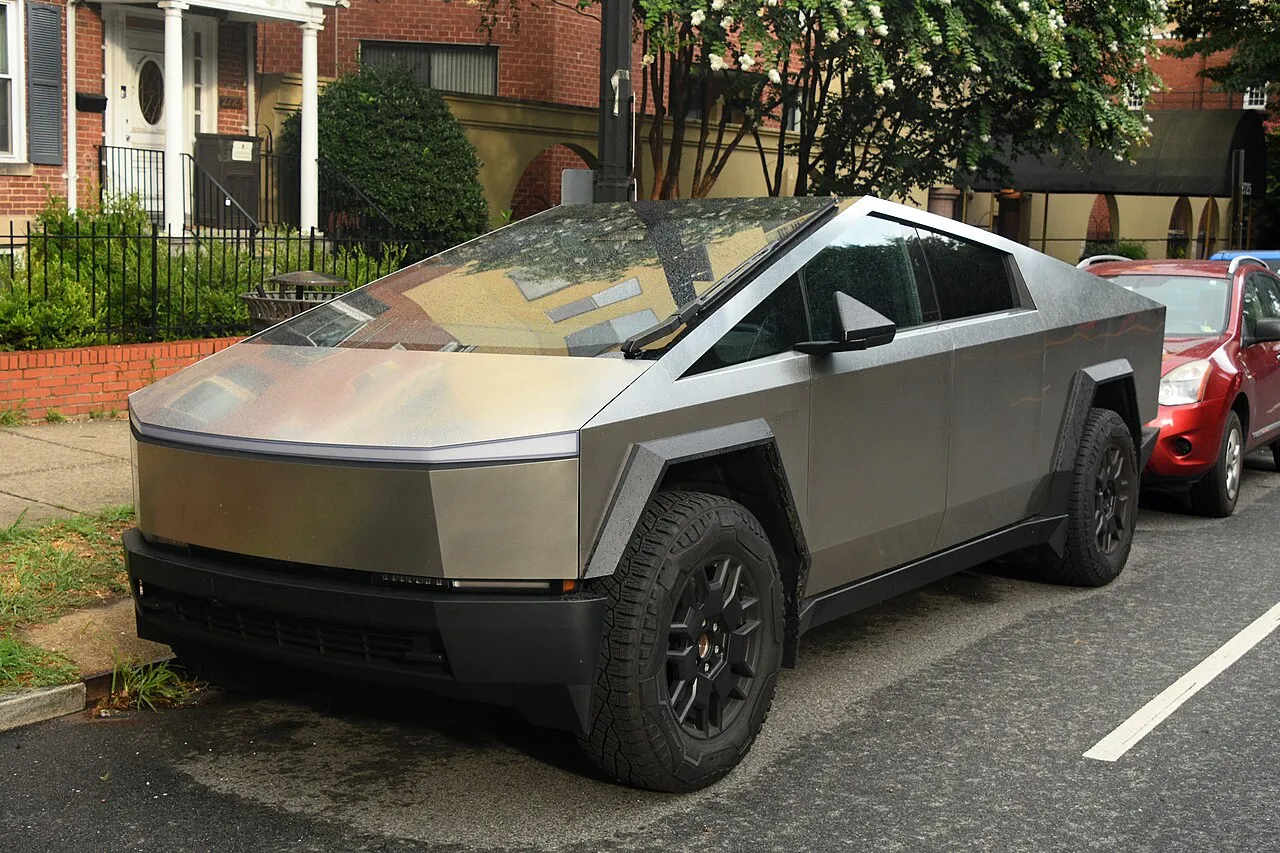
Tesla Offers Cybertruck Owners Refunds for PCS Repairs
Tesla is offering parts, labor and tax refunds to some 2024 and 2025 Cybertruck owners who paid to replace a failed power conversion system.

Home EV Charger Insurance: Coverage and Liability Checks
Check how your home or renters insurance treats EV charging equipment, accidental damage, theft, and liability before relying on it to cover a claim.