What Equipment Lets an EV Power Your Home During an Outage
An EV can back up a home with compatible power export, bidirectional charging equipment, and an electrical setup that safely isolates the house from the grid.

The short answer: You need an EV that supports home power export, equipment compatible with that vehicle, and a home electrical system that can disconnect from the grid during an outage. A standard EV charger alone cannot power a house.
To power a house during an outage, an EV must be able to send energy out of its battery, and the home must have equipment that can accept and manage that energy. For whole-home or hardwired circuit backup, the setup generally includes a compatible bidirectional charging system, equipment that isolates the home from the utility grid, and electrical work at the home’s panel. Having a large EV battery and a charging cable is not enough.
The exact equipment depends on what the vehicle can do and which parts of the home need power. Some EVs can run devices through an onboard outlet or adapter. Others can work with a home backup system designed to feed household circuits. Those are different capabilities, with different installation and safety requirements.
Start with the EV’s power export capability
Ordinary EV charging moves electricity from the home into the vehicle. Home backup reverses that flow. The vehicle must support an approved way to release energy from its battery, and its controls must allow that feature to operate with the equipment connected to it. Battery size alone does not establish compatibility.
Check the vehicle’s documentation for the type of power export it supports. Vehicle-to-load, often called V2L, is intended to power devices connected to an outlet or vehicle adapter. Vehicle-to-home, or V2H, is intended to send power into a home electrical system through compatible equipment. A vehicle with V2L does not necessarily support V2H.
Even when a vehicle supports V2H, that does not mean every bidirectional charger will work with it. The vehicle and charging system need compatible hardware, controls and an authorized way to coordinate power flow. Confirm the supported combination for the specific vehicle before planning electrical work. It is also useful to check whether the vehicle lets an owner set a minimum battery charge, so backup use does not consume energy they want to keep for driving.
Choose between powering devices and powering home circuits
V2L is the simpler arrangement. If the EV has an appropriate outlet or adapter, devices can plug into it within the vehicle’s power limits. This can be useful for equipment with standard plugs, such as a lamp or a refrigerator that can be reached and connected safely. The vehicle’s instructions determine which accessories and loads it can support.
V2L does not, by itself, make the wall outlets and lights in a house work. A home circuit is connected to the electrical panel, so feeding it requires a suitable connection and a way to prevent electricity from reaching utility lines. Do not plug a vehicle outlet into a household receptacle to energize the house. That approach bypasses the controls needed to isolate the home and can put people and equipment at risk.
V2H is the route for powering hardwired circuits through the home’s electrical system. It calls for a vehicle-compatible bidirectional system and an approved connection to the home. Depending on the system and installation, it may back up selected circuits or serve a broader set of household loads. The choice affects the panel work, the equipment needed to manage loads and what will run during an outage.
What the bidirectional charging system does
A conventional home EV charger is designed to charge the vehicle. Its presence does not mean it can draw energy back from the battery or supply the home during a blackout. A V2H installation needs equipment specifically designed to coordinate power export with that EV and deliver usable electricity to the household system.
The vehicle battery stores energy as direct current, while household circuits use alternating current. The compatible backup system needs an inverter to make that conversion. Depending on the design, the inverter may be part of the vehicle or part of the installed equipment. The system also needs controls that recognize an outage, manage the transition to backup operation and keep power within the equipment’s operating limits.
A plug or connector that physically fits is only one part of compatibility. The vehicle and home equipment must also communicate and agree to export power. Before buying hardware, check the vehicle maker’s guidance and the backup system’s compatibility requirements for the vehicle and installation. An electrician can then assess how that system would connect to the home.
Why the home must disconnect from the grid
When utility power fails, a backup system must keep the home’s electricity from flowing onto utility lines. This separation is called isolation or islanding. It protects people working on those lines and allows the home backup system to operate without trying to energize the wider grid.
An approved transfer mechanism performs that separation. It may be integrated into the home backup equipment or installed as a separate part of the system. The installation also needs a suitable connection at the electrical panel and controls that determine which circuits receive power. The specific arrangement depends on the home’s wiring and the backup system’s design.
That is why a bidirectional charger cannot simply be substituted for a regular charger and treated as a complete home backup installation. The home needs a safe path for the exported power and a way to separate that path from the grid when required. A qualified electrician should design and install the connection according to applicable electrical rules and the equipment instructions. Local utility and permitting requirements may also affect the installation.
Plan which household loads will run
Power capacity and stored energy answer different questions. The backup system’s power limit determines which devices can run at the same time. The energy available from the EV battery helps determine how long they can run. Turning on more equipment at once can exceed the system’s power limit, even if the battery still has plenty of charge.
Some appliances briefly draw more power when they start than when they are running. Heating, cooling, cooking and other large electrical loads can also make whole-home backup more demanding. An electrician can review the circuits and the backup system’s limits to decide whether selected circuits, load controls or a broader backup arrangement make sense.
Duration depends on the EV’s remaining charge, the portion of the battery available for export and the electricity the home uses during the outage. Setting aside charge for driving reduces the energy available to the house. Reducing household consumption extends the time the vehicle can support the chosen loads. Neither battery size nor a claim of V2H capability, by itself, tells an owner how long their particular home will stay powered.
Check how the system starts and stops
Backup systems differ in how they respond to an outage. Some arrangements may switch over automatically; others may require an owner to connect the vehicle or take another step. The EV may need to remain plugged in, have enough charge and be set to allow power export. Owners should understand those conditions before relying on the system.
It is equally useful to understand what happens when utility power returns or the vehicle reaches its minimum charge setting. The backup equipment must manage the transition back to normal operation, and the EV must stop exporting when its configured limits call for it. The installation instructions should explain how the system reports its status and what the owner needs to do after an outage.
For an EV owner, the practical first step is to identify whether the vehicle supports V2L, V2H or both. Then match that capability to the goal: plugging devices into the vehicle, or keeping household circuits energized. Home circuit backup requires the compatible vehicle and charging system to work together with an electrical installation that isolates the house, controls its loads and follows the rules that apply to the property.
Frequently asked questions
Can a regular home EV charger power my house during an outage?
No. A regular charger sends power to the vehicle. Home circuit backup requires a compatible bidirectional system and an electrical installation that isolates the home from the grid.
Is vehicle-to-load the same as vehicle-to-home?
No. Vehicle-to-load powers devices through a vehicle outlet or adapter. Vehicle-to-home uses compatible equipment to feed household circuits.
Can I plug my EV’s power outlet into a wall receptacle to run the house?
No. Feeding power through a wall receptacle bypasses the equipment needed to isolate the home from utility lines.
How long can an EV keep a home powered?
It depends on the vehicle’s available charge, how much energy is reserved for driving and how much electricity the home uses. The system’s power limit also determines which loads can run together.
Related stories

How EVs Convert Battery Power for Home and Device Use
Bidirectional charging takes more than an outlet: an EV needs power conversion, control logic and compatible hardware to send energy to a home or device.
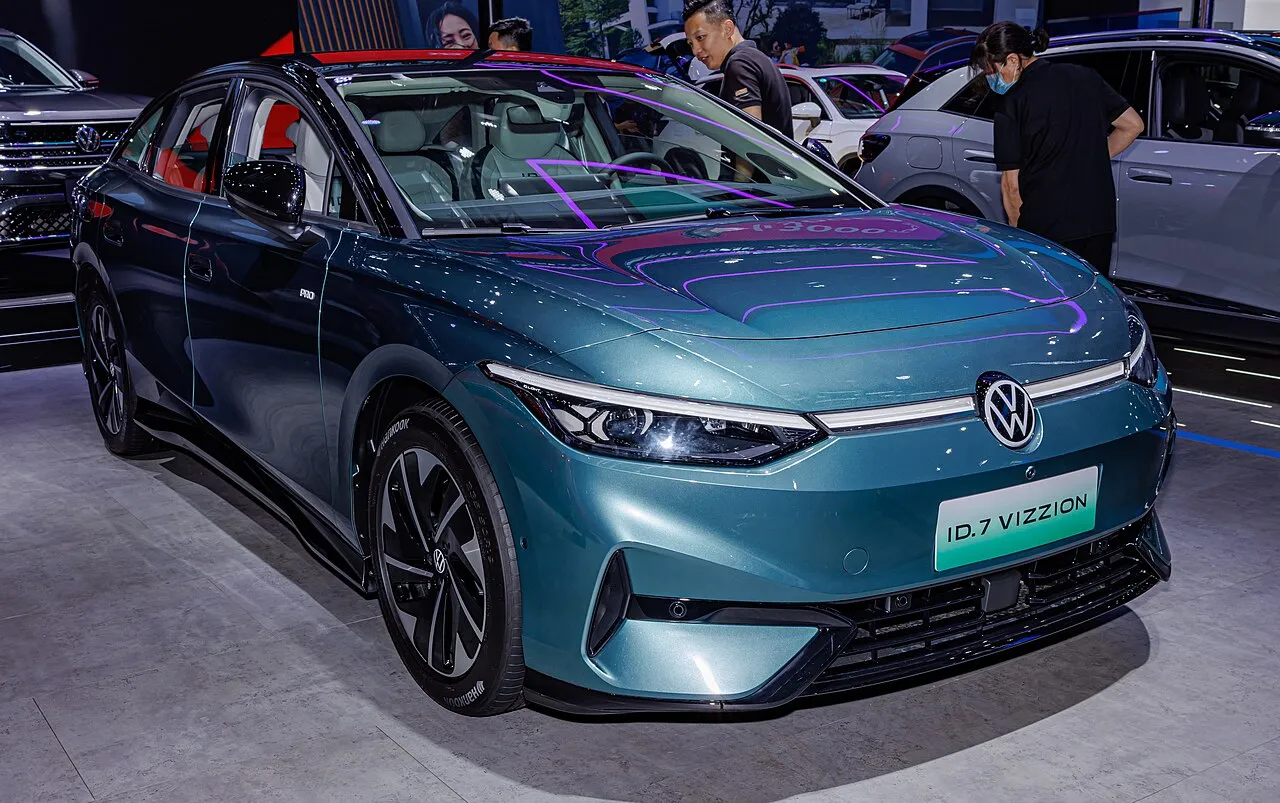
Volkswagen Elli Plans Paid Vehicle-to-Grid Charging in Germany
Volkswagen’s Elli is preparing a German V2G offer that pays owners to keep compatible EVs plugged in, with energy exports paid separately.

How EV Home Backup Cuts Loads to Protect Battery Reserve
An EV backup system can reduce household demand before the battery reaches its reserve. Here is what it can control, what it cannot, and why the settings matter.