Tesla Report Links Driver Assist to Florida Crash Killing 3
A Tesla filing confirms driver-assist use before a fatal Florida crash, according to Electrek, but key details about the system's actions remain unclear.
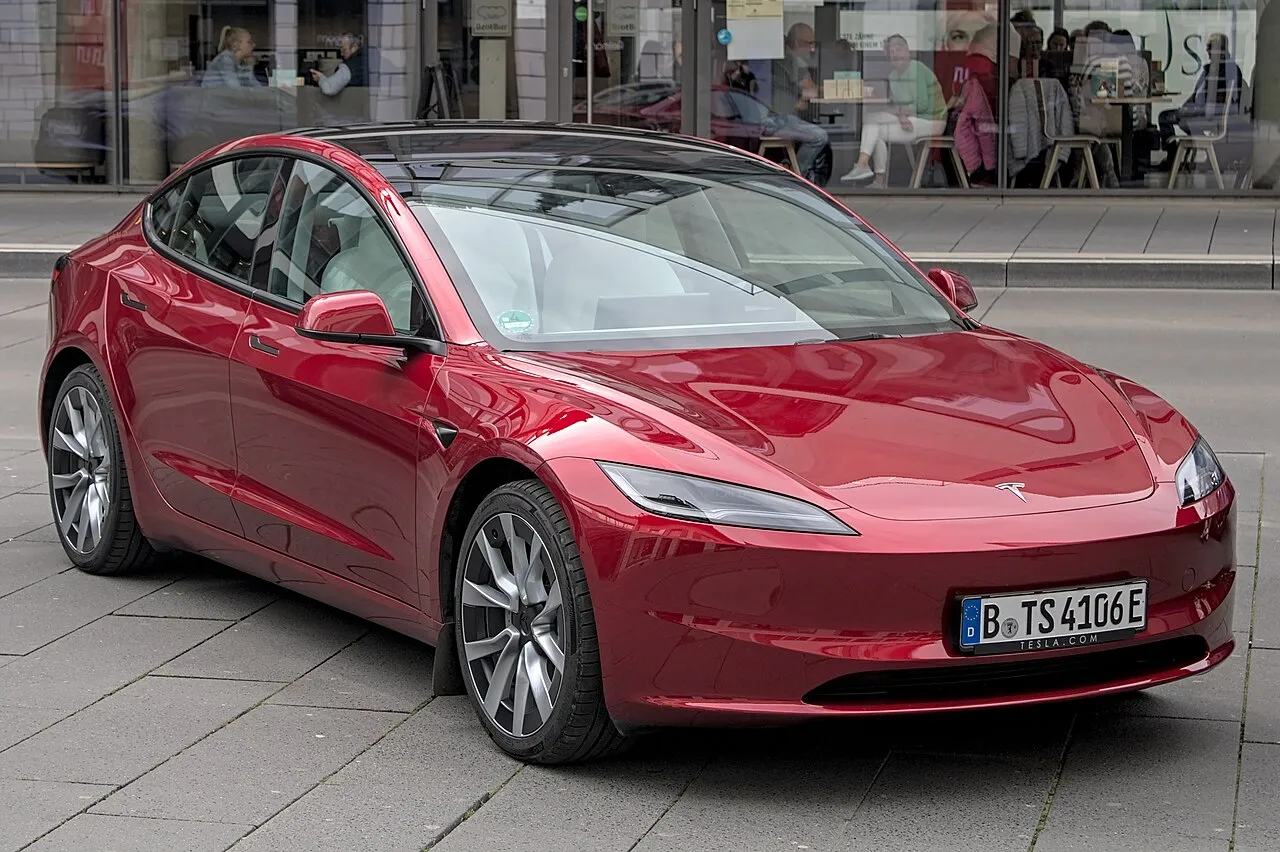
The short answer: According to Electrek, Tesla confirmed that a driver-assistance system was engaged before a Model 3 struck an overturned truck near Naples, Florida, killing three people. The federal report records a pre-crash speed of 71 mph but does not establish the impact speed, identify whether Autopilot or Full Self-Driving was active, or determine what caused the collision.
A Tesla Model 3 involved in a Florida crash that killed three people had a driver-assistance system engaged before the collision, according to Electrek's account of a Tesla filing with federal regulators. The disclosure adds a significant detail to the May 31, 2026, crash near Naples, while leaving unanswered how the system and driver responded to an overturned truck blocking the highway.
For Tesla owners and prospective buyers assessing Autopilot and Full Self-Driving, the distinction between confirmed system engagement and a finding of fault is central. Electrek reports that Tesla verified engagement and recorded a pre-crash speed of 71 mph. The filing does not establish whether that was the speed at impact or which of the two assistance systems was operating.
Three killed after truck overturned on I-75
The collision happened shortly before 4 a.m. on southbound Interstate 75 near the Pine Ridge Road exit in Collier County. According to Electrek, citing the Florida Highway Patrol, the 31-year-old driver of a 2014 Freightliner left the roadway, steered back onto the interstate and overturned. The truck came to rest across the center and outside lanes.
Jonathan Garcia Arias, a 25-year-old Naples resident and former Marine, stopped his BMW and got out to help the truck driver. A southbound 2023 Tesla carrying five young men from Naples then reached the scene. Its front struck the underside of the overturned truck and Garcia Arias, according to Electrek's account of the highway patrol report.
Two Tesla passengers, ages 18 and 19, died at the scene. Garcia Arias later died in the hospital. The Tesla's 20-year-old driver and its two other passengers suffered serious injuries, Electrek reports. The deaths therefore included both occupants of the approaching car and a person who had stopped to assist after the initial wreck.
Visibility was a prominent part of the highway patrol's public explanation. Senior Trooper Kenn Watson said the Tesla driver would have faced the underside of the truck, with “no lights, no reflectors, nothing warning them,” according to Electrek. The agency subsequently used the crash to warn about stopping near interstate wrecks.
What Tesla reported to federal regulators
According to Electrek, Tesla submitted a report under the National Highway Traffic Safety Administration's Standing General Order. That reporting requirement covers crashes in which a Level 2 driver-assistance system was engaged within 30 seconds of impact and someone was killed or injured. A report under that rule establishes a connection to system use, rather than a determination that the technology caused the crash.
Tesla identified the vehicle as a 2023 Model 3 traveling on a highway and flagged a traffic incident on the roadway, Electrek reports. The filing marked the automation's engagement status as “Verified Engaged.” According to the outlet, that designation means Tesla confirmed system use through its own vehicle telemetry.
The report also recorded a pre-crash speed of 71 mph, identified the Florida Highway Patrol as the investigating agency and indicated that Tesla learned about the collision through police and media reports. It flagged a fatal outcome. Those entries connect the federal disclosure to a serious highway collision, but do not describe the sequence of control inputs before impact.
Electrek connected the filing to the Naples crash using the location, highway, vehicle model year, month and fatal outcome. The federal report's incident time was 07:56 UTC, equivalent to 3:56 a.m. in Florida, compared with 3:54 a.m. in the highway patrol report. Electrek also reported that it was the only fatal Tesla driver-assistance report for Naples that month.
Redactions leave the system's response unresolved
Several entries that could help explain the crash were withheld as confidential business information, according to Electrek. These included the crash narrative, software version and whether the roadway fell within the system's approved operating domain. Without the software identification, the public filing does not distinguish between Autopilot and Full Self-Driving.
The reporting window also matters. Because the federal requirement reaches back 30 seconds before impact, verified engagement should not automatically be read as proof that the system controlled the vehicle at the precise instant of the collision. Similarly, Electrek cautions that the recorded 71 mph could represent a telemetry snapshot before impact.
Those limits leave several questions open: whether the system detected the overturned truck, whether it attempted to slow the car and whether the driver intervened. The fact that Garcia Arias had already stopped establishes that another motorist reached the scene before the Tesla. It does not, by itself, reconstruct the Tesla driver's view or the assistance system's response.
A fatal-crash filing appeared months later
The timing of the federal disclosure adds another issue. According to Electrek, Tesla classified the submission as a “5-Day” report, the urgent reporting category for fatal crashes, but it appeared among Tesla's September filings, more than three months after the May collision. Tesla identified law enforcement as one way it learned about the event.
The gap is relevant to how owners and the public interpret monthly crash releases. A newly appearing report can concern a collision that happened months earlier. In this case, the disclosure added driver-assistance information to an incident that police and local news accounts had described without mentioning system engagement, according to Electrek.
The filing's timing alone does not explain when Tesla obtained every detail or why the submission surfaced in September. Establishing that sequence would require more information about the company's handling of the crash report.
Other Florida crashes offer historical context
Electrek draws attention to two earlier fatal Florida crashes involving Tesla vehicles using Autopilot and collisions with trailers. In 2016, Joshua Brown died near Williston when his Model S traveled beneath a tractor-trailer crossing the highway. In 2019, Jeremy Banner died in Delray Beach when his Model 3 went under a trailer at 68 mph.
According to Electrek, neither the driver nor the system braked in those two earlier collisions. They are relevant background because they also involved Tesla driver assistance and the underside of a large truck. However, they do not establish what happened in Naples, where the truck was overturned across travel lanes and the software version remains undisclosed.
Crash-report totals rise, with limits on interpretation
The federal release covering filings through October 15 also showed 264 Tesla driver-assistance crash reports for September 2026, according to Electrek. That exceeded the previous monthly high of 236 in July and compared with 135 in March. Electrek said September's total could increase as additional reports arrive.
Electrek counted 4,669 Tesla driver-assistance crash reports dating to 2019, including 69 flagged as fatal. These are report totals, rather than a measure of crashes per mile driven. The figures alone therefore do not establish how the risk of using the systems changed over that period.
The same release included two other fatal reports with verified engagement, according to Electrek: a Model Y that struck a tree and burned in El Dorado Hills, California, killing three people, and a Model X that struck a signal pole in Naples on September 30, killing a passenger.
For the I-75 collision, the unresolved issue remains the sequence between system engagement and impact. The full crash narrative, software identification and vehicle telemetry would help clarify that sequence. Until those details become public, Tesla's federal filing establishes driver-assistance involvement before a fatal crash, while leaving the respective actions of the driver and system undetermined.
Frequently asked questions
Was Autopilot or Full Self-Driving operating before the Naples crash?
According to Electrek, Tesla marked driver-assistance engagement as verified in its federal report. The software version was redacted, so the public filing does not identify whether Autopilot or Full Self-Driving was operating.
Did the Tesla hit the truck at 71 mph?
Tesla recorded a pre-crash speed of 71 mph, according to Electrek. That figure may be a telemetry snapshot before the collision and does not establish the speed at impact.
Who died in the I-75 collision?
Two Tesla passengers, ages 18 and 19, died at the scene. Jonathan Garcia Arias, a 25-year-old motorist who stopped to help the truck driver, later died in the hospital, according to Electrek.
Does the federal report establish that Tesla's system caused the crash?
No. According to Electrek, the reporting requirement applies when a Level 2 driver-assistance system was engaged within 30 seconds of a qualifying crash. Verified engagement does not itself determine the cause or establish what the system did immediately before impact.
When did the crash report become public?
According to Electrek, the May 31, 2026, collision appeared in Tesla's September filings, more than three months later, despite being classified as a 5-Day fatal-crash report.
Related stories

Kia Confirms Rio-Sized Electric Hatchback for 2027
Kia says its first mass-market software-defined vehicle will be a B-segment electric hatchback due by the end of 2027, with a European launch expected in 2028.

Tesla FSD v15 Reaches Older Model Ys Without Bumper Cameras
Tesla is extending FSD v15 to pre-refresh Model Ys without front bumper cameras, with early reports praising smoother driving but flagging visual lag.
Cybertruck Owner Says Buyer Offered $110,000 for Used Truck
A Texas owner says he turned down a $110,000 offer for his three-year-old Cybertruck, citing its software and the difficulty the buyer had getting a new one.