Tesla Model S and BYD HAN Rear-Seat Comfort Explained
The BYD HAN is taller, while the Tesla Model S has a longer wheelbase. Here is what those dimensions can tell adult passengers about rear-seat comfort.
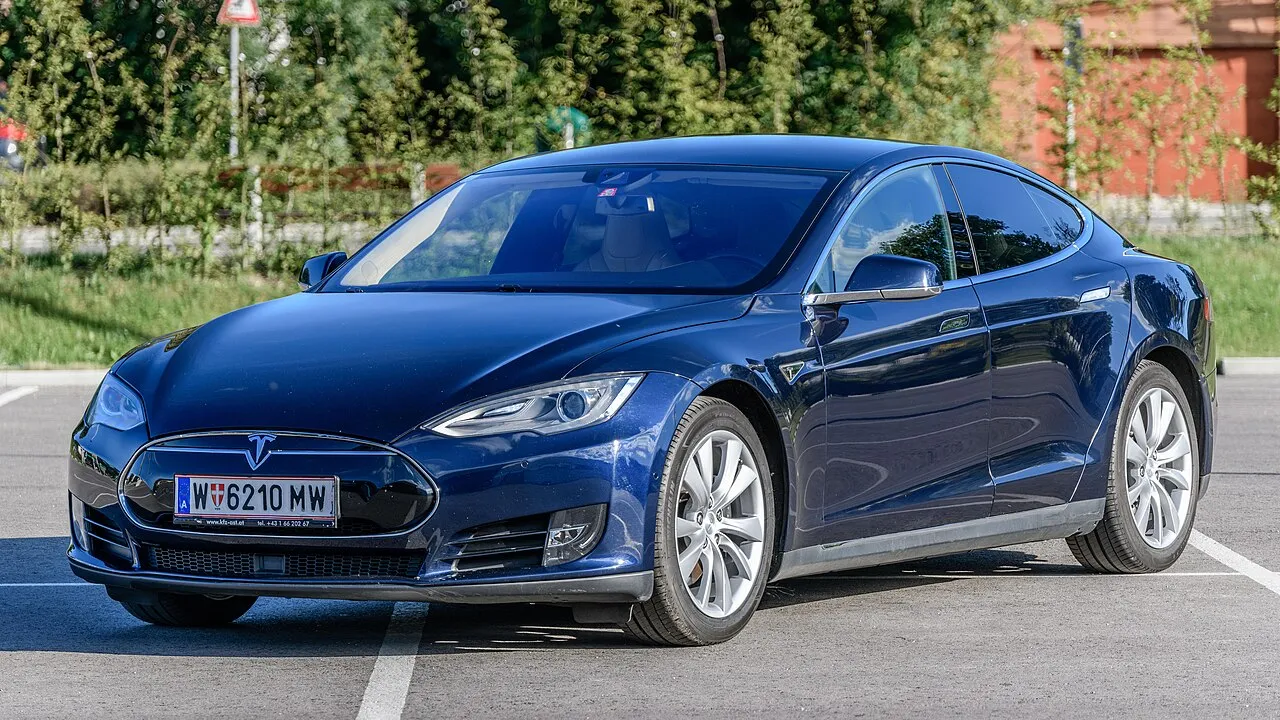
The short answer: The BYD HAN’s taller body makes it worth checking first for rear headroom and easier entry, while the Tesla Model S’s longer wheelbase warrants a close look at rear legroom. Neither exterior measurement establishes which car gives adults a better seating position or smoother ride.
The BYD HAN is the more promising starting point if rear head clearance and getting into the cabin are your main concerns, while the Tesla Model S deserves attention for its longer wheelbase. Those are reasons to inspect each car, rather than proof of a comfort winner. Adult passengers need usable space around their bodies, a supportive seating position and a ride that remains comfortable over a long journey.
The distinction matters because exterior height does not measure headroom, and wheelbase does not measure legroom. The European versions compared here establish differences in body size, weight and charging capability. They do not establish how an adult’s knees, thighs and head fit around the rear seat.
What the dimensions actually establish
EVDB puts the European 2025 BYD HAN Ev above the European 2025 Tesla Model S Dual Motor AWD in overall height. The Tesla is longer and wider, with a longer wheelbase. These measurements suggest different packaging opportunities, but the seat position, floor height and roof shape determine how much of that space passengers can use.
The table compares those specific versions. All figures are credited to EVDB. WLTP applies to the range ratings; the dimensional, weight and charging figures are published vehicle values, not WLTP measures of passenger comfort. These European model-year figures should not be treated as measurements of US-market cars.
| Measure | Tesla Model S Dual Motor AWD | BYD HAN Ev |
|---|---|---|
| Market, model year and source | Europe; 2025; EVDB | Europe; 2025; EVDB |
| Overall length; physical dimension, no range test standard applies | 5,021 mm | 4,995 mm |
| Overall width; physical dimension, no range test standard applies | 1,960 mm | 1,910 mm |
| Overall height; physical dimension, no range test standard applies | 1,440 mm | 1,495 mm |
| Wheelbase; physical dimension, no range test standard applies | 2,960 mm | 2,920 mm |
| Curb weight; published vehicle value, no range test standard applies | 2,162 kg | 2,100 kg |
| Rated range; WLTP | 637 km | 521 km |
| AC charging power; published capability, no range test standard applies | 11 kW | 11 kW |
| Peak DC charging power; published capability, no range test standard applies | 250 kW | 120 kW |
Rear-seat posture matters more than a legroom impression
For an adult, rear-seat comfort begins with the relationship between the cushion and the floor. A position that leaves the knees raised can reduce support beneath the thighs. Plenty of clearance ahead of the knees does not necessarily fix that posture. Equally, a supportive cushion can make a cabin feel comfortable without an especially large gap to the front seat.
The Model S’s longer wheelbase gives it more distance between its axles. It does not reveal how that distance is divided between the front compartment, rear seating area and other packaging needs. Calling it the better adult rear seat on wheelbase alone would skip the measurements that matter most.
The HAN’s greater overall height creates a different possibility: more vertical room for the cabin layout. Whether that benefits passengers depends on how high the cushion sits above the floor and how much space remains above their heads. A higher seat can support a more natural knee angle, but it also uses some of the available vertical space.
Compare the cars with the front seat adjusted for the person who normally occupies it. Rear passengers should then settle fully against the backrest, place their feet naturally and check thigh support. Sliding forward to clear the roof or spreading the knees to fit around the front seat can disguise an awkward posture during a brief showroom visit.
Headroom requires checking the roof above the passenger
The HAN’s taller exterior is a useful reason to investigate its headroom first. It is not a measurement of clearance above a seated adult. Roof lining, seat height and the roof’s shape over the rear seating position all affect the result. Overall height is measured across the vehicle, rather than specifically where a passenger’s head rests.
For taller adults, the useful question is whether they can sit upright with their shoulders against the backrest and room above their heads. Someone who fits only by reclining or moving their hips forward may find the position less comfortable as a journey continues. That check should be made in both cars with the passenger’s normal posture.
The Tesla’s lower body therefore deserves a careful headroom check, but it does not establish that every tall adult will struggle. Body proportions matter: passengers of similar standing height can need different amounts of seated headroom. The same reasoning prevents the HAN’s extra exterior height from becoming an automatic recommendation.
Cabin access is separate from comfort once seated
A comfortable rear seat can still be difficult to reach. Entry depends on the shape of the door opening, the roof edge, the sill and the position of the cushion. Passengers must move their head, hips and feet through that opening before the cabin’s seated space becomes useful.
The HAN’s taller body makes access a sensible point of comparison, especially for adults who find bending low uncomfortable. However, exterior height cannot establish the size of its rear door opening. Similarly, the Model S’s greater exterior width does not establish an easier entry path or more usable shoulder room.
Have regular passengers enter and exit with the front seat in its normal position. Watch whether they need to duck sharply, twist their knees or pull themselves up from the cushion. Opening the door only as far as a typical parking space allows makes this check more relevant than evaluating access with unrestricted space beside the car.
What weight and wheel choices say about ride comfort
The curb weights in the table do not identify the smoother car. Vehicle mass affects how the suspension must manage body movement, but spring rates, dampers, tires and suspension travel shape the response passengers feel. A heavier vehicle can still transmit sharp impacts or allow body motions that passengers dislike.
Wheel and tire choice also matters. Tire sidewall compliance can influence how an initial bump reaches the cabin, while the suspension controls the body’s response afterward. Without a matched assessment of the exact versions, there is no sound basis for declaring either sedan softer, quieter or better controlled.
A useful passenger-focused drive should include broken pavement, broader undulations and ordinary highway travel. Rear passengers should assess sharp impacts separately from repeated bouncing or side-to-side movement. A seat that feels supportive while parked cannot establish ride comfort, and strong acceleration tells little about how settled passengers will feel.
Long-distance convenience supports comfort, with limits
The EVDB WLTP ratings in the table give the European Tesla a longer rated range than the European HAN. Because both use WLTP, they offer a comparison within the same range standard. They remain ratings, rather than a promise of distance on a particular highway journey.
The Tesla also has the higher peak DC charging capability in this comparison. Peak power alone cannot establish the length of a charging stop: battery temperature, starting charge level and the charging curve affect the session. Both versions have the same published AC charging capability, but that does not mean their full-charge times are identical.
For adults traveling regularly, the choice should come down to the exact rear seat and ride they can tolerate comfortably. Start with the HAN when vertical space and access lead the priorities; give the Model S equal attention when evaluating legroom and journey range. Let actual posture, entry and rear-seat ride determine the comfort verdict.
Frequently asked questions
Does the BYD HAN have more rear headroom than the Tesla Model S?
The European 2025 HAN Ev is taller overall than the European 2025 Model S Dual Motor AWD, according to EVDB. That does not establish rear headroom, which also depends on seat height and roof shape above the passenger.
Does the Tesla Model S’s longer wheelbase guarantee more rear legroom?
No. EVDB gives the European 2025 Model S Dual Motor AWD a longer wheelbase than the European 2025 HAN Ev, but wheelbase does not establish the space allocated to rear passengers or their seating posture.
Which car has the smoother ride for rear passengers?
The dimensional and curb-weight figures do not establish a ride-quality winner. Suspension tuning, tires and the exact version need to be assessed from the rear seat.
Which European version has the longer WLTP range?
EVDB credits the European 2025 Tesla Model S Dual Motor AWD with 637 km of WLTP range, compared with 521 km for the European 2025 BYD HAN Ev. These are European WLTP ratings, not US EPA ratings.
Related stories
Hyundai IONIQ 6 vs. BYD HAN: Which Sedan Fits You?
The IONIQ 6 has US EPA range ratings and several configurations; the HAN’s figures here are European WLTP ratings. Compare size, charging and ownership fit.

How to Choose an EV for a Regular Carpool
Compare EVs for a regular carpool by checking how easily passengers get in, how the rear seat fits your group, and where everyone’s bags will go.

BMW i3 Review: A 3 Series EV That Loves the Corners
InsideEVs says the BMW i3 50 xDrive pairs engaging handling with a large battery and fast charging, though its unusual cabin takes time to get used to.