Tesla FSD Workaround Spreads in China as Fix Rolls Out
A reported workaround lets some Chinese Tesla owners activate FSD they already bought. Tesla is pushing an over-the-air fix while buyers await a wider rollout.
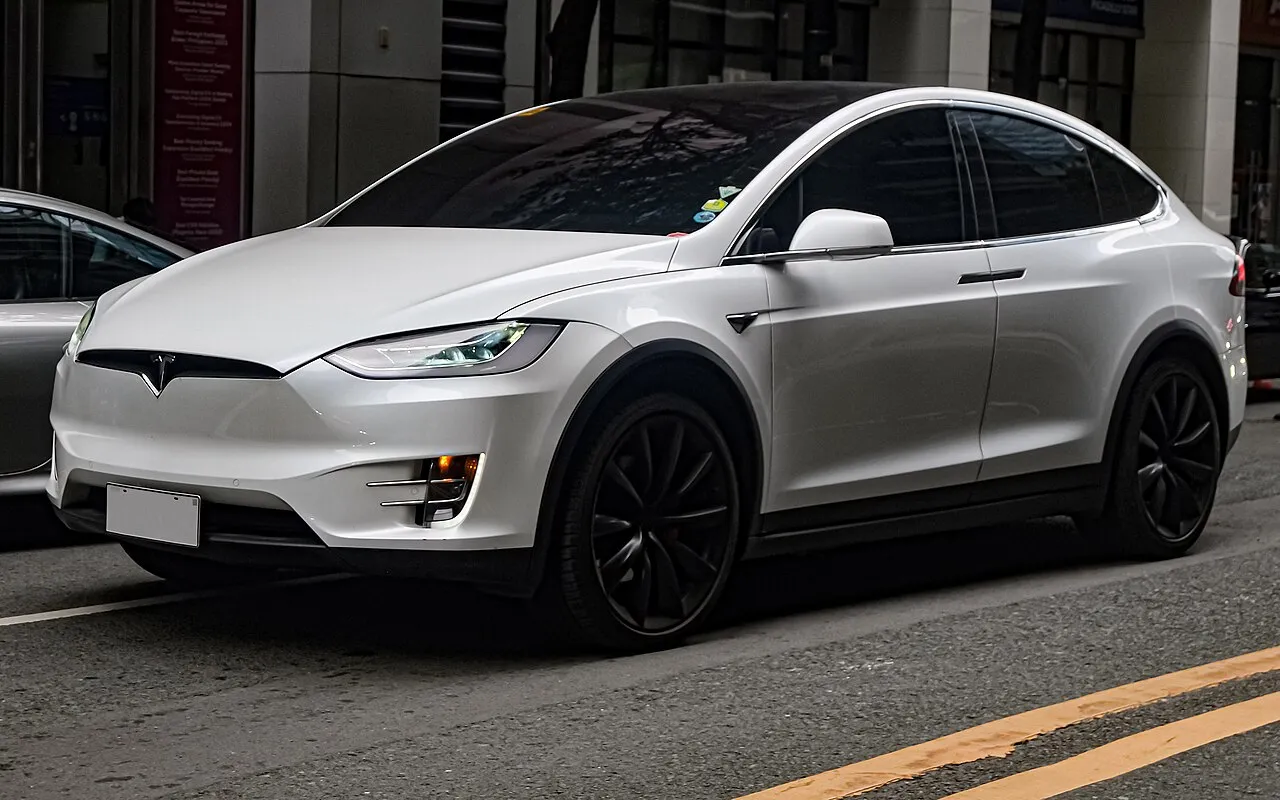
The short answer: According to Not a Tesla App, some Tesla owners in China who already bought Full Self-Driving can activate it through a software workaround. The outlet reports that Tesla is pushing a mandatory over-the-air fix.
A software workaround is reportedly letting some Tesla owners in China activate Full Self-Driving (Supervised) after buying the feature but waiting for a wider official rollout. Not a Tesla App reports that the method takes about 10 minutes on eligible cars and that Tesla is already pushing a mandatory over-the-air fix. The episode puts a practical question back in front of buyers: purchasing a driving feature and being able to use it are separate steps when its release depends on local restrictions and Tesla’s software controls.
The reported method applies to owners who have already purchased FSD, according to Not a Tesla App. It is not described as a way to obtain the feature without paying. The distinction matters in China, where the outlet says owners have been able to buy FSD for years even as its broader release has been delayed. For those owners, the workaround offers a possible route to a feature they bought, but the reported mandatory update could close that route quickly.
How the reported workaround functions
Not a Tesla App attributes the claim about the 10-minute process to X user @shrmodelx. The report says it affects Chinese owners whose cars are on software update 2026.26.200 and who have already purchased FSD. The equipment described is a MacBook and a mobile hotspot. Those conditions are central to the report: it does not establish that the method works across other software versions, on cars without an FSD purchase, or in markets outside China.
The tool is called “Tesla-drug,” according to Not a Tesla App. The outlet says its GitHub repository appeared less than a day before the method began circulating online. The repository described itself as an “unverified Tesla unlock v14.3.8 in CN region,” and had gained more than 100 stars and 100 forks within hours, the report says. Those figures show early attention to the tool, but the repository’s own description does not establish that it works on every otherwise eligible vehicle.
As Not a Tesla App explains it, the car connects to a computer while checking which features it is authorized to use. The computer then answers in place of Tesla’s servers with a configuration that turns on the FSD settings. The report says this method requires no additional hardware installed in the vehicle. Its account describes an authorization workaround, rather than an official activation or a change to a car’s underlying driving hardware.
That mechanism also explains why the reported fix matters. If Tesla changes how affected cars check their feature permissions, an owner who briefly gains access through the tool may lose that access after an update. Not a Tesla App says Tesla is already pushing a mandatory fix over the air, but does not give a completion date for the rollout or say how many vehicles are affected. The lasting effect on any particular car has therefore not been established by the report.
Why Chinese owners are still waiting
According to Not a Tesla App, Tesla began a limited FSD rollout to HW4 vehicles in China in February 2025. Internal testing on employees’ HW3 cars followed in March 2025. The outlet says local data security rules then stopped a wider public release on both hardware platforms. The reported workaround has emerged against that sequence of limited access, testing and delay, rather than following a general public launch across eligible cars.
The outlet reports that Tesla subsequently activated a local data center so driving data from China could remain in the country. In May, Chinese owner’s manuals indicated that FSD v14 would launch there under the name Tesla Assisted Driving, according to Not a Tesla App. The outlet also reported that Tesla began hiring FSD testers in cities across China. These steps show work toward a local release, but they do not give owners a confirmed date when the feature will be broadly available.
Not a Tesla App says Tesla had targeted a third-quarter launch in China. That window passed without an official rollout, the outlet reports. The timing helps explain interest in a tool aimed specifically at owners who have already paid: for them, the issue is when the purchase becomes usable through Tesla’s approved release. The reported tool does not resolve the local data security restrictions that the outlet says held up the wider public launch.
The name Tesla Assisted Driving also matters when following the rollout. Not a Tesla App uses Full Self-Driving (Supervised) for the feature owners reportedly activated through the workaround, while describing Tesla Assisted Driving as the name revealed in Chinese owner’s manuals for its planned local launch. A change in name or evidence of testing does not itself mean that broad access has begun. The report’s account of the missed launch window remains the clearest indication of where that release stood when the workaround spread.
Earlier attempts brought a different response
This is not the first reported attempt to get around Tesla’s regional software restrictions. Not a Tesla App says Tesla previously warned owners against using jailbreak devices to enable FSD where it had been sold but had not yet been approved, including China, South Korea and parts of Europe. Those earlier devices cost roughly €500 and plugged into a car’s CAN bus, according to the outlet. The newly reported computer-based method differs because it does not require that device in the car.
Tesla later began remotely disabling FSD on cars using the CAN bus devices, Not a Tesla App reports. Owners received a message saying the vehicle had “detected an unauthorized third-party device.” The outlet says some Chinese owners reportedly lost FSD access entirely despite having paid for it. That history is relevant to owners considering the newer tool, although it does not establish that Tesla will take the same action against cars that use this method.
The immediate response reported this time is a mandatory software fix. Not a Tesla App raises the possibility of stricter measures based on Tesla’s response to the earlier devices, but reports no such measure for the new tool. For a buyer, the supported conclusion is narrower: the workaround’s availability may be short-lived, and the report does not establish that activating FSD this way will preserve access after Tesla updates the car.
What to watch next
The next concrete step described by Not a Tesla App is Tesla’s over-the-air fix for affected vehicles. The outlet does not report a date for completion, a count of owners who used the tool, or a new Chinese launch date. Until those points become clear, the reported method should be understood as a temporary and limited development, not as evidence of a general FSD release in China.
Elsewhere, Not a Tesla App reports that Italy recently became the 12th EU country to approve Tesla Assisted Driving and that a vote on approval across the bloc was expected in December. Those European developments do not set a timetable for China, where the outlet identified local data security rules as an obstacle to wider access. They do show that Tesla’s plans for the driving feature are moving through separate regional processes.
For Chinese owners who already purchased FSD, the central unresolved issue remains official availability. The reported workaround may have opened access for some cars on a specific software version, while Tesla’s reported fix could close it. A broader launch would answer a different question: when Tesla can make the feature available through its normal release process to eligible customers who have been waiting to use what they bought.
Frequently asked questions
Who can reportedly use the FSD workaround in China?
According to Not a Tesla App, the reported method applies to Chinese Tesla owners on software update 2026.26.200 who have already purchased FSD.
Does the reported method require hardware installed in the car?
No. Not a Tesla App reports that it uses a computer and mobile hotspot without additional hardware installed in the vehicle.
What is Tesla reportedly doing in response?
Not a Tesla App reports that Tesla is pushing a mandatory over-the-air fix to affected vehicles.
When will FSD receive a wider official rollout in China?
A new date has not been published. According to Not a Tesla App, Tesla’s targeted third-quarter launch window passed without an official wider rollout.
Related stories

Nio Launches ES8 Mirror Black Edition 2.0 in China
Nio’s ES8 Mirror Black Edition 2.0 adds black-and-gold trim and starts at 434,800 yuan in China, while retaining the standard ES8’s core hardware.
German Economist Floats Selling Volkswagen to Chinese Buyers
Moritz Schularick says Germany should consider selling Volkswagen while keeping production at home. No buyer, offer or takeover talks have been reported.

Nissan NX7 PHEV Launches in China With 325-Km CLTC EV Range
Dongfeng Nissan has launched the NX7 plug-in hybrid in China, with up to 325 km of CLTC electric range, a 40.95-kWh battery and three trims.