Tesla Cybercab Buyers Face Monthly Fee and Federal Review
Tesla is inviting select buyers to order a $29,990 Cybercab, but a required $299 monthly fee, service-area limits and pending federal review shape the deal.
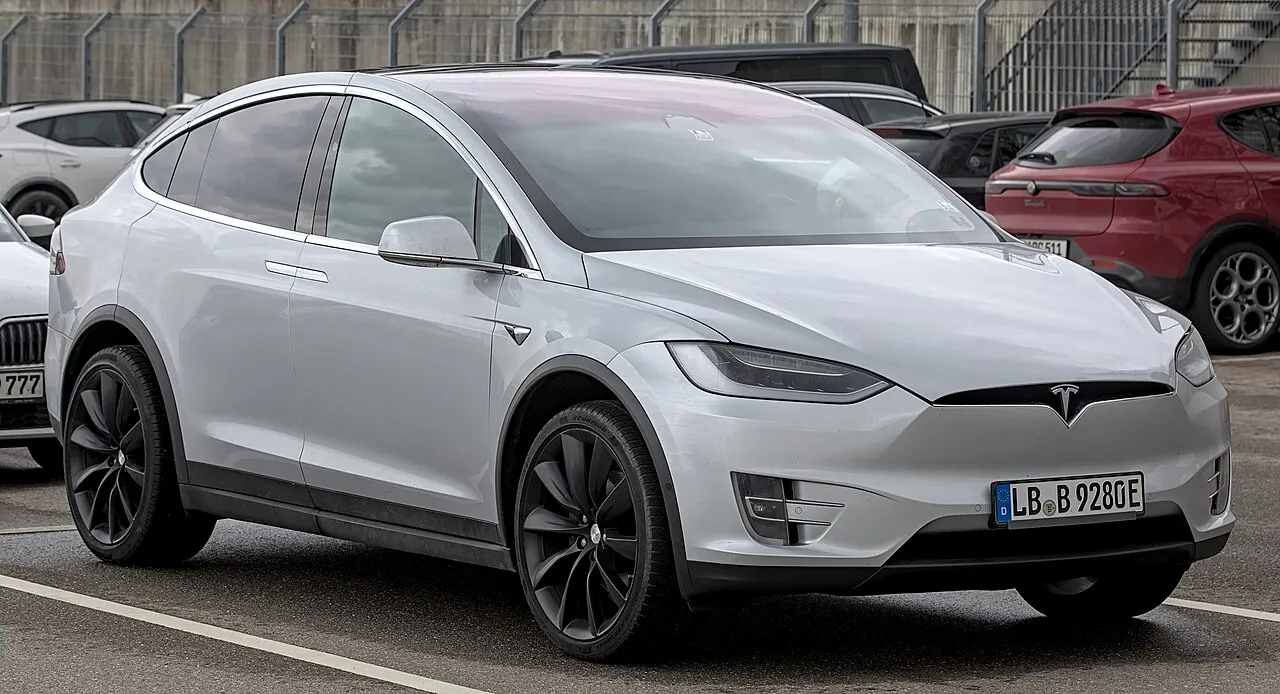
The short answer: According to The Verge Transportation, Tesla is inviting select customers to buy a Cybercab for $29,990 with a required $299 monthly Autonomy Subscription. Availability is limited, and a federal review of the vehicle remains pending.
Tesla is inviting select customers to buy a Cybercab for personal use, according to The Verge Transportation. The offer puts a price on a privately owned vehicle without a steering wheel or pedals, but buyers face a required monthly fee, limits on where the car can operate and an unresolved federal review. For anyone considering the $29,990 purchase price, the central question is what it will cost to keep the vehicle usable on public roads.
According to The Verge Transportation, the Cybercab costs $29,990 and requires a $299 monthly Autonomy Subscription. Tesla says the subscription covers autonomous driving, maintenance and towing, but excludes auto insurance. The vehicle will be available only in supported service areas, which the outlet describes as cities where Tesla operates its Robotaxi service. The invitation also warns that initial availability is limited. Tesla has not disclosed how it chooses invitees or how many Cybercabs it intends to sell privately.
What the purchase and subscription cost
The monthly charge makes the advertised purchase price an incomplete measure of ownership cost. At $299 a month, the subscription costs $3,588 for twelve paid months. According to The Verge Transportation, the first month is included. Paying for the following 59 months would add $17,641 over a five-year period, bringing the purchase price and subscription payments to $47,631 before taxes, charging and insurance. That calculation assumes the monthly rate stays at $299 and the owner keeps the service throughout the period.
The subscription carries a consequence that goes beyond an added bill. According to The Verge Transportation, canceling it would leave the Cybercab unusable on public roads because the vehicle has no manual driving controls. The outlet contrasts that arrangement with Tesla's Full Self-Driving subscription, which costs $99 a month: a driver can cancel that feature on a conventional Tesla and continue driving manually. A Cybercab owner would depend on the Autonomy Subscription to use the car for public-road travel.
The Verge Transportation reports that Tesla may raise the subscription price after giving owners 30 days' notice. Under the terms described by the outlet, continued use after a change constitutes acceptance of the new terms. Owners who cancel, or whose access Tesla suspends, receive no partial refund for the remainder of a month they have already paid for. Those provisions matter more when the service is necessary for the vehicle to operate on public roads.
According to The Verge Transportation, buyers must also place a $1,000 nonrefundable deposit to enter the queue for a December delivery window that Tesla does not guarantee. The deposit secures a place in line rather than a firm handover date. It also comes before the federal review described by the outlet has reached a decision, giving prospective buyers two separate uncertainties to weigh: when a vehicle might arrive and whether its design satisfies federal requirements.
Where owners could use a Cybercab
Personal ownership does not mean the Cybercab could travel wherever an owner wants. The Verge Transportation reports that Tesla is limiting sales to supported service areas, tied to places where its Robotaxi service operates. That makes location part of the purchase decision as well as a limit on use after delivery. The outlet does not report a plan that would let a buyer take the vehicle beyond those areas for ordinary public-road travel.
According to The Verge Transportation, Tesla began offering Cybercab rides within its Model Y-powered Robotaxi service in Austin in September. The outlet cites the crowdsourced Robotaxi Tracker for a count of 278 Cybercabs in operation, approximately 40 percent of the tracked fleet. That figure describes vehicles in the service; it is not a count of Cybercabs offered to private buyers. Tesla has not disclosed how it will divide vehicles between customer deliveries and its own fleet.
The difference between riding in a Tesla-run service and owning a Cybercab is consequential. A private buyer would take on the purchase price, recurring subscription and insurance arrangements while relying on Tesla's autonomous driving service for public-road use. The Verge Transportation reports that insurance is outside the subscription. It also says Tesla has not explained how personal auto insurers would cover a vehicle with no human driver or how liability would be divided between Tesla and an owner after a crash during autonomous operation.
Those unanswered questions are especially relevant to an invitation for personal use. The terms described by The Verge Transportation do not allow owners to use the Cybercab commercially, including for ride-hailing, deliveries or Tesla's Robotaxi network. An early buyer therefore could not use the car to earn fares through that network to help pay the monthly charge. The restriction also separates this offer from Elon Musk's 2024 pitch that individuals could buy Cybercabs and put them to work in Tesla's service.
According to The Verge Transportation, Tesla AI chief Ashok Elluswamy has raised the second quarter of 2027 as a possible target for allowing customer cars onto the Robotaxi network. That is a prospective target, while the current order terms prohibit commercial use. Buyers considering the present offer would have to assess it as a personal vehicle purchase under the terms now described, without treating future network income as part of the ownership calculation.
Federal review remains open
The vehicle's design presents a separate hurdle. According to The Verge Transportation, the National Highway Traffic Safety Administration has opened a formal audit of how Tesla self-certified a Cybercab without a steering wheel, pedals or side mirrors. The outlet reports that current Federal Motor Vehicle Safety Standards require traditional controls such as steering wheels and pedals. A decision in the audit was still pending when Tesla began taking deposits under the personal-use offer.
The Verge Transportation reports that Tesla submitted its legal justification to NHTSA in October and asked for its entire response to remain confidential. As a result, prospective buyers do not have a public explanation from Tesla in that response of how it argues the Cybercab meets the relevant requirements. The pending audit also leaves a distinction between Tesla accepting orders and a federal determination on the vehicle's self-certification. An invitation and a delivery window do not settle that regulatory question.
Musk has described a wider Cybercab rollout as subject to regulatory approval, according to The Verge Transportation. The outlet also reports that he called the $299 monthly charge too high and suggested $115 a month or a figure closer to Tesla's $99 Full Self-Driving subscription. Those comments do not change the $299 requirement in the offer reported by the outlet. A buyer calculating costs today has to use the subscription price attached to the invitation, while recognizing that Tesla's terms allow it to change that price with notice.
What happens next
The immediate milestones are the December delivery window and the outcome of NHTSA's audit. According to The Verge Transportation, delivery in that window is not guaranteed, and the federal decision remains outstanding. Tesla has also left open how many private buyers will receive vehicles and how insurance and crash liability will work for them. Each issue affects whether a customer can move from placing a deposit to using a Cybercab as a personal vehicle.
The offer marks a step beyond Tesla operating Cybercabs within its own ride service, but it comes with narrower terms than the purchase price alone suggests. According to The Verge Transportation, buyers must live in a supported area, pay to retain autonomous driving access and keep the car out of commercial service. For now, the Cybercab's appeal to a private buyer rests on accepting those conditions alongside a delivery timetable and federal review that have yet to be resolved.
Frequently asked questions
How much does a personal Cybercab cost?
According to The Verge Transportation, Tesla is asking $29,990 plus a required $299 monthly Autonomy Subscription. Taxes, charging and insurance are additional costs.
Can an owner use the Cybercab without the subscription?
According to The Verge Transportation, canceling the subscription makes the Cybercab unusable on public roads because it has no manual driving controls.
Can owners earn money by putting a Cybercab on Tesla's Robotaxi network?
No. The current terms prohibit commercial use, including placing a privately owned Cybercab on Tesla's Robotaxi network, according to The Verge Transportation.
Is a December Cybercab delivery guaranteed?
No. According to The Verge Transportation, Tesla requires a $1,000 nonrefundable deposit for a place in line, but does not guarantee delivery in December.
Has the federal review of the Cybercab concluded?
No. According to The Verge Transportation, NHTSA's audit of Tesla's self-certification of the Cybercab remained pending when Tesla began taking deposits.
Related stories

Denver Man Repeatedly Boxes In and Eggs Waymo Robotaxis
Waymo says one man has egged its Denver robotaxis at least 30 times after trapping them with traffic cones. Each reported vehicle needed cleaning.
Tesla Robotaxi Plans Add Highway Speeds and Cybercab Hardware
Updated Tesla responder plans describe Cybercab hardware and roads posted up to 85 mph, but they do not establish when highway or owner rides will begin.
Musk Floats a Model Y Without a Steering Wheel for Families
Elon Musk raised the prospect of a family-size Model Y without driving controls. Tesla has given no launch date or vehicle details, leaving buyers with few answers.