Report: Musk Cut Tesla Autosteer to Boost FSD Subscriptions
New Teslas in the U.S. and Canada no longer include Autosteer. A report says Musk made the change to steer buyers toward paid FSD subscriptions.
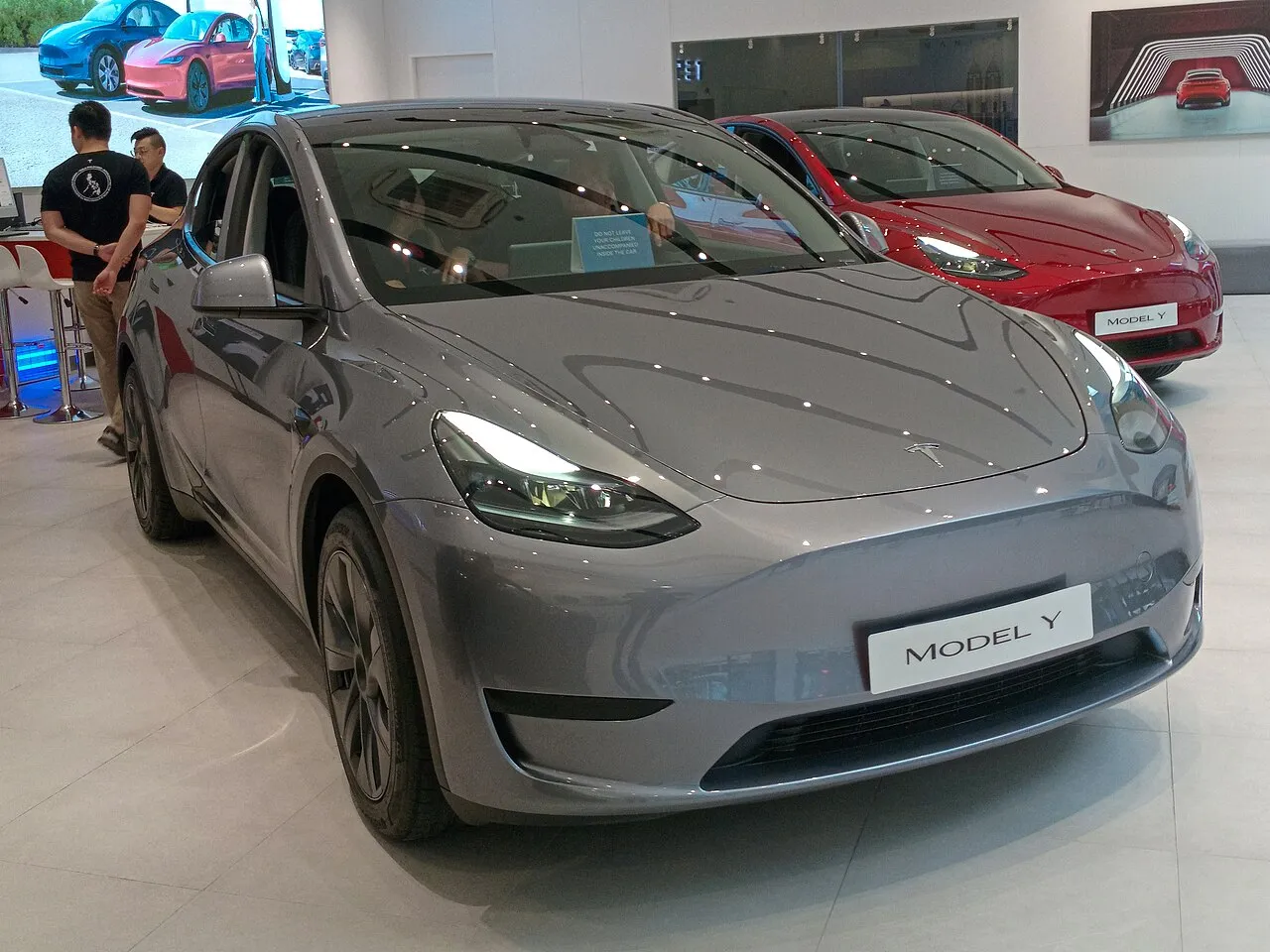
The short answer: According to Not a Tesla App, Elon Musk decided to remove standard Autosteer from new Teslas to increase Full Self-Driving subscriptions. New vehicles in the U.S. and Canada still include Traffic-Aware Cruise Control, but buyers who want Autosteer must get FSD.
Tesla’s decision to stop including Autosteer on new vehicles in the U.S. and Canada was made by Elon Musk to increase Full Self-Driving subscriptions, according to Not a Tesla App, citing a source with knowledge of the decision. The change matters to buyers because a feature that previously came standard now requires a paid FSD subscription. New vehicles still include Traffic-Aware Cruise Control, but that feature does not provide the lane-centering function of Autosteer.
According to Not a Tesla App, Tesla made the change in January 2026, roughly two and a half months after shareholders approved Musk’s 2025 CEO Performance Award. One operational milestone in that award requires 10 million active FSD subscriptions or purchases, paired with a $2.5 trillion market capitalization goal. The outlet reports that Musk made the Autosteer decision to help increase subscriptions. Its account of his reason rests on a source familiar with the decision.
The change also alters how buyers can obtain the feature. At first, customers who wanted Autosteer could buy FSD outright or subscribe to it, according to Not a Tesla App. Tesla ended the outright purchase option the following month. Since then, the outlet reports, FSD has been available in North America only through a monthly subscription. The report does not give a subscription price.
What changed on new Teslas
Basic Autopilot had included two functions: Traffic-Aware Cruise Control and Autosteer. The first manages cruising speed in relation to traffic; the second keeps the vehicle centered in its lane, according to Not a Tesla App. Since the January change, new Teslas in the U.S. and Canada have come with Traffic-Aware Cruise Control alone. A buyer seeking the lane-centering function must obtain FSD.
That distinction is central to the buying decision. The standard feature retained by Tesla is Traffic-Aware Cruise Control, while Autosteer has moved behind the FSD payment. Calling the remaining feature Basic Autopilot would obscure the change: according to Not a Tesla App, the earlier standard package contained both functions. Customers who relied on Autosteer for lane centering face a different choice when ordering a new vehicle than they did before January.
According to the outlet, Basic Autopilot had been sufficient for many drivers, particularly on highways. It reports that those drivers were the group the decision sought to move toward FSD. The account does not establish how many buyers in that group ultimately subscribed. It does, however, identify the feature they lost as a standard inclusion and the paid route now available to new buyers who want it.
How Tesla’s driver-assistance packages evolved
Autosteer was not always standard. Earlier Tesla buyers had to purchase Enhanced Autopilot to get it, according to Not a Tesla App. That package combined Traffic-Aware Cruise Control and Autosteer with Auto Lane Change, Navigate on Autopilot, Autopark and Summon. The outlet says Enhanced Autopilot was last priced at $6,000. That historical price applies to the former package; it is not a price for today’s FSD subscription.
Around 2019, Tesla separated those features and made Basic Autopilot standard on every new vehicle, with Traffic-Aware Cruise Control and Autosteer included at no extra cost, according to Not a Tesla App. Enhanced Autopilot was later dropped in North America as Tesla shifted toward FSD. The January decision therefore reversed a longstanding expectation for new-car buyers: Autosteer was no longer part of the standard equipment they received.
The history helps explain why the change is consequential even though Traffic-Aware Cruise Control remains. For years, buyers could get both functions without choosing a separate driver-assistance purchase. Under the arrangement described by Not a Tesla App, obtaining Autosteer now means taking an FSD subscription. The outlet also notes that lane centering is becoming common across vehicles, making its removal from Tesla’s standard package relevant to shoppers comparing features.
What the subscription figures show
Tesla reported a record 1.74 million FSD subscribers in its third-quarter 2026 earnings report, with more than half on monthly plans, according to Not a Tesla App. The outlet also says Tesla reported FSD was included with 75% of new vehicle orders in North America during that quarter. Those figures describe different things: the subscriber total concerns FSD users, while the order figure concerns the share of new orders that included FSD.
The figures show substantial FSD uptake, but they do not isolate the effect of removing standard Autosteer. Not a Tesla App reports Musk’s reason for the decision through a source with knowledge of it; the quarterly totals alone cannot show how many customers chose FSD specifically because Autosteer was no longer included. They also do not show how many of the North American orders became active subscriptions. Each measure is useful, but neither answers those narrower questions.
During Tesla’s third-quarter earnings call, an analyst estimated that FSD annual recurring revenue was approaching $1 billion, and Tesla confirmed the estimate was correct, according to Not a Tesla App. That estimate concerns revenue, rather than the number of subscribers required by the compensation milestone. It adds business context to the push for subscriptions without establishing the revenue attributable to the Autosteer decision.
The 1.74 million subscriber figure also leaves a considerable distance to the award’s 10 million active FSD subscriptions or purchases milestone. According to Not a Tesla App, the milestone is paired with a $2.5 trillion market capitalization goal. The outlet connects the Autosteer change to Musk’s pursuit of the subscription target, but the reported subscriber count does not establish whether or when the award’s conditions will be met.
Where FSD expansion stands
Not a Tesla App reports that Tesla has begun offering FSD subscriptions beyond North America, including in South Korea and a growing number of European countries. More markets give Tesla access to more potential subscribers. Availability in additional countries, though, is a separate development from the January change to standard equipment on new vehicles in the U.S. and Canada. The reported equipment change concerns those two North American markets.
The outlet says a decision on approval across the European Union is expected in December. It identifies broader European approval, entry into more markets and continued FSD improvements as factors that could affect Tesla’s progress toward 10 million active subscriptions or purchases. An expected decision is not an approval, and the report does not establish what that decision will be or how many subscriptions it might produce.
For prospective buyers, the immediate consequence is more concrete than the longer-term subscription goal. According to Not a Tesla App, a new Tesla in the U.S. or Canada comes with Traffic-Aware Cruise Control, while Autosteer requires FSD. Because outright FSD purchases ended after January, the outlet says the current route to Autosteer in North America is a monthly FSD subscription. Buyers evaluating a new vehicle therefore need to account for that payment if lane centering is a feature they want.
For Tesla, the question is whether turning a formerly standard feature into a reason to subscribe can sustain growth beyond the reported third-quarter results. Not a Tesla App attributes the decision to Musk and links it to the FSD milestone in his performance award. Future subscription totals will show Tesla’s overall progress toward that milestone, although the figures reported so far do not measure the Autosteer change’s individual contribution.
Frequently asked questions
Do new Teslas still include Autosteer?
According to Not a Tesla App, new Teslas in the U.S. and Canada stopped including Autosteer in January 2026. They still include Traffic-Aware Cruise Control.
How can a new Tesla buyer get Autosteer?
According to Not a Tesla App, buyers in North America must subscribe to Full Self-Driving to get Autosteer. Tesla ended the option to buy FSD outright the month after the January change.
Why was standard Autosteer removed?
Not a Tesla App cites a source with knowledge of the decision who says Elon Musk removed it to increase FSD subscriptions.
How many FSD subscribers did Tesla report?
Tesla reported a record 1.74 million FSD subscribers for the third quarter of 2026, with more than half on monthly plans, according to Not a Tesla App.
Related stories

Kia Confirms Rio-Sized Electric Hatchback for 2027
Kia says its first mass-market software-defined vehicle will be a B-segment electric hatchback due by the end of 2027, with a European launch expected in 2028.

Tesla FSD v15 Reaches Older Model Ys Without Bumper Cameras
Tesla is extending FSD v15 to pre-refresh Model Ys without front bumper cameras, with early reports praising smoother driving but flagging visual lag.
Cybertruck Owner Says Buyer Offered $110,000 for Used Truck
A Texas owner says he turned down a $110,000 offer for his three-year-old Cybertruck, citing its software and the difficulty the buyer had getting a new one.