Hyundai and Kia Plan App-Based Smart Charging With WeaveGrid
Hyundai and Kia are working with WeaveGrid on app-based smart charging in the U.S. Vehicle-to-grid service is planned later, subject to utility programs.
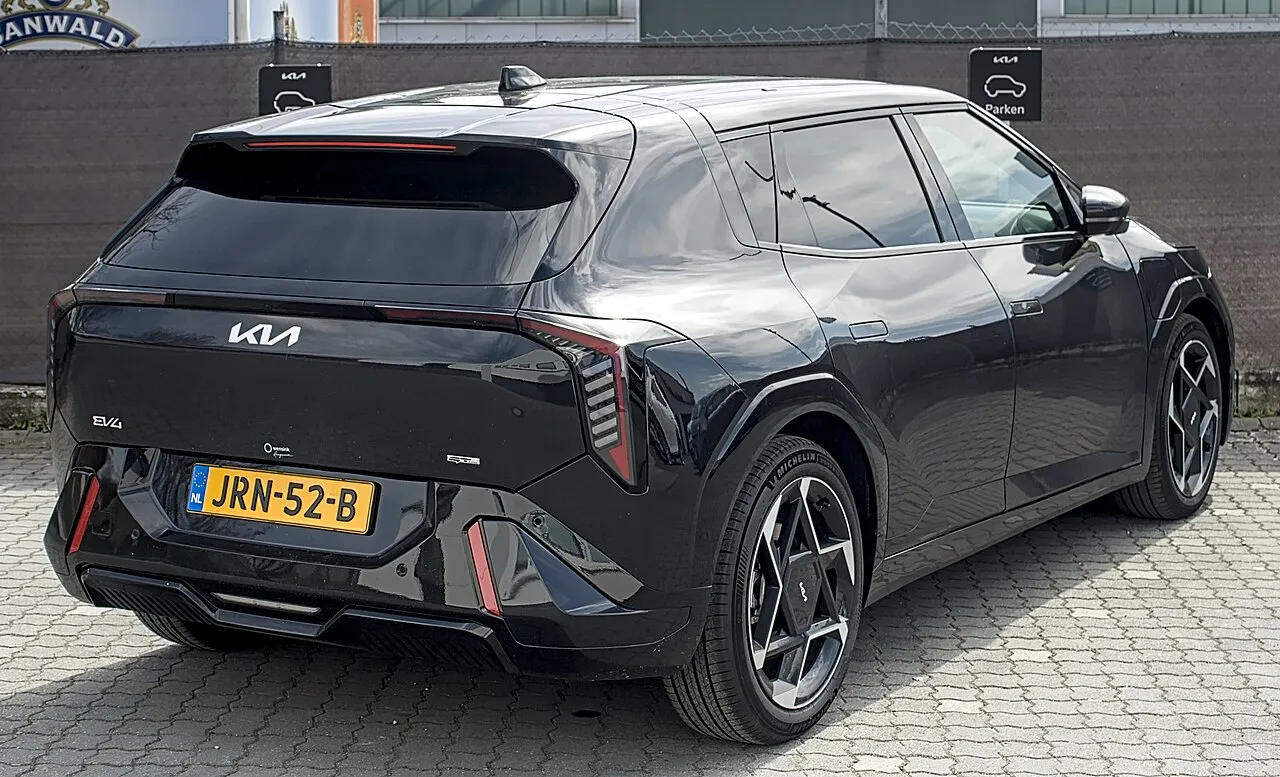
The short answer: Hyundai and Kia are developing smart charging through their existing apps with WeaveGrid. Vehicle-to-grid capability is a later goal; availability will depend on participating utilities.
Hyundai and Kia are working with energy technology company WeaveGrid to let U.S. EV owners schedule charging through the myHyundai and Kia Access apps. The first planned service would adjust charging times around electricity rates and local grid demand, according to Electric Cars Report. For drivers, the potential benefit is a lower charging bill without having to manage every charging session manually. The companies also plan to pursue vehicle-to-grid service, which could eventually let compatible cars send electricity back to the grid, but that is a later stage of the partnership.
The distinction matters to anyone considering a Hyundai or Kia EV for its energy features. Scheduling when a car draws power is the initial goal. Sending power out to a utility is a separate capability that will depend on further development, including charging hardware and grid connection requirements. Electric Cars Report said availability of the services will depend on individual utility programs, with eligibility, incentives and enrollment conditions varying by location and electricity provider. The partnership does not establish a single program that every Hyundai or Kia owner can join.
How the first charging feature is intended to work
Under the agreement, WeaveGrid will power a platform connecting Hyundai and Kia EVs with U.S. energy services, according to Electric Cars Report. Drivers would enter a preferred departure time and desired battery charge level in the mobile app they already use for their vehicle. WeaveGrid’s technology would then adjust the charging schedule to seek periods with lower electricity rates and lower demand on the local grid. The driver’s stated needs give the system a target: the aim is to shift the timing of charging while still reaching the requested charge level for departure.
This approach is known as smart charging or V1G, a form of unidirectional charging. Electricity still flows into the car; the software changes when it does so. According to Electric Cars Report, that timing could reduce an owner’s electricity costs and ease pressure on the grid during peak demand periods. The potential saving depends on the applicable electricity rates and utility program. The report did not announce a launch date or a dollar saving for participating drivers.
WeaveGrid’s role extends beyond an app-based schedule. Electric Cars Report said the company will provide authorized connectivity between vehicles and utilities, giving electricity providers access to charging and battery information across different vehicle models. The integration is designed to protect customer privacy and vehicle cybersecurity. The companies are developing the platform to accommodate more vehicle models, utility programs and energy services over time. That broader design matters because the charging rules and incentives available to one household may differ from those offered by another utility.
Why vehicle-to-grid service is a later step
Vehicle-to-grid, or V2G, would let a compatible EV send stored electricity from its battery back to the wider power grid. That makes it more than a change to a charging schedule. According to Electric Cars Report, Hyundai and WeaveGrid intend to add V2G as bidirectional charging hardware, utility regulations and grid connection requirements develop. The report described possible financial incentives for owners and a way for utilities to balance electricity supply and demand, but it did not announce an incentive amount or terms for an owner to export power.
There is a practical reason to keep those services separate. With V1G, a participating driver can potentially help a utility by moving charging away from busy periods. With V2G, the vehicle would become a source of electricity for the grid when conditions allow. Electric Cars Report said utilities could potentially treat thousands of connected EVs as a distributed energy storage resource. That is a proposed use for participating vehicles, rather than an indication that Hyundai and Kia owners can currently discharge their cars into the grid through this partnership.
Some Hyundai and Kia vehicles already demonstrate other forms of bidirectional power use. According to Electric Cars Report, the Hyundai IONIQ 5 and Kia EV6 offer vehicle-to-load, or V2L, functionality that can power external electrical devices from the battery. The Kia EV9 offers home backup power in supported configurations and markets. Neither example establishes V2G access: powering a device, backing up a home and exporting electricity to a utility involve different uses of the battery. The planned WeaveGrid expansion concerns that final, grid-facing use.
What the vehicles show about charging needs
The vehicles named in the partnership coverage have different rated ranges and Level 2 charging times, which helps explain why a useful scheduling tool needs a driver’s departure time and charge target. For the U.S.-market 2027 Hyundai IONIQ 5, EPA ratings put the rear-wheel-drive version at 318 miles of range with a 9.1-hour Level 2 full-charge time. The U.S.-market 2027 IONIQ 5 Standard Range is rated at 245 miles by the EPA, with a 6.3-hour Level 2 full-charge time. Those are vehicle ratings, not estimates of savings from the WeaveGrid service.
The U.S.-market 2027 Kia EV6 Long Range RWD has a 319-mile EPA rating and a nine-hour Level 2 full-charge time. The U.S.-market 2027 EV6 Standard Range RWD carries a 237-mile EPA rating and a 6.2-hour Level 2 full-charge time. For the larger Kia EV9, the U.S.-market 2027 Long Range RWD is EPA-rated at 305 miles and has a 10.7-hour Level 2 full-charge time. These published times illustrate why the available charging window can vary by vehicle. They do not establish how long a particular owner will need to charge on a given night.
Owners who leave a vehicle connected for longer than it takes to reach their chosen charge level may have room to shift charging within that window. Whether the shift changes a bill depends on the rates and program available through the owner’s utility. The app controls described by Electric Cars Report are intended to let drivers state when they need the car and how much charge they want, so the scheduling system can work around those requirements. The report did not identify which model years or configurations will be eligible when the first service opens.
Utility reach and what comes next
The agreement follows Hyundai Motor Group’s strategic investment in WeaveGrid, announced in January 2025, according to Electric Cars Report. The outlet said WeaveGrid works with utilities serving more than 50% of U.S. EV owners. It named Ameren Illinois, Exelon, CPS Energy, PG&E, Southern California Edison, Salt River Project, AEP and Xcel Energy among WeaveGrid’s utility partners. That reach could help the automaker bring charging programs to multiple markets, but an existing WeaveGrid utility relationship does not by itself establish enrollment for Hyundai or Kia drivers.
For now, the concrete plan is an app-based smart charging platform, followed by work toward V2G. Drivers will need details from their automaker and electricity provider to know whether their vehicle and address qualify, what charging controls are offered and whether a local program includes incentives. According to Electric Cars Report, those conditions will vary by utility. The partnership gives Hyundai and Kia a route to coordinate EV charging with electricity providers, while the eventual value to an individual owner will turn on the programs that actually become available where that owner charges.
Frequently asked questions
What will Hyundai and Kia owners be able to control in the apps?
The planned smart charging feature will let drivers set a preferred departure time and desired battery charge level in the myHyundai or Kia Access app, according to Electric Cars Report.
Is vehicle-to-grid service available through this partnership now?
No. Electric Cars Report describes smart charging as the first planned service and vehicle-to-grid capability as a later goal.
Will every Hyundai and Kia EV owner qualify for smart charging?
Availability will depend on participating utility programs. Eligibility and enrollment conditions will vary by location and electricity provider, according to Electric Cars Report.
Does vehicle-to-load functionality mean a car can send power to the grid?
No. Vehicle-to-load powers external devices, while vehicle-to-grid service would send electricity from a compatible EV to the wider grid.
Related stories

MAHLE Tests Automated Wireless EV Charging With BMW
MAHLE’s Park & Charge pilot guides an EV over an in-ground pad and starts wireless charging automatically, while BMW helps assess the system in an iX3.

Leapmotor B10 Design LR Joins Australia’s Amber V2G Program
The Leapmotor B10 Design LR can now send stored power to homes or the grid through Amber, with warranty support subject to operating conditions.

How AI Could Address Three Persistent EV Concerns
Machine learning can make range estimates more personal, help charging networks anticipate demand and flag early signs of battery degradation, according to EV Powered.