Dutch Court Orders JLR to Destroy Seized BYD Records
A Dutch court has lifted JLR's seizure of BYD records in its Ti7 dispute. The copying allegations remain unresolved as the SUV gains Australian approval.
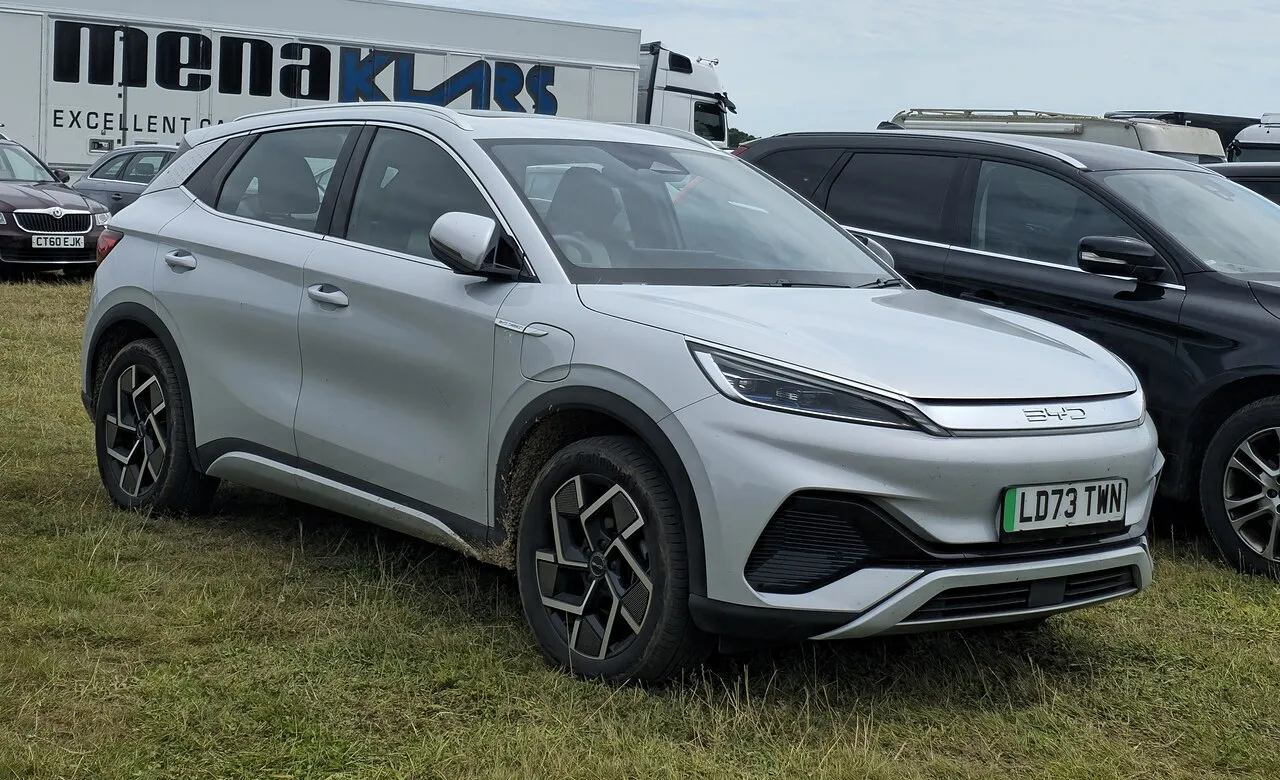
The short answer: The District Court of The Hague ordered Jaguar Land Rover to arrange the destruction of records seized from BYD. The ruling concerns access to those records and does not decide whether the BYD Ti7 copies the Land Rover Defender.
A Dutch court has ordered Jaguar Land Rover (JLR) to arrange the destruction of records seized from BYD as part of a dispute over the BYD Ti7 plug-in hybrid SUV, according to EV Central. The November 11 decision limits JLR’s access to potential evidence, but leaves its allegation that the Ti7 copies the Land Rover Defender unresolved. For prospective buyers, the ruling does not establish whether the Ti7 can be sold in any particular market. It comes as the seven-seat SUV has received Australian approval, with local pricing and launch timing still unannounced.
The District Court of The Hague lifted the seizure after BYD challenged it, Dutch news agency ANP reported, according to EV Central. The court found that JLR did not need the records to establish its allegation about the Ti7’s design. It also considered the records unnecessary for establishing the extent of any damages because the Ti7 had not been sold in the European Union, according to ANP’s report, which was published by AutoWeek. Those findings address the need to retain the seized records; they do not resolve JLR’s copying claim.
What the court ordered
Court-ordered bailiffs acting for JLR collected records from BYD offices in Schiedam and Hoofddorp in August, according to EV Central. The seizure was intended to preserve potential evidence for the dispute. BYD objected to its scope and called it a “fishing expedition.” Following BYD’s challenge, the court ordered JLR to arrange for the seized records to be destroyed. The ruling changes what can be retained from that evidence-gathering step while the broader dispute continues.
Under an extract of the order reported by EV Central, JLR must instruct the bailiff or court-appointed custodian to destroy the seized data within 24 hours of formal service of the judgment. The records must no longer be available to those parties or to anyone other than BYD. JLR must then give BYD confirmation within 24 hours of the destruction. The deadline is tied to formal service of the judgment, while the separate confirmation deadline runs from completion of the destruction.
Failure to comply carries a penalty of €50,000 per hour, capped at €500,000, according to EV Central. That penalty concerns compliance with the destruction order. The ruling does not award damages over the Ti7 or decide that JLR’s underlying allegation is correct. ANP reported that JLR has separate proceedings in The Hague and Rotterdam concerning its Defender allegations. The outcome of those proceedings remains open.
What the decision means for the Defender dispute
The distinction between the records ruling and the copying claim is central to this case. JLR sought to preserve records from BYD while pursuing its allegations. BYD challenged JLR’s ability to keep those records. The Hague court decided that the records were not needed to establish the alleged design copying, according to ANP’s account. It did not decide whether the Ti7’s design infringes any intellectual property rights associated with the Defender.
The court’s reasoning on damages also has a defined scope. ANP reported that the Ti7 had not been sold in the European Union, which informed the court’s view that the seized records were unnecessary to establish the extent of damages. That finding explains why the court lifted this seizure; it is not a decision on what damages, if any, another proceeding might ultimately consider. EV Central reported no resolution of JLR’s separate claims in The Hague or Rotterdam.
For BYD, the immediate effect is an order requiring the destruction of records taken from its Dutch offices. For JLR, it is a setback in its effort to retain those records for the dispute. Neither result settles the question that gave rise to the action: whether the Ti7 infringes rights associated with the Defender. The two companies’ dispute therefore continues beyond the November 11 order, even as that order sets specific deadlines for handling the seized records.
The Ti7’s Australian approval
The court decision follows Australian approval of the Ti7, according to EV Central. Approval covers front-wheel-drive and all-wheel-drive plug-in hybrid versions, each with seven seats and a 110 kW 1.5-liter turbocharged gasoline engine. EV Central reported a single 200 kW electric motor for the front-wheel-drive version. The all-wheel-drive version pairs a 160 kW front motor with a 200 kW rear motor. The approval gives maximum outputs of 200 kW and 300 kW, respectively.
Those figures describe two distinct Ti7 configurations approved for Australia. The front-wheel-drive version uses one electric motor, while the all-wheel-drive version has a motor at each axle. Although both have the same stated gasoline engine output, their approved maximum outputs differ. The motor ratings and the approved maximum outputs describe different aspects of the vehicles; adding the individual motor ratings would not reproduce the approval’s maximum-output figure for the all-wheel-drive version.
Australian approval is a concrete step for the Ti7, but EV Central reported that local pricing and launch timing remain unannounced. Australian battery capacity, electric driving range and charging details have also not been announced. As a result, a prospective buyer can identify the approved seating, drive layouts and power figures, but cannot yet assess the Australian versions’ electric-only driving capability or charging needs from announced figures.
The Ti7 is a plug-in hybrid, so its electric driving range is a separate question from its combined power output. A 200 kW or 300 kW maximum-output figure says how much power the approved version can produce; it does not state how far that version can travel on electricity or how long charging takes. EV Central’s account of the Australian approval contains no announced battery capacity, electric-range figure or charging specification for either version. Those details will matter when Australian buyers can compare the two versions.
What happens next
The immediate procedural step is compliance with the Dutch order: after formal service, JLR must instruct the bailiff or custodian to destroy the seized records within the specified 24-hour period, according to EV Central’s account of the order. BYD must receive confirmation within 24 hours after destruction. The hourly penalty and €500,000 cap give that timetable practical weight. No outcome for the separate intellectual property proceedings has been announced in EV Central’s report.
Two other developments remain unresolved for buyers following the Ti7. The first is JLR’s allegation itself, which the records decision did not decide. The second is the Australian vehicle rollout: the Ti7 has approval for two seven-seat plug-in hybrid versions, but EV Central reported no local price or launch date. Until battery, range and charging figures are announced, the approval establishes the planned powertrain configurations more clearly than it establishes how either version will work for electric driving.
The Dutch ruling is therefore a significant procedural development in an active dispute, not a verdict on the Ti7’s design. It requires seized BYD records to be destroyed under a short deadline and leaves JLR’s separate allegations to be resolved elsewhere. Meanwhile, Australian approval gives the Ti7 a clearer vehicle profile, but still leaves the timing and key plug-in hybrid details that buyers need to evaluate.
Frequently asked questions
Did the Dutch court decide whether the BYD Ti7 copies the Defender?
No. According to EV Central, the ruling concerns records seized from BYD. JLR’s allegations remain unresolved.
What must JLR do with the seized BYD records?
According to EV Central, JLR must instruct the bailiff or court-appointed custodian to destroy them within 24 hours of formal service of the judgment and confirm destruction to BYD within 24 hours after it is completed.
Which Ti7 versions have Australian approval?
EV Central reported approval for seven-seat front-wheel-drive and all-wheel-drive plug-in hybrids, with respective maximum outputs of 200 kW and 300 kW.
Has Australian pricing or an electric driving range been announced?
No. According to EV Central, Australian pricing, launch timing, battery capacity, electric driving range and charging details remain unannounced.
Related stories

GWM Haval H7 PHEV Undercuts Toyota RAV4 PHEV in Australia
GWM’s Haval H7 PHEV pairs a lower Australian starting price with more power and claimed electric range, while Toyota counters with safety features and fuel economy.
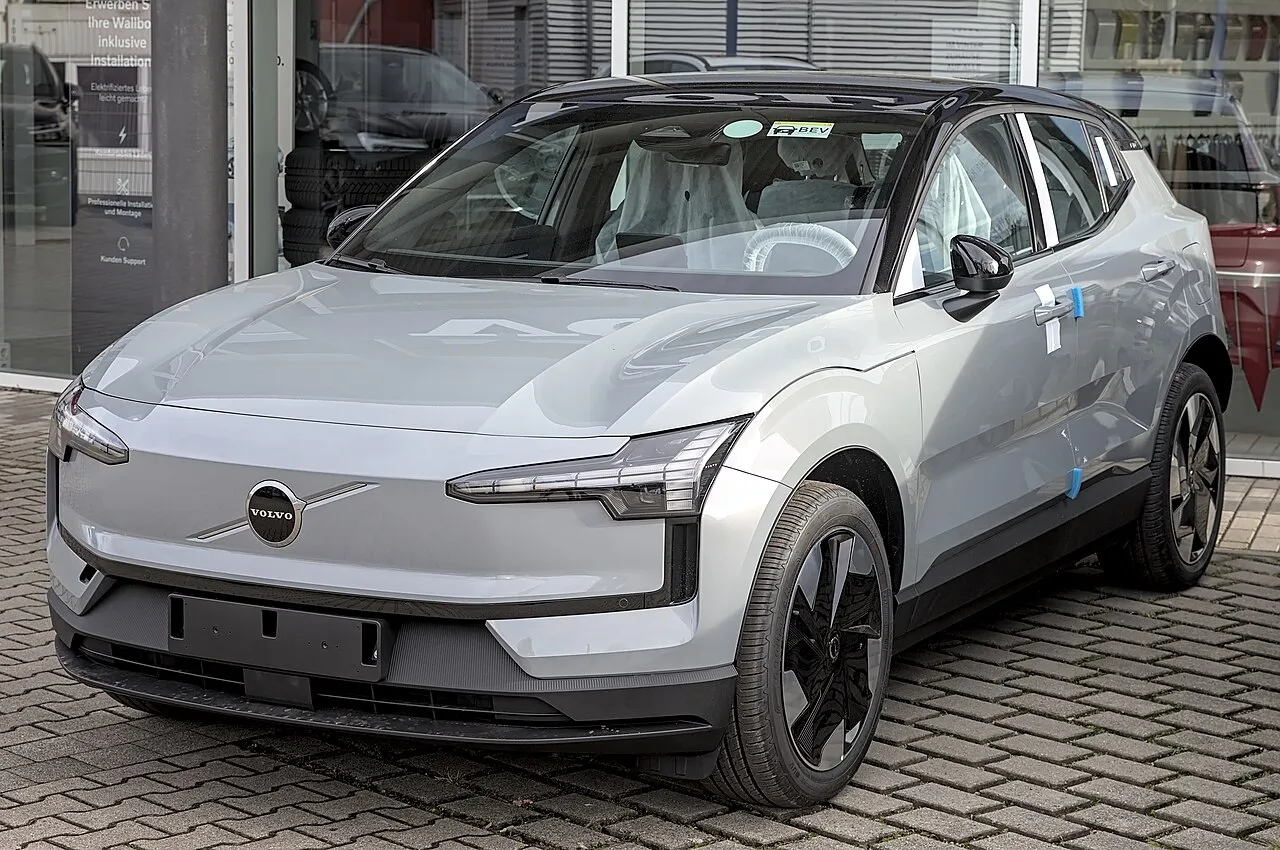
Updated Volvo XC60 PHEV Claims Up to 124 Miles of EV Range
Volvo’s updated XC60 plug-in hybrid pairs a 37.9-kWh battery with claimed electric range of up to 124 miles, while retaining a gasoline engine.
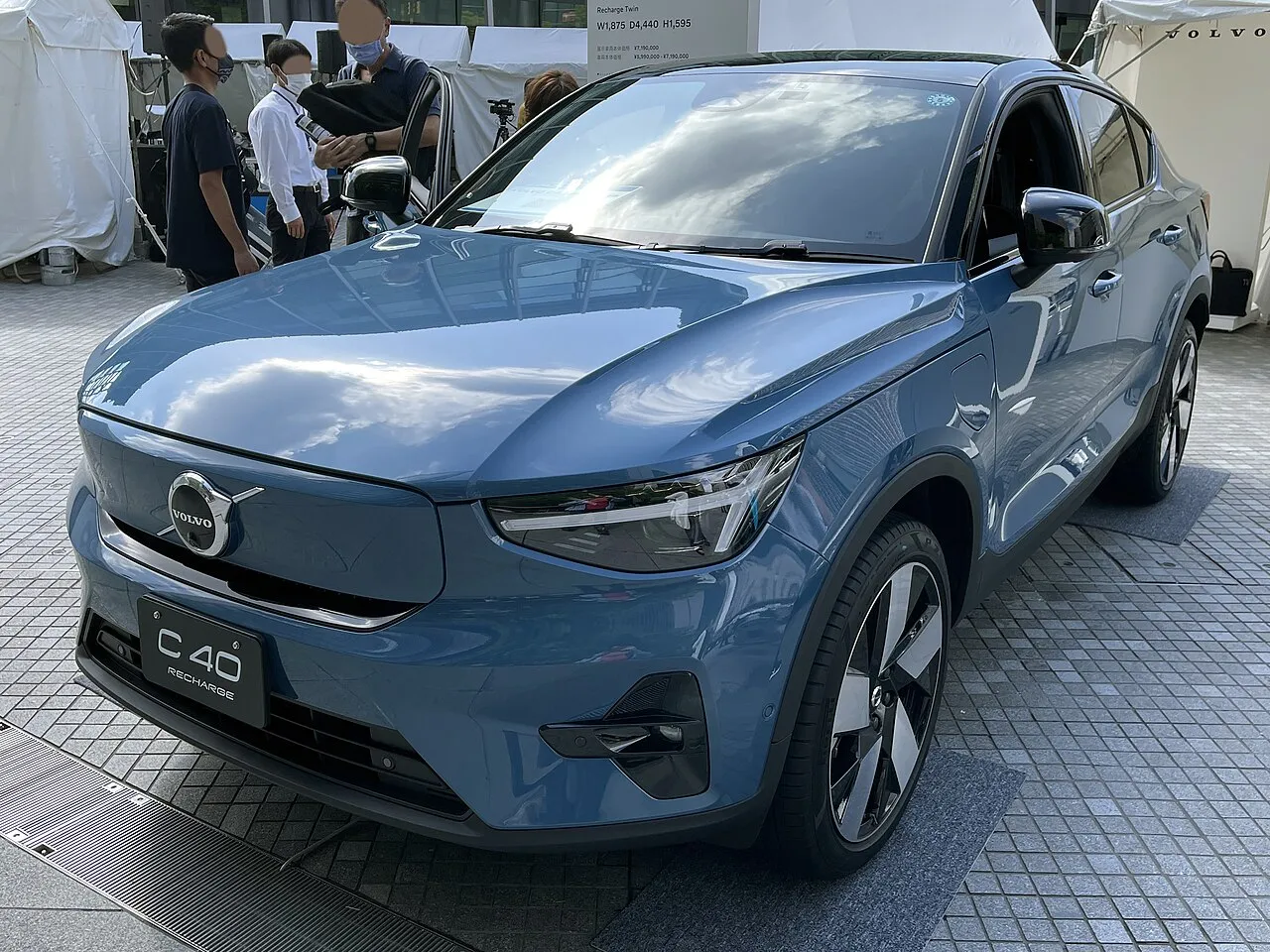
2028 Volvo XC60 T8 Gets 78 Miles of EPA Electric Range
Volvo’s updated XC60 T8 pairs a 37.9-kWh battery with 455 hp and 78 miles of EPA electric range, extending the life of its aging plug-in hybrid SUV.