Cybertruck Exit Puts Electric Pickup Prices in Focus
Tesla plans to wind down Cybertruck production as sales lag. Its exit puts the cost, towing demands and next generation of electric pickups in focus.
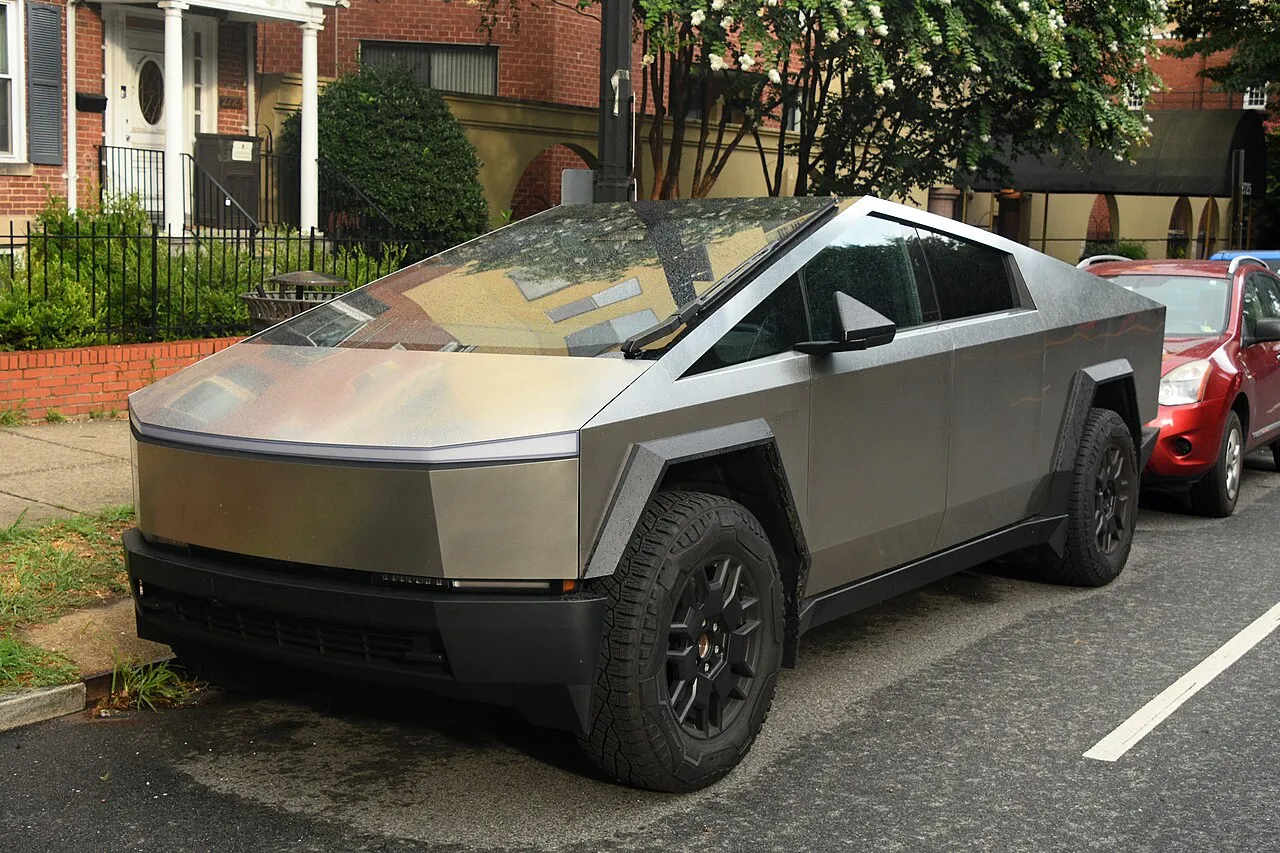
The short answer: According to Grist Transportation, Tesla plans to wind down Cybertruck production next year to make room for Cybercabs. Other electric pickups remain on sale or in development, but their prices and ability to meet truck buyers’ needs remain central questions.
Tesla plans to wind down Cybertruck production next year and make room for its planned Cybercab robot taxis, according to Grist Transportation. The decision follows sales far below the annual volume Elon Musk once projected. For Americans considering an electric pickup, it marks the end of one unusually prominent option and renews a broader question: what will it take to make battery-powered trucks affordable and useful enough for more pickup buyers?
Grist reported that Musk announced the plan on Friday. Before the Cybertruck reached customers in late 2023, he had told investors Tesla would sell 250,000 a year. The company sold just over 20,000 last year, according to Grist. Those figures put the scale of the gap in view, although the earlier number was a projection for annual sales, while the later number describes one year’s sales. The truck drew attention for its angular design, but attention did not translate into the volume Musk had described.
The Cybertruck is one part of a difficult stretch for full-size electric pickups. Grist reported that Ford discontinued the F-150 Lightning after finding it was losing money. The outlet also said sales of Rivian’s electric pickup have fallen each year since 2023, while GMC’s Hummer EV sales have dropped sharply. These are different vehicles with different buyers, so their results do not establish a single cause. Together, they show why automakers face a practical challenge beyond generating interest in electric trucks: finding enough customers at prices that support the business.
Price is a central obstacle
Grist reported that the starting price of the 2026 Cybertruck had risen to $92,500 and that the least expensive Hummer EV cost $97,200. It also put the starting price of a comparable gasoline Ford pickup at $52,000, about $11,000 below the Lightning’s price before its discontinuation. For a buyer comparing trucks by monthly payment, those differences can matter even before considering which vehicle fits the work it needs to do.
Dan Krassner, executive director of the American EV Jobs Alliance, told Grist that the first electric trucks were priced above what many truck buyers could pay. He also pointed to questions about charging and towing. Full-size electric pickups need large batteries to provide the range and towing capability buyers expect, he said, contributing to their higher prices. That creates a difficult balance for automakers: reducing the purchase price while retaining the capabilities that make a pickup worth buying.
Published U.S. EPA ratings give a more precise view of the Cybertruck’s range under one test standard. For the 2026 model year, the EPA rates both the AWD and Dual Motor AWD versions at 325 miles; the Long Range version with 20-inch Cyber Wheels is rated at 335 miles. Those are U.S. EPA ratings for particular versions, rather than a promise of distance while towing. The ratings establish a starting point for shoppers, but they do not answer the trip-planning question that Grist’s sources raised about pulling a camper across several states.
Grist also described a striking difference between new and used Lightning prices. Citing transportation outlet Electrek, it said used examples were going for 50 percent off their sticker prices and were selling quickly. A lower used price could make an electric pickup accessible to someone who could not justify its original cost. At the same time, that observation concerns used trucks after production ended; it does not show what a new electric pickup would have to cost to succeed.
What the first electric trucks have shown
The Cybertruck and Lightning approached buyers in different ways. The Lightning was an electric version of a familiar pickup, while the Cybertruck made its unconventional design a defining feature. Alexander Edwards, president of research consultancy Strategic Vision, told Grist that Lightning owners’ needs include towing a camper over long distances without worrying about range and charging access. He said the Cybertruck appealed to individuality, innovation and excitement, but relatively few people were willing to pay its high price for that experience.
Edwards also pointed to product frustrations, Musk’s politics and the changing meaning of Cybertruck ownership as factors in its reception. Grist reported that Tesla became a political target amid Musk’s involvement with DOGE. Those factors complicate any attempt to treat Cybertruck sales as a verdict on electric pickups generally. Its distinctive appearance and association with Musk may have attracted some customers while discouraging others; the source does not quantify either effect.
Pickup buyers also face choices that extend beyond the vehicle itself. If an owner regularly tows over long distances, the time and location of charging stops matter alongside a truck’s rated range. That is the concern Edwards raised about the Lightning, according to Grist. Conversely, a buyer whose truck meets their routine driving needs may weigh the purchase price more heavily. The EPA Cybertruck figures describe rated range, while Grist’s reporting identifies towing and charging access as unresolved questions for buyers; neither establishes how far a particular truck will travel with a trailer.
Grist described another obstacle for automakers trying to reach traditional pickup customers: electric vehicles have appealed unevenly across the political spectrum. The outlet cited a study from the MIT Center for Energy and Environmental Policy Research finding that roughly half of new U.S. EV registrations from 2012 through 2023 came from the 10 percent most Democratic counties. The researchers found electric trucks performed better in Republican-leaning areas than EVs generally, Grist reported, though they still fell short of what Tesla and Ford had hoped to achieve.
That finding offers a reason to keep watching the category, even after prominent models have struggled. An electric pickup could reach buyers who have shown less interest in other EV body styles. But performing better in those areas did not, by itself, make the Cybertruck or Lightning a sustained sales success. Automakers still have to address the price and capability concerns that Grist’s sources identified.
Krassner cited polling from EVs for All America suggesting one measure of partisan resistance had eased. According to Grist, the share of Republicans agreeing that EVs are “for people who see the world differently than I do” fell from 59 percent in November 2023 to 49 percent in November 2025. That is a change in a stated attitude, rather than a count of pickup purchases. It suggests a possible opening for electric trucks, while leaving their price and practical appeal to be tested in the market.
What comes after the Cybertruck
Grist reported that Ford plans another electric pickup, called the Fathom, for next year, with a starting price of $28,400. If that price holds, it would be far below the prices Grist cited for the Cybertruck and Hummer EV. The outlet did not report its towing capability, rated range or charging performance, so its price alone cannot establish how it will compare with the trucks that came before it. Those details will matter to buyers assessing whether it can do the jobs they expect of a pickup.
Krassner also expressed interest in range-extended electric trucks, which Grist described as EVs with a gasoline-powered generator. He argued that they could ease concerns about range. Such trucks present another possible response to the long-distance towing and charging questions raised by the first wave of electric pickups. The reporting does not establish how many buyers would choose them or how their prices would compare with battery-only trucks.
The wider market gives automakers reason to pay close attention to affordability. Grist reported that U.S. EV sales declined after the elimination of federal tax credits last year, while high gasoline prices linked to the war in Iran were prompting purchases of hybrids. Against that backdrop, a lower advertised pickup price may draw interest, but buyers will still have to judge the complete vehicle against a gasoline truck and their own driving needs.
Tesla’s planned production shift answers what happens to the Cybertruck, but it does not settle the future of electric pickups. Ford’s planned truck and interest in range-extended designs point to further attempts to reach buyers. The next useful measures will be the prices, capabilities and sales of those vehicles once they arrive. For now, Grist’s reporting shows a clear limit of the first wave: a distinctive truck can command attention, and a familiar one can attract buyers, yet neither approach has resolved the combined demands of cost, towing and charging.
Frequently asked questions
Is Tesla ending Cybertruck production?
According to Grist Transportation, Elon Musk said Tesla would wind down Cybertruck production next year to make room for Cybercab production.
How did Cybertruck sales compare with Musk’s projection?
Grist Transportation reported that Musk projected annual sales of 250,000 before the truck reached customers, while Tesla sold just over 20,000 last year.
What is the 2026 Cybertruck’s EPA-rated range?
In the U.S., the EPA rates the 2026 AWD and Dual Motor AWD versions at 325 miles and the Long Range version with 20-inch Cyber Wheels at 335 miles.
Are more electric pickups planned?
Yes. Grist Transportation reported that Ford plans an electric pickup called the Fathom for next year, starting at $28,400. It also reported interest in range-extended electric trucks with gasoline-powered generators.
Related stories

How to Estimate Electric Car Range While Towing
Estimate towing range from your vehicle’s normal range, then adjust for trailer shape, speed, weather and hills. Use the result to plan charging stops.
Used Cybertruck Sold Faster Than Other Pickups in October
A used Cybertruck averaged 39.1 days to sell in October, the quickest pace among pickups in an iSeeCars study. The ranking does not show what buyers paid.

Ford Starts LFP Cell Deliveries for Fathom Pickup Prototypes
Ford has begun sending Michigan-made LFP cells to build Fathom pickup prototypes, marking a step toward in-house battery production and a planned 2027 pack plant.