BYD Launches Third-Generation Tang EV in China Under $30,000
BYD’s new five-seat Tang EV starts at about $28,000 in China, with up to 528 miles of CLTC range, fast charging and an optional all-wheel-drive package.
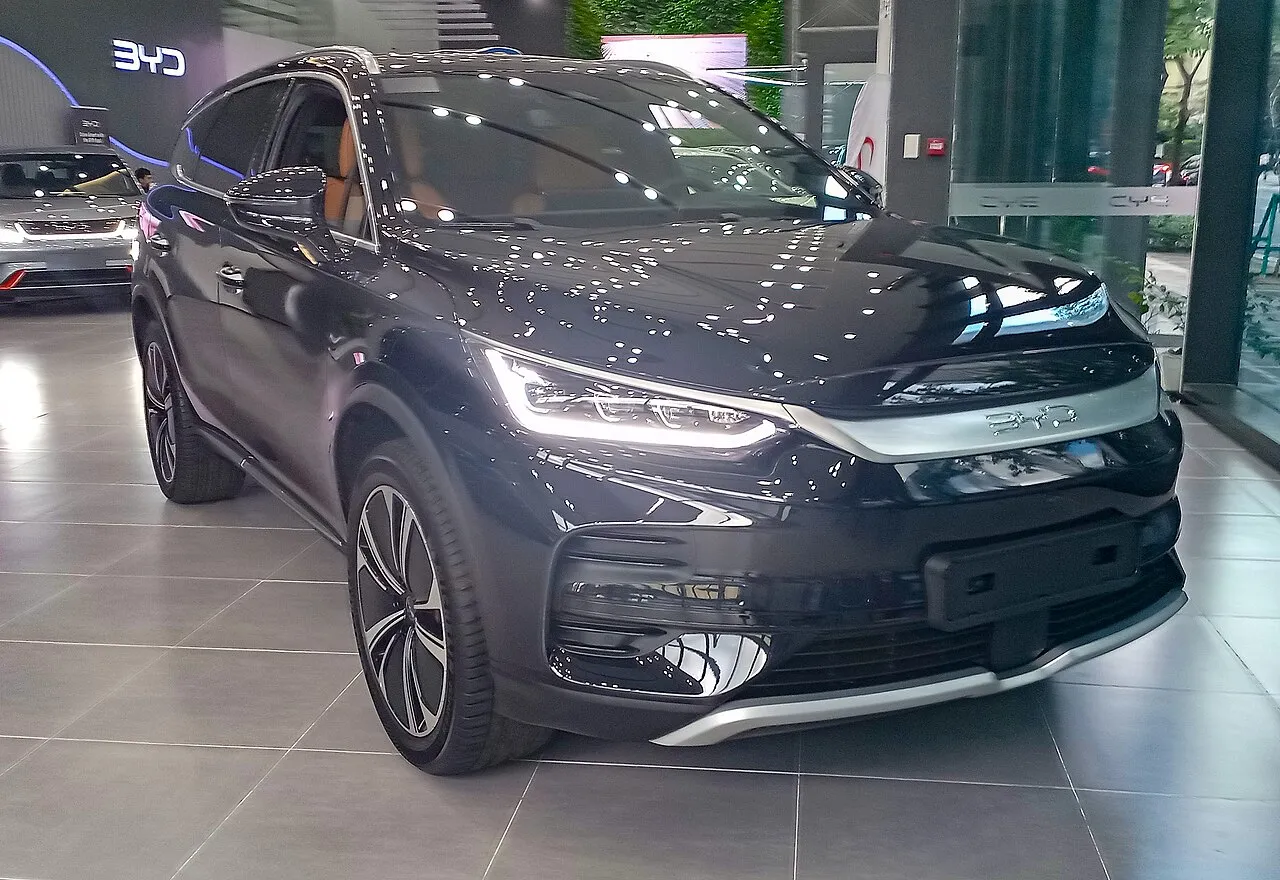
The short answer: BYD launched the third-generation Tang, a five-seat electric SUV in China starting at 187,900 yuan, about $28,000. Its rear-wheel-drive versions are rated for up to 528 miles under the CLTC test cycle; an optional all-wheel-drive package adds a second motor and steer-by-wire equipment.
BYD has launched the third-generation Tang, a five-seat electric SUV that starts at 187,900 yuan, about $28,000, in China. The model combines a lower starting price than its pre-sale price with large cabin displays, BYD’s second-generation Blade LFP batteries and a claimed charging time as short as five minutes from 10% to 80%. For buyers, those figures put a large, technology-focused SUV into a price range below $30,000 in its home market. The launch also expands BYD’s flagship SUV range with a model positioned below the larger, seven-seat Great Tang.
Electrek reported three Tang versions at launch: Premium, Laser Premium and Laser Flagship. Each comes standard with rear-wheel drive, while the top Laser Flagship can be ordered with an all-wheel-drive steer-by-wire package. The launch announcement and reported prices concern China; the source does not report a US launch or US pricing. The new Tang’s CLTC range figures are China-cycle ratings and should not be read as EPA estimates.
Prices and versions
The standard Premium starts at 187,900 yuan, or about $28,000, according to Electrek. That is below its reported pre-sale price of 225,000 yuan, about $34,000. The Laser Premium starts at 207,900 yuan, and the Laser Flagship starts at 219,900 yuan. Electrek said both higher trims also launched below their pre-sale prices, but did not give their pre-sale figures.
All three versions use one rear-mounted motor as standard, rated at 402 horsepower, or 300 kW. Buyers choosing the optional package for the Laser Flagship pay an additional 20,000 yuan, about $3,000, Electrek reported. That equipment changes the SUV to dual-motor all-wheel drive and includes steer-by-wire. BYD’s quoted power for this configuration is 690 horsepower, or 515 kW.
Electrek described the package as adding a digital chassis, reclining driver’s seats, intelligent electric all-wheel drive and a 35.4-inch integrated Star Ring display. The report does not give a separate price for any of those items, so the reported 20,000-yuan charge applies to the package as a whole. The package is an option for the Laser Flagship; Electrek did not describe it as available on the standard Premium or Laser Premium.
Range and charging claims
BYD’s reported range figures depend on the version and are measured under China’s CLTC test cycle. The rear-wheel-drive Premium is rated for 453 miles, or 730 kilometers, while the rear-wheel-drive Laser Premium and Laser Flagship are each rated for 528 miles, or 850 kilometers. The optional all-wheel-drive version is rated for up to 478 miles, or 770 kilometers, under CLTC. These figures are not EPA ratings, and the CLTC results should not be compared directly with a US EPA range rating.
Electrek reported that every version uses BYD’s second-generation Blade lithium iron phosphate (LFP) batteries and Flash Charging technology. BYD says the Tang can charge from 10% to 80% in five minutes, or from 10% to 97% in nine minutes. Those are the charging times reported for the vehicle; the source does not provide a charging-power figure or further details about the conditions behind the times.
Fast charging is central to the new model’s pitch, alongside its long CLTC ratings and relatively low Chinese starting price. Still, the charging claim is a manufacturer figure relayed by Electrek, and the source does not give a US charging test or say whether the same performance would be available outside China. Buyers comparing it with vehicles rated under another test cycle would need to keep those standards separate.
A five-seat flagship with large displays
The third-generation Tang has five seats, while BYD’s larger Great Tang has seven, according to Electrek. BYD says the five-seat cabin layout makes more room for passengers. The company also claims the SUV has a 205-liter front trunk, which it describes as the largest in its class, and 1,000 millimeters of rear legroom. Those are BYD’s claims as reported by Electrek.
The cabin’s two headline screens are a 35.4-inch integrated Star Ring display and a 30-inch panoramic theater screen. The 35.4-inch display is also part of the optional all-wheel-drive steer-by-wire package as described by Electrek. The report does not specify how the display equipment differs among the three versions, beyond identifying the two screens as features of the new Tang and the integrated display as part of the optional package.
The SUV also includes BYD’s God’s Eye B driver-assistance system, which uses roof-mounted lidar and DiPilot300, and a Disus-A dual-chamber intelligent air suspension system. Electrek said the driver-assistance system supports city navigation assist, high-speed navigation assist and all-scenario parking assist. These are the reported system capabilities; the source does not describe their availability by trim or provide an independent assessment of how they perform.
Electrek also reported a high-speed tire-blowout stability system that BYD says can help keep the vehicle stable and in its lane at speeds up to 112 mph, or 180 km/h. That is a stated capability, not a reported test result. The source gives no further detail on the system’s operating conditions.
How it fits in BYD’s SUV range
BYD positions the third-generation Tang below the Great Tang, its larger seven-seat flagship SUV in the Dynasty lineup, according to Electrek. The new model is itself described as a five-seat flagship, giving BYD two differently sized flagship SUVs in the range. Its reported dimensions are 5,045 millimeters long, 1,980 millimeters wide and 1,760 millimeters tall, with a 2,950-millimeter wheelbase.
Electrek compared the Tang’s size with the Tesla Model X and BMW iX. For reference, the published US-market 2026 Tesla Model X is rated for 352 miles under the EPA test standard, while the Model X Plaid is rated for 335 miles under EPA. Those US ratings use a different market and test standard from the Tang’s China-market CLTC figures, so they do not establish a like-for-like range comparison. The comparison here is about the size class cited by Electrek, not equivalent range performance.
The background figures for the BYD Tang also include a 2025 European-market version rated for 530 kilometers under WLTP. That is a different model year and market from the newly launched China-market third-generation Tang, and WLTP is a different test cycle from CLTC. It should not be treated as the new model’s rating or as a direct comparison with its CLTC claims.
What happens next
The launch gives BYD a new five-seat option alongside the Great Tang, but Electrek’s report does not give a delivery schedule or say whether the third-generation Tang will be sold outside China. It also does not report the number of orders received for the new model. As a result, the launch establishes its Chinese prices, versions and claimed features, while demand and any expansion to other markets remain unreported.
Electrek cited the Great Tang’s earlier sales as a point of context: it reportedly had more than 150,000 preorders by its mid-June launch and then sold more than 10,000 units a month for four consecutive months. Those figures concern the larger SUV, not the new Tang. They show the scale of reported interest in BYD’s other flagship SUV, but do not predict how the five-seat model will sell.
For now, the third-generation Tang’s appeal rests on a specific combination in China: a starting price below 200,000 yuan, standard rear-wheel drive, CLTC range ratings of up to 528 miles for the rear-wheel-drive Laser trims, and an optional dual-motor configuration. Its two large displays, lidar-based driver-assistance equipment, air suspension and rapid-charging claims add to the feature list. The next useful milestones will be any reported deliveries, sales figures or announcements about availability beyond China.
Frequently asked questions
How much does the third-generation BYD Tang cost?
In China, the Premium starts at 187,900 yuan, about $28,000. The Laser Premium starts at 207,900 yuan and the Laser Flagship at 219,900 yuan, according to Electrek.
What range does the new Tang have?
Its rear-wheel-drive Premium is rated for 453 miles under CLTC. The rear-wheel-drive Laser Premium and Laser Flagship are rated for 528 miles, and the optional all-wheel-drive version for up to 478 miles. These are China-cycle ratings, not EPA estimates.
How quickly can the Tang charge?
BYD says Flash Charging takes the battery from 10% to 80% in five minutes, or from 10% to 97% in nine minutes. Electrek reported those figures for all versions.
Does the new Tang have all-wheel drive?
Rear-wheel drive is standard on all versions. The Laser Flagship can be ordered with an optional dual-motor all-wheel-drive steer-by-wire package for an additional 20,000 yuan, about $3,000.
Related stories

Chevrolet Blazer EV SS Earns Its Place in SS History
Car and Driver says the 615-hp Blazer EV SS is worthy of Chevrolet’s Super Sport badge, pairing quick acceleration with upgraded brakes and tires.

Nio Launches ES8 Mirror Black Edition 2.0 in China
Nio’s ES8 Mirror Black Edition 2.0 adds black-and-gold trim and starts at 434,800 yuan in China, while retaining the standard ES8’s core hardware.
Zeekr 8X Electric SUV Emerges in China Filing
A Chinese regulatory filing points to a battery-electric Zeekr 8X with dual-motor all-wheel drive, while its range, price and Australian plans remain unknown.